Kelli Beauty
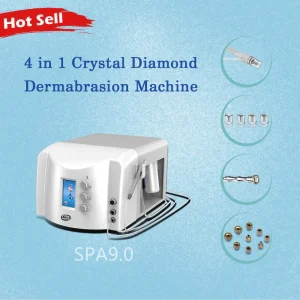
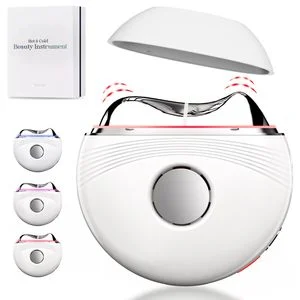
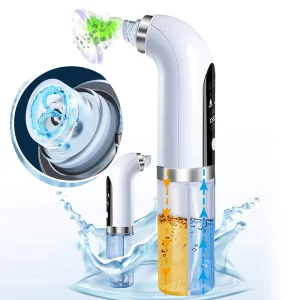
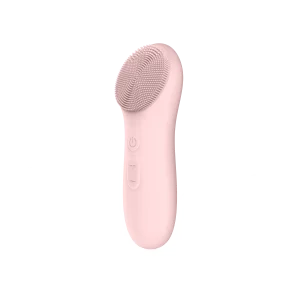
Strategic Guide to Facial Oil Diffusers & Professional Skin Vaporization Systems
1. The Evolution of Skincare Diffusion Technologies
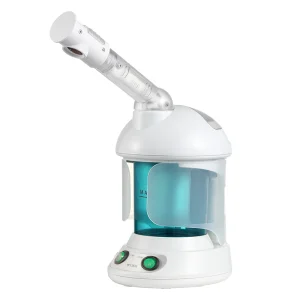
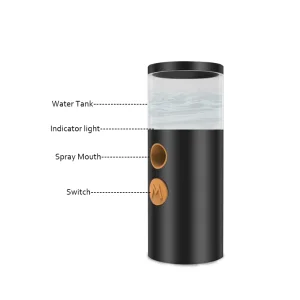
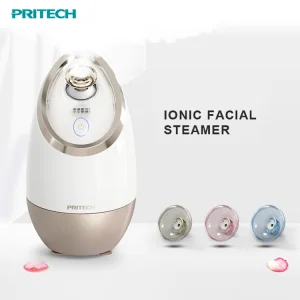
In the highly competitive medical aesthetics and personal care industry, the delivery mechanism of skincare active ingredients defines treatment efficacy. Traditional spray devices lack the structural ability to bypass the skin's lipid barrier due to large droplet diameter sizes. Current innovations in Facial Diffusers and Nano-Ionic Steamers bridge this gap by applying ultrasonic oscillation and high-frequency vaporization technologies.
By breaking down water and oil mixtures into ultra-fine nano-scale particles (often below 5 micrometers), these devices optimize moisture absorption and facilitate the uniform delivery of thermal energy. As professional aesthetics factories, we leverage these scientific principles to engineer equipment that maintains chemical stability while operating at optimal vapor temperatures.
2. Unrivaled Structural Advantages of China-Based Aesthetics Manufacturing
Procuring advanced aesthetics hardware from Chinese hubs like Foshan offers unparalleled supply chain advantages:
- Integrated Micro-Electronics Ecosystem: Immediate access to advanced PCB boards, touch-screen controllers, LED drivers, and sensor chips allows quick scaling from prototyping to mass production.
- Meticulous Material Sourcing: Utilization of medical-grade biocompatible silicones, thermal-shock resistant borosilicate components, and food-grade ABS resins ensures consumer safety and product durability.
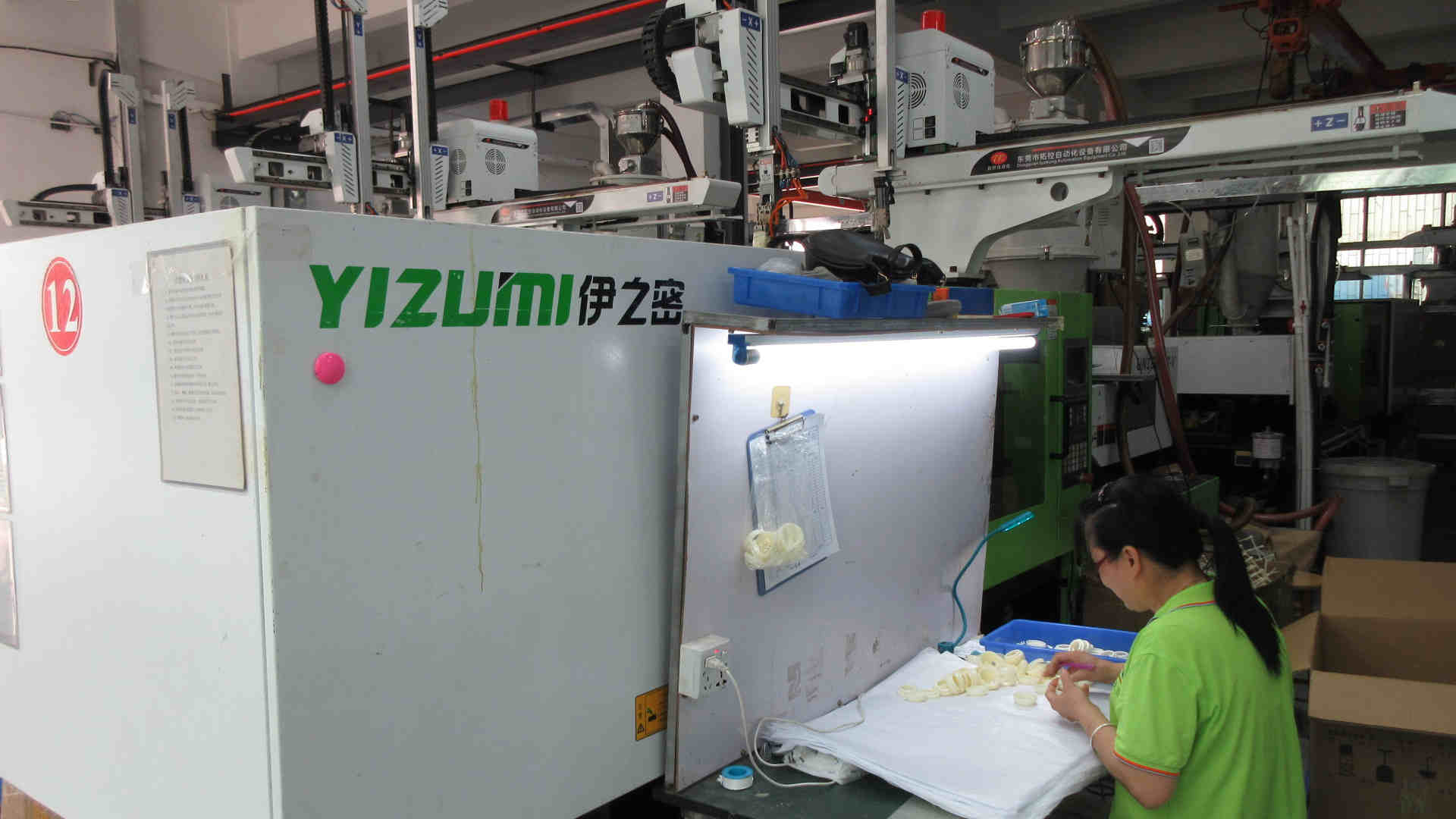
- Precision Tooling & Mold Development: In-house injection molding processes reduce design variance, allowing the development of ergonomic form factors and sleek aesthetics that command high retail value.
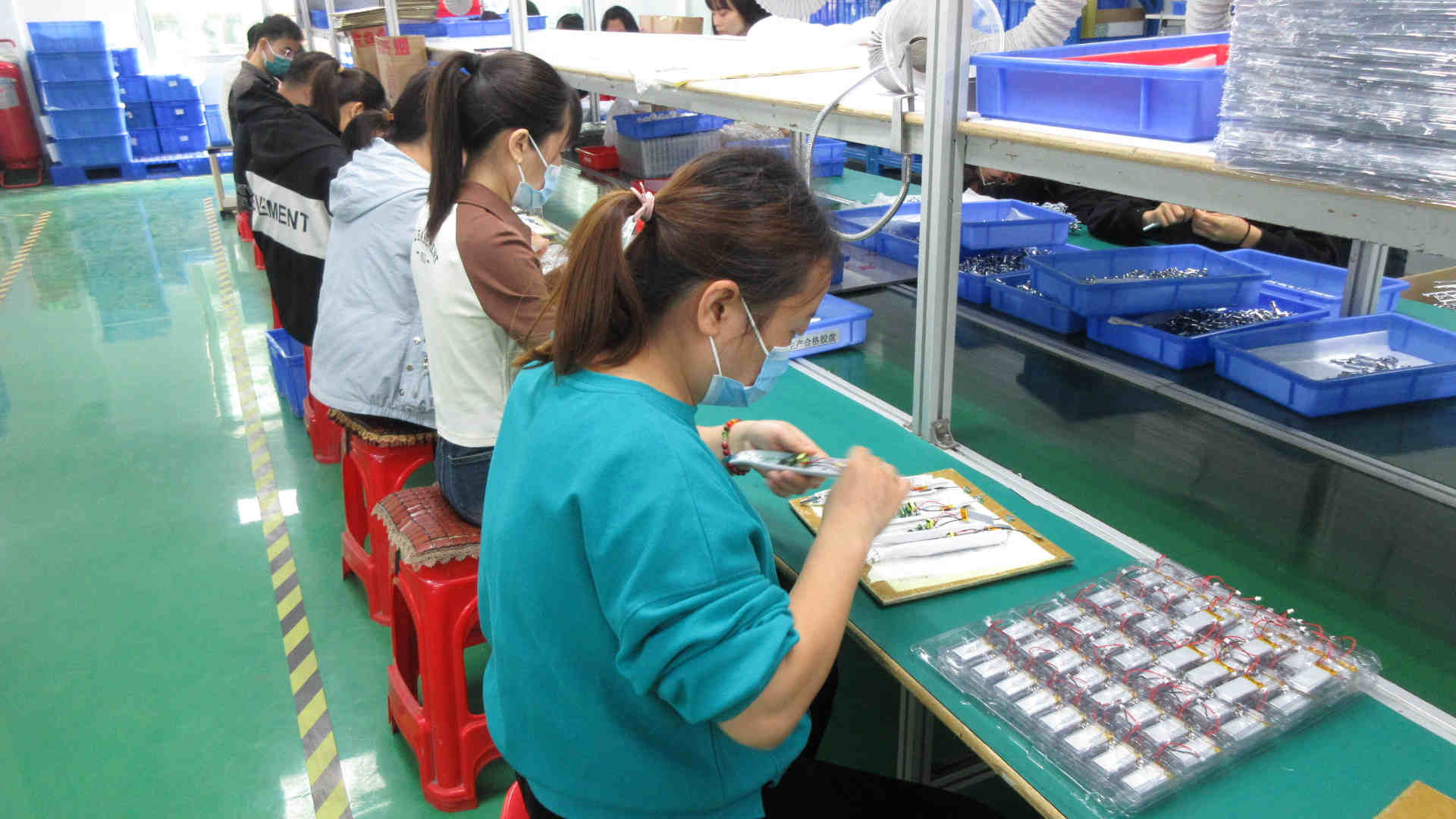
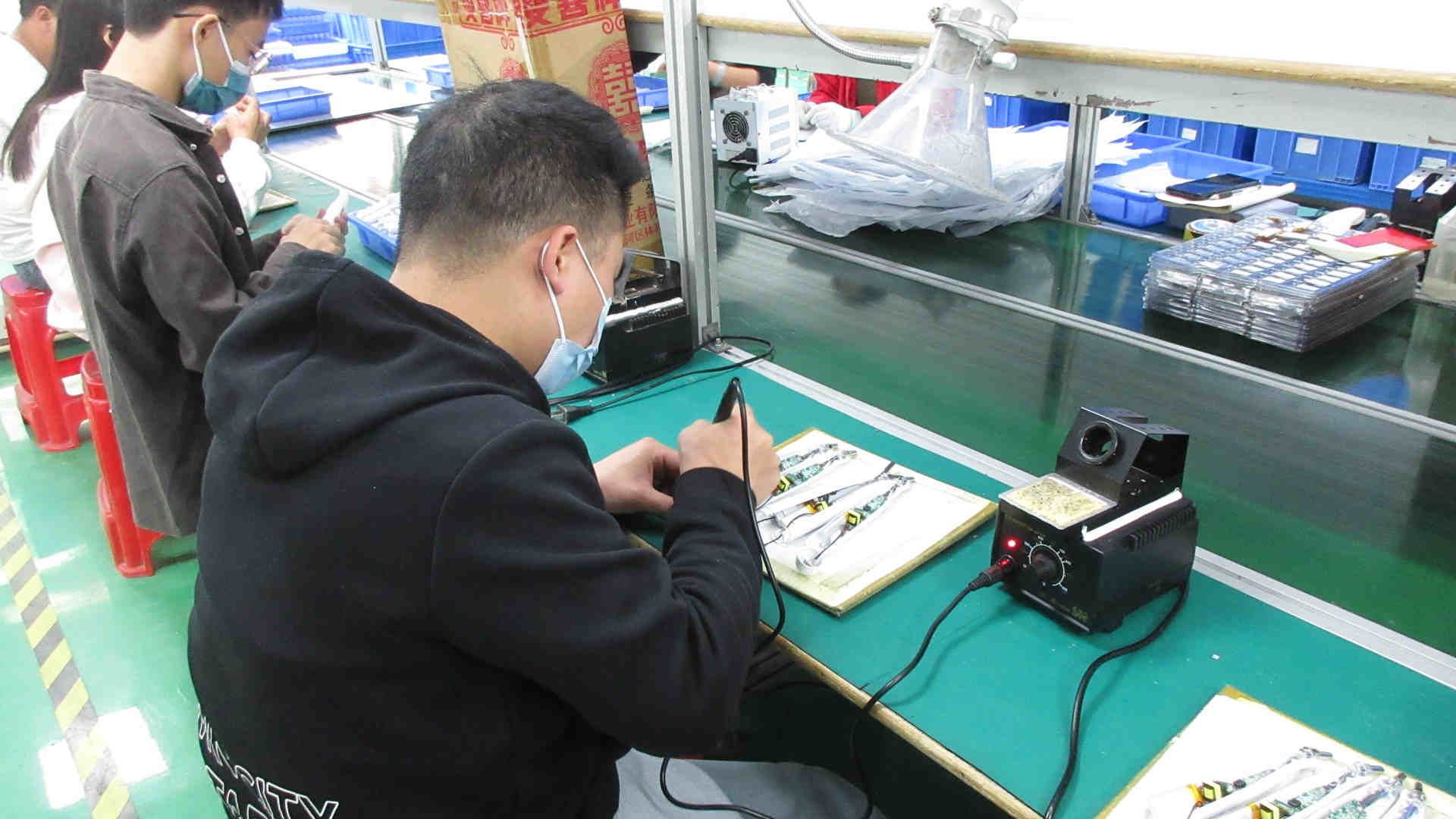
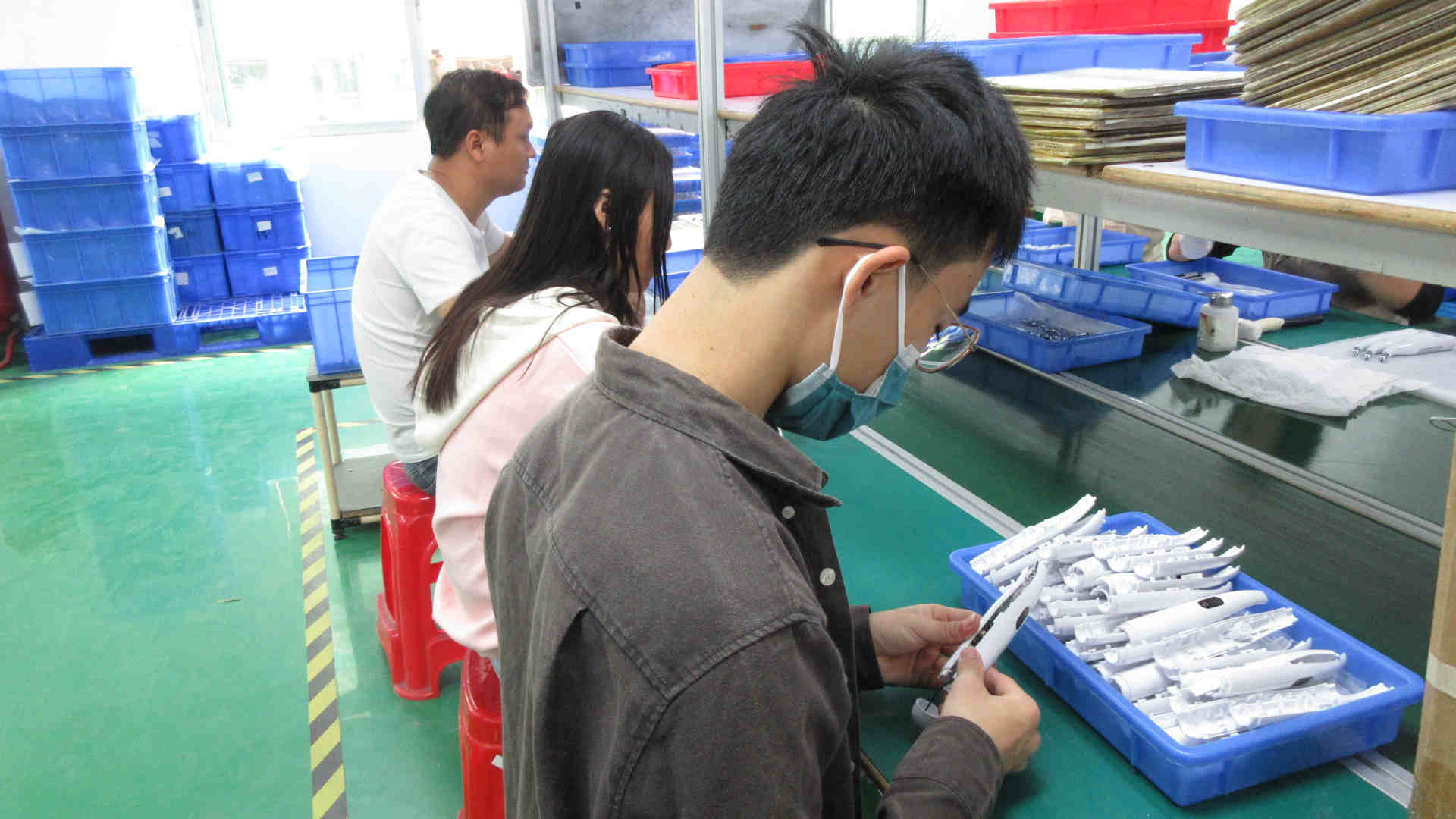
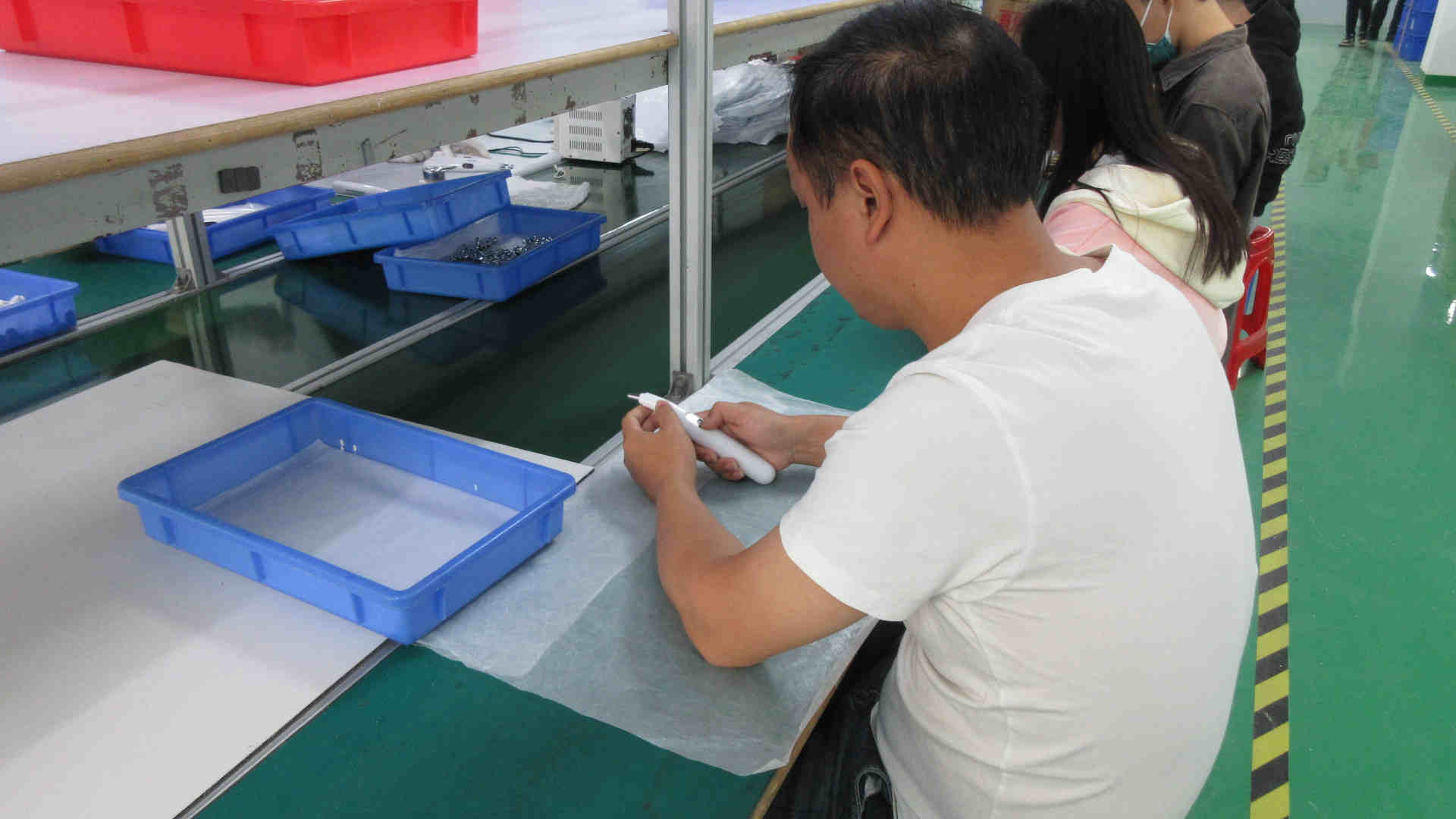
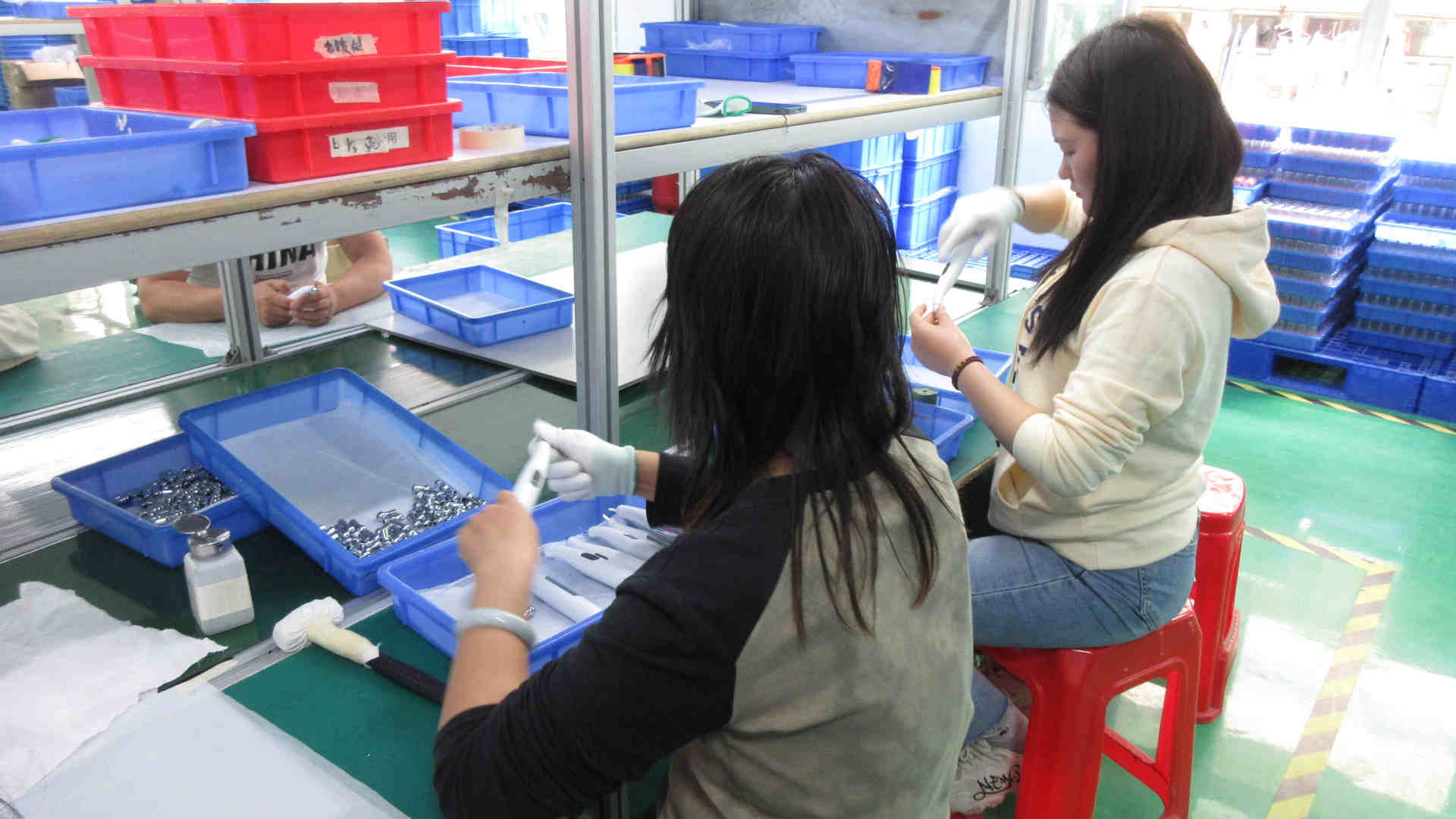
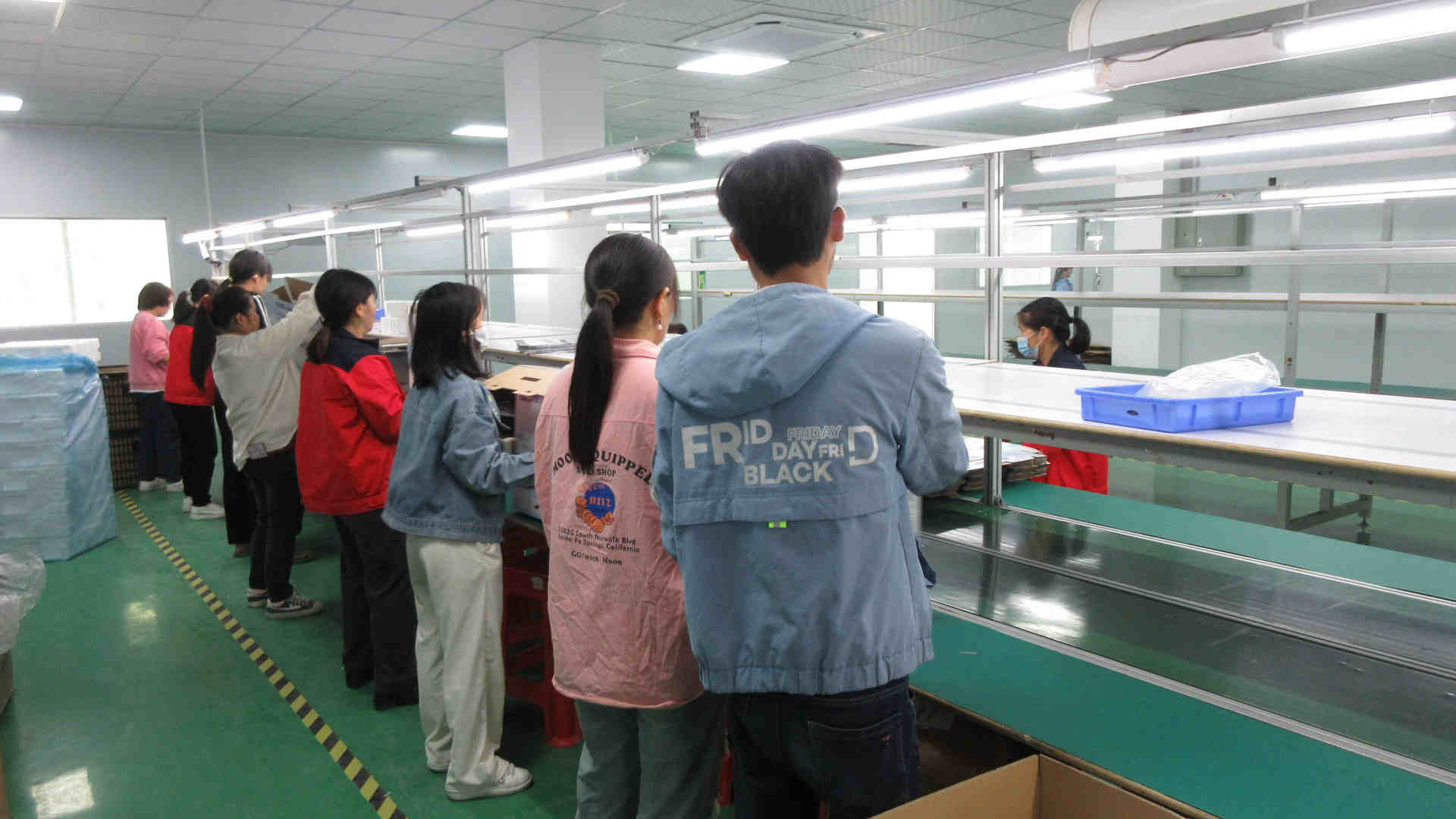
- Dynamic Scalability: Modern assembly lines with specialized welding and quality-assurance systems allow factories to run large-scale batches with low structural failure rates.
3. Global Corporate Purchasing Requirements & Product Safety Standards
For B2B buyers, distributors, and spa franchises, product safety is non-negotiable. Sourcing high-end machinery requires checking certifications like CE-EMC, CE-LVD, RoHS, FCC, and FDA registrations. Additionally, factories must show structured quality control over raw materials and electrical circuitry.
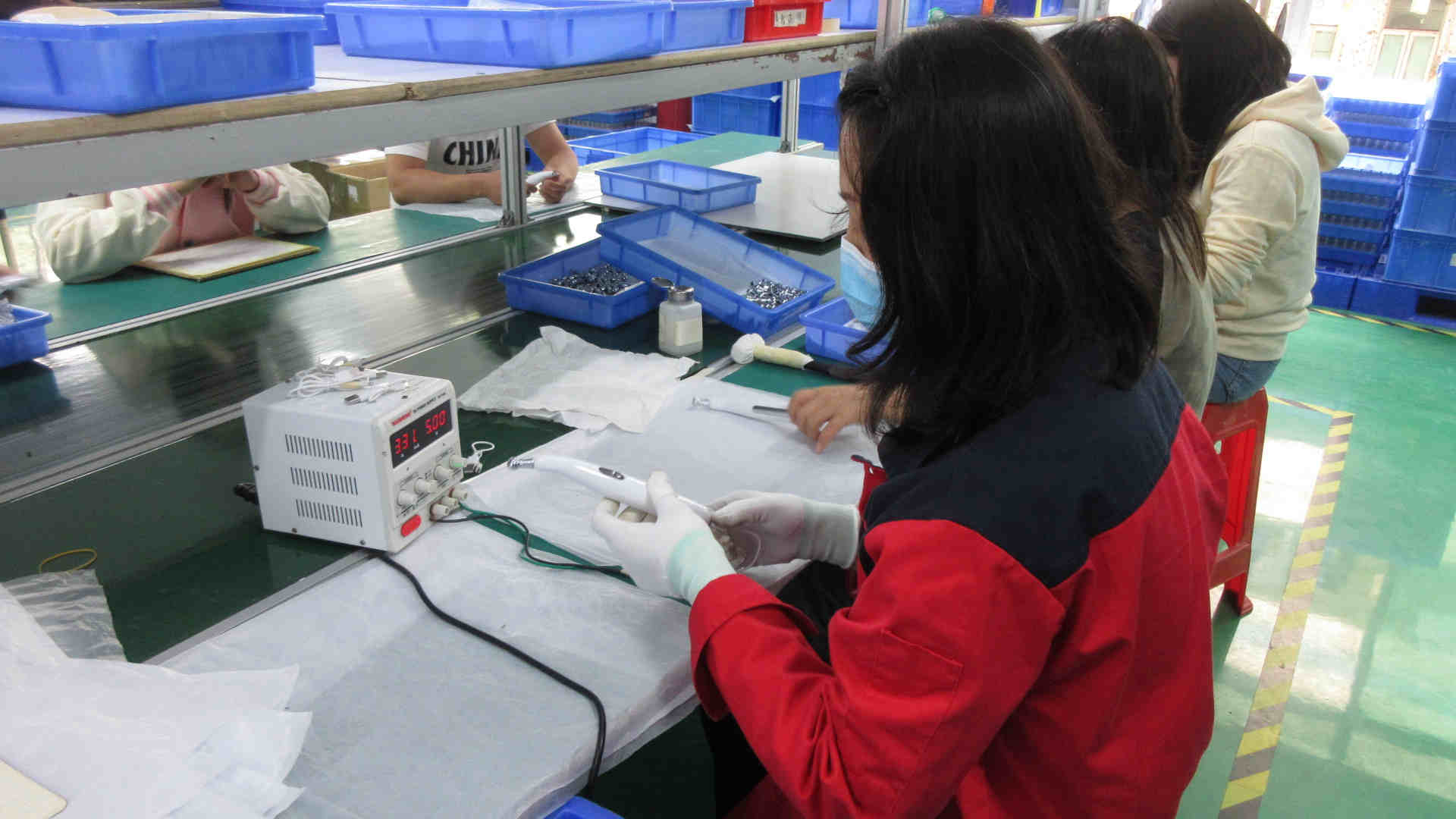
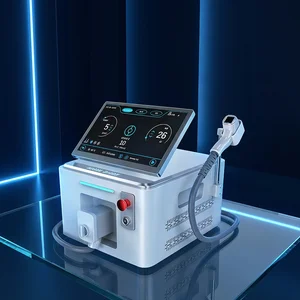
Our manufacturing model implements rigid verification tests at multiple steps, ensuring that high-voltage assemblies (like HIFU systems or Diode Lasering hardware) operate inside safe parameters without compromising performance. Multi-stage inspection workflows—ranging from initial raw material tests to functional circuit tests and product drop tests—guarantee zero-defect shipments.