Discover our highly rated facial tools engineered for medical-grade performance, deep cleansing, and anti-aging enhancement.
An authoritative analysis of materials science, manufacturing dynamics, global demand, and the future of home-use cosmetic equipment.
Over the last decade, the global beauty and personal care market has shifted from passive skin application to active home aesthetic interventions. Modern consumers demand high efficiency, skin safety, and dermatological grade performance at home. In this context, silicone-based facial massagers and sonic cleansers have become central. By replacing nylon bristles with hypoallergenic, non-porous, medical-grade silicone, these devices prevent bacterial buildup, protect the epidermal barrier from micro-tears, and improve product absorption.
The global beauty device market is growing fast, with forecasts projecting a value of over $189.6 Billion by 2030, expanding at a CAGR of 12.4%. Factors driving this include growing consumer awareness of anti-aging methods, the rise of home spa regimens, and technological progress like microcurrents, LED photon therapy, and thermal compresses integrated directly into soft-touch silicone bodies.
From an engineering and bio-compatibility perspective, the choice of raw materials determines the safety and long-term durability of the device. High-end silicone face massagers utilize Platinum-Cured Silicone, which does not release toxic by-products over time. Key differences include:
Bio-Compatibility & Toxicity: Commodity plastics often contain plasticizers (like phthalates) which can disrupt endocrine functions. Platinum-cured silicone is chemically inert, hypoallergenic, and free from volatile organic compounds (VOCs).
Physical Resilience: Standard TPE or TPU degrades when exposed to lipids in skincare products (sebum, facial oils, moisturizers). Medical-grade silicone maintains its structural integrity, tensile strength, and soft texture under constant exposure to dynamic shear forces and cosmetic formulations.
Hygiene and Sanitation: Due to its non-porous surface structure, medical silicone dries rapidly, preventing mold, mildew, and bacterial colonization, which are common causes of skin infections and breakouts.
The modern B2B buyer is no longer sourcing simple vibrating brushes. Success in the global retail space requires multi-functional platforms. Today's silicone face massagers integrate:
Transdermal Sonic Pulsations (T-Sonic): High-frequency sound waves (ranging from 8,000 to 12,000 pulsations per minute) are channeled through soft silicone touchpoints. These pulsations travel deep into the pores, dislodging dirt, makeup residue, and 99.5% of skin impurities without compromising the skin's moisture barrier.
Microcurrent Technology (EMS): Microcurrents stimulate facial muscles, encouraging ATP production, boosting collagen synthesis, and firming sagging skin.
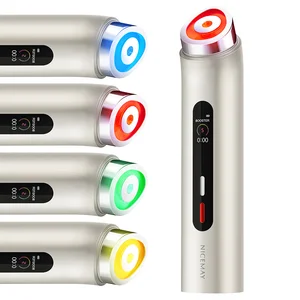
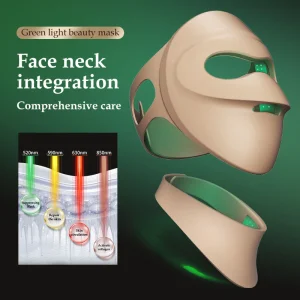
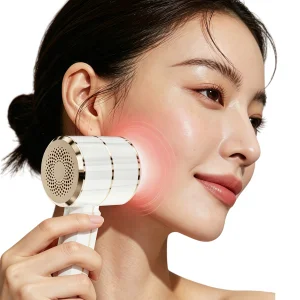
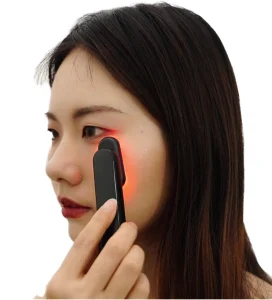
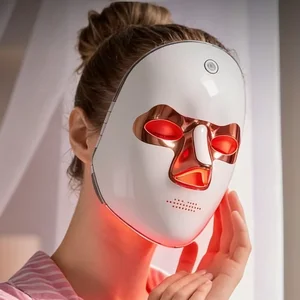
Photodynamic LED Therapy: Red light (630nm) reaches the dermis to boost collagen production, while blue light (415nm) targets acne-causing bacteria.
Founded in 2019, we are a professional manufacturer specializing in the development, production, and global supply of beauty devices and personal care equipment.
Modern production facility operating with experienced engineers, advanced equipment, and a strict quality control system to ensure reliable product performance.
From custom colorways and logo printing to private label solutions and custom silicone molds, we help brands scale with customized solutions.
Our products are exported to Europe, North America, South America, Southeast Asia, and the Middle East, serving top-tier distributors and retailers.
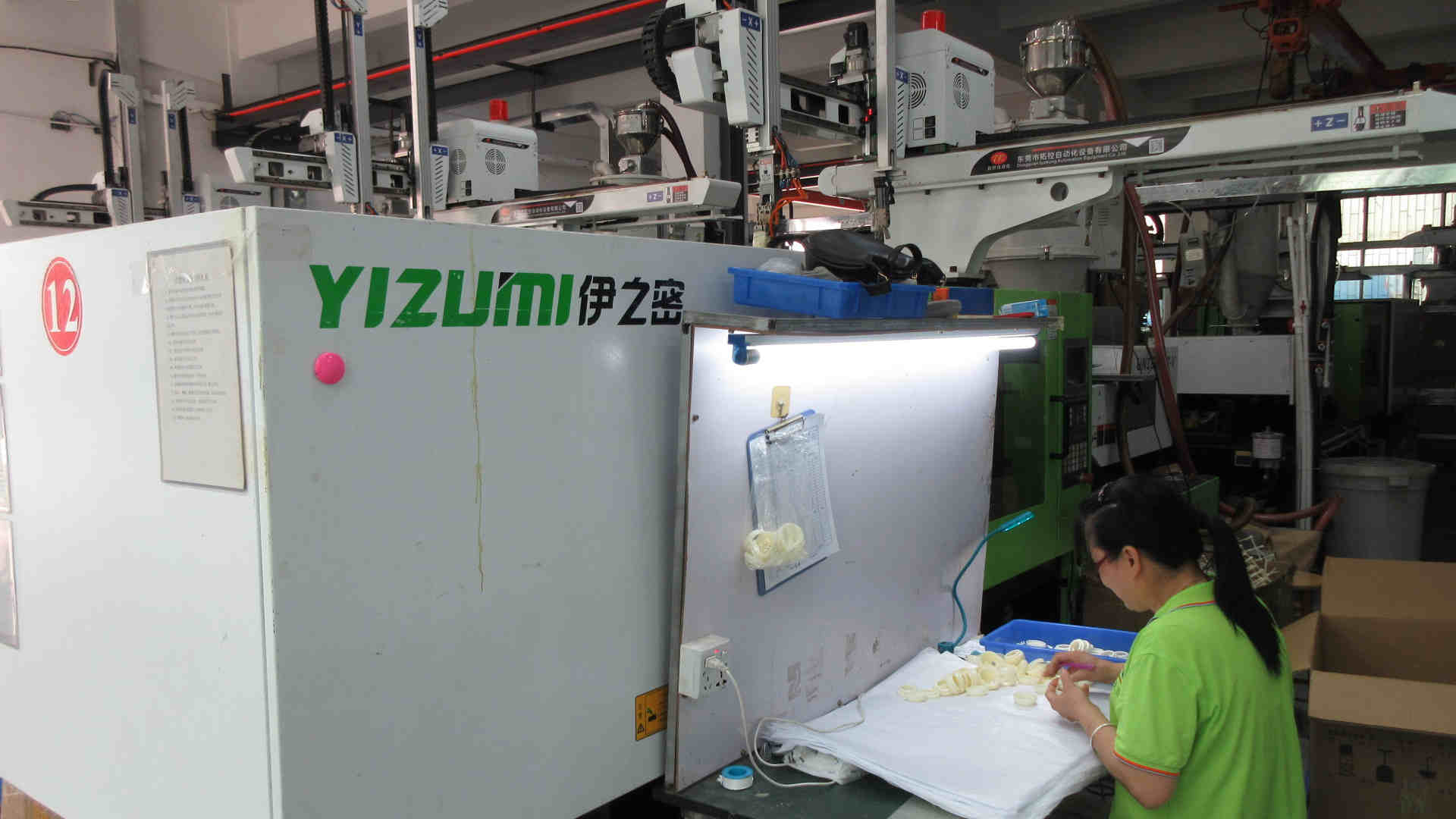

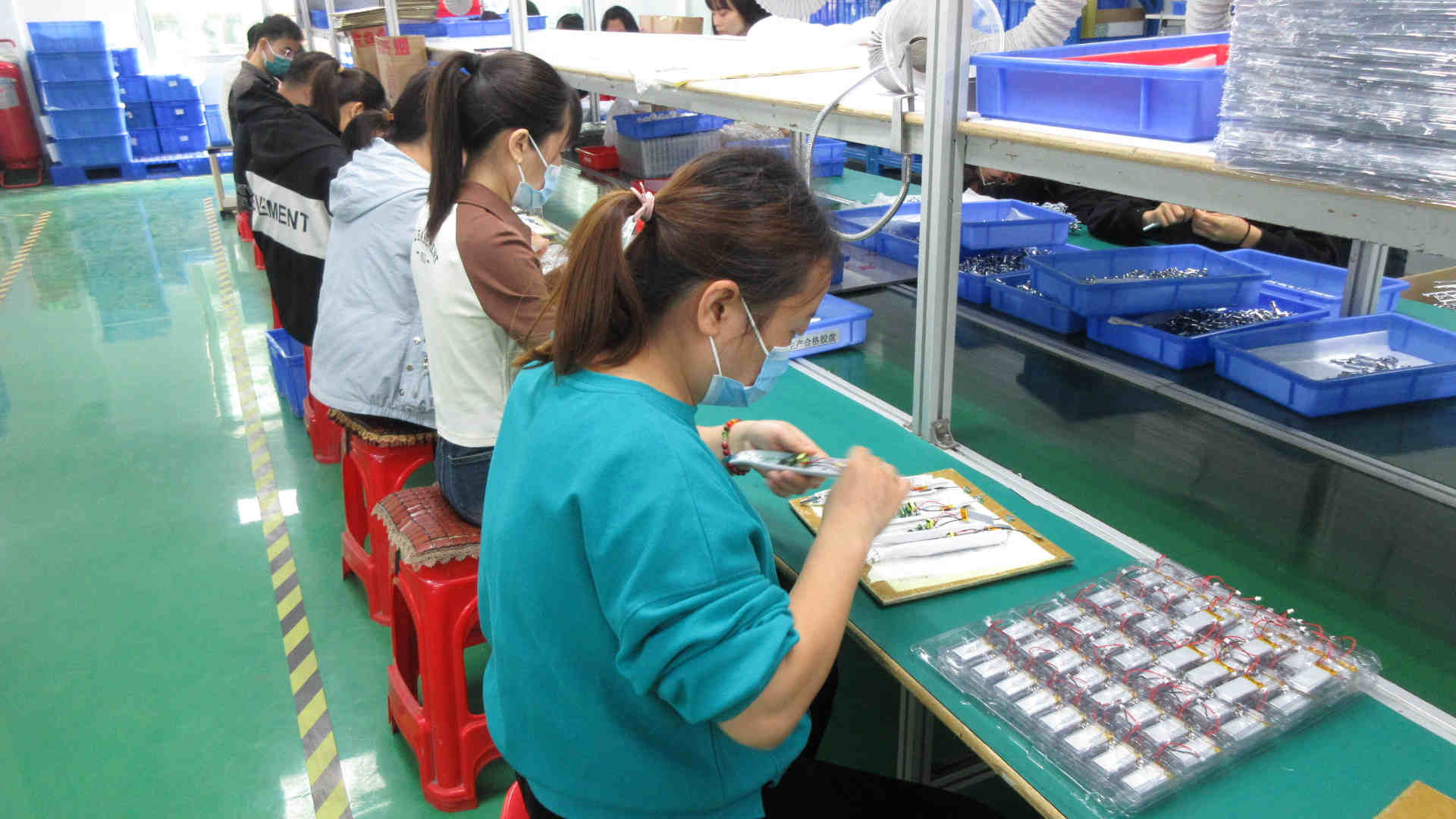

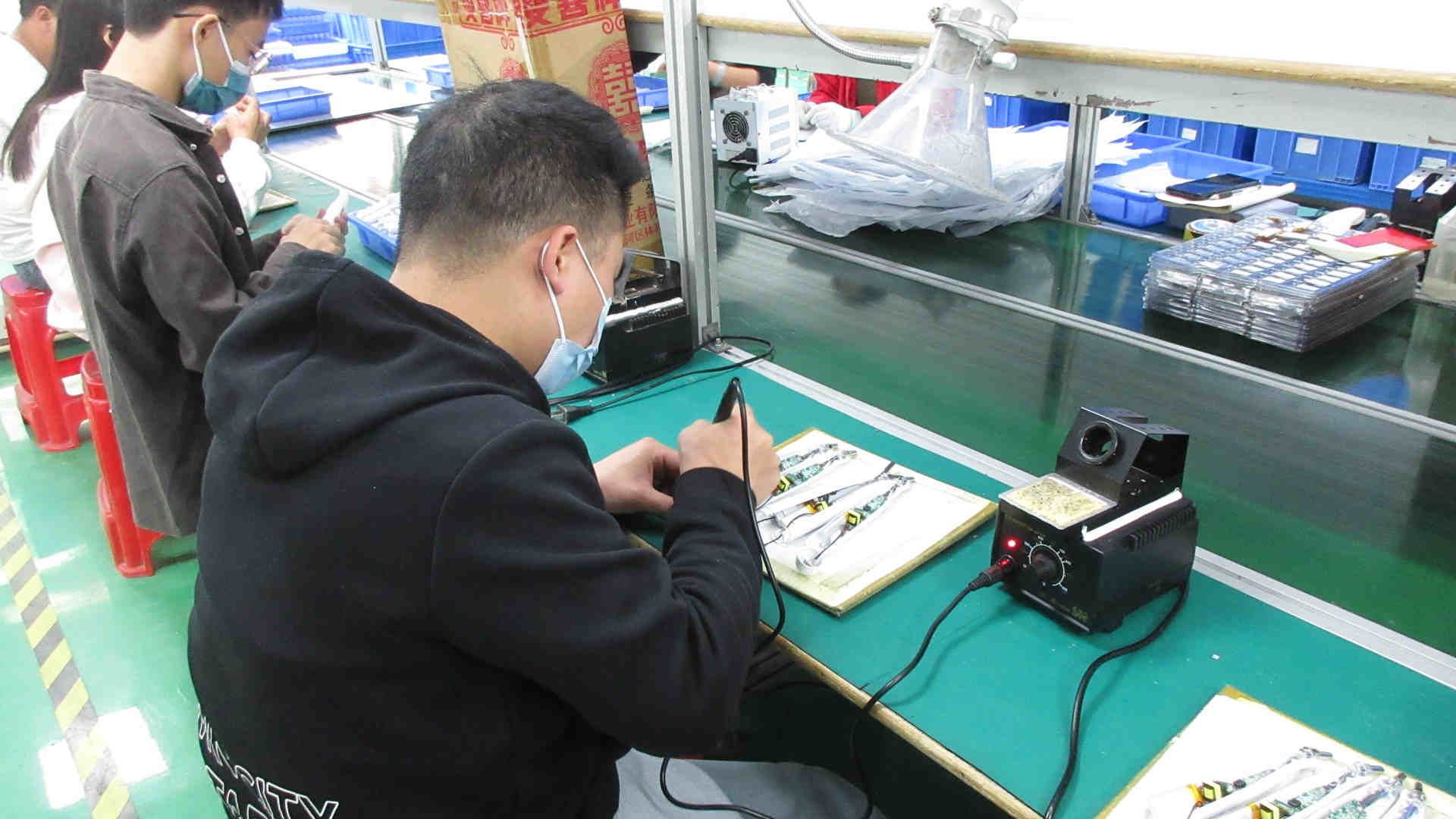
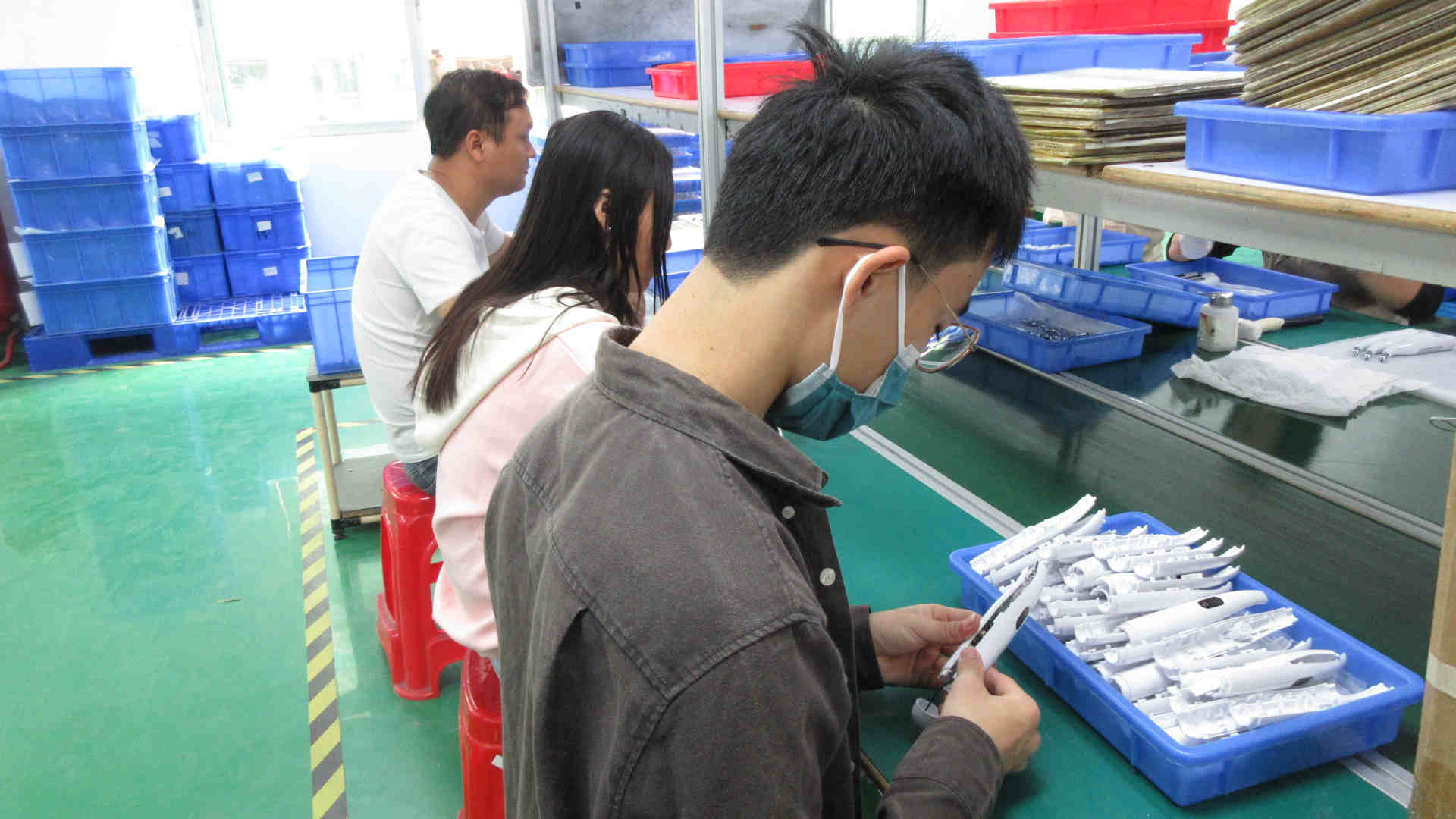
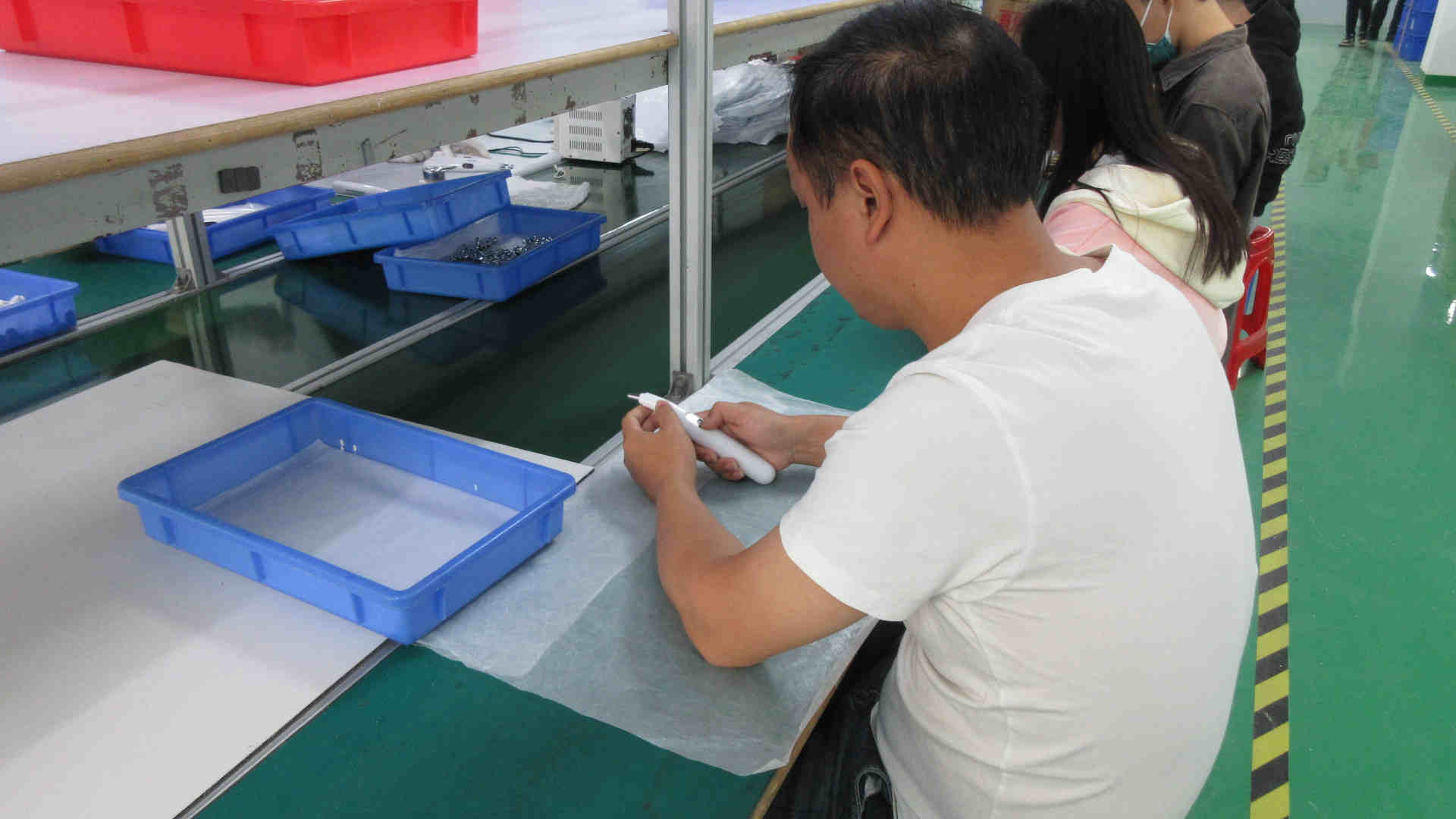
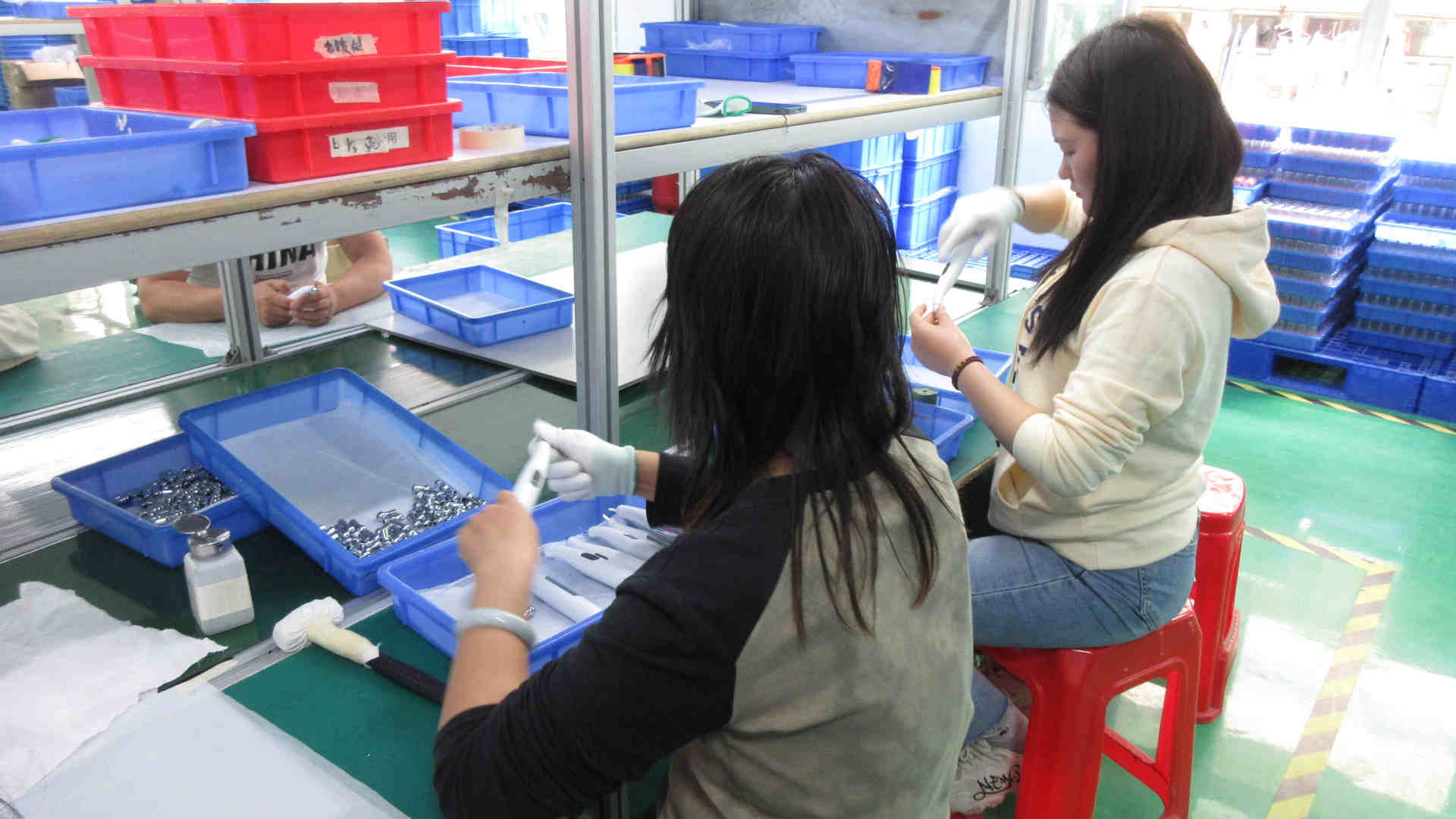
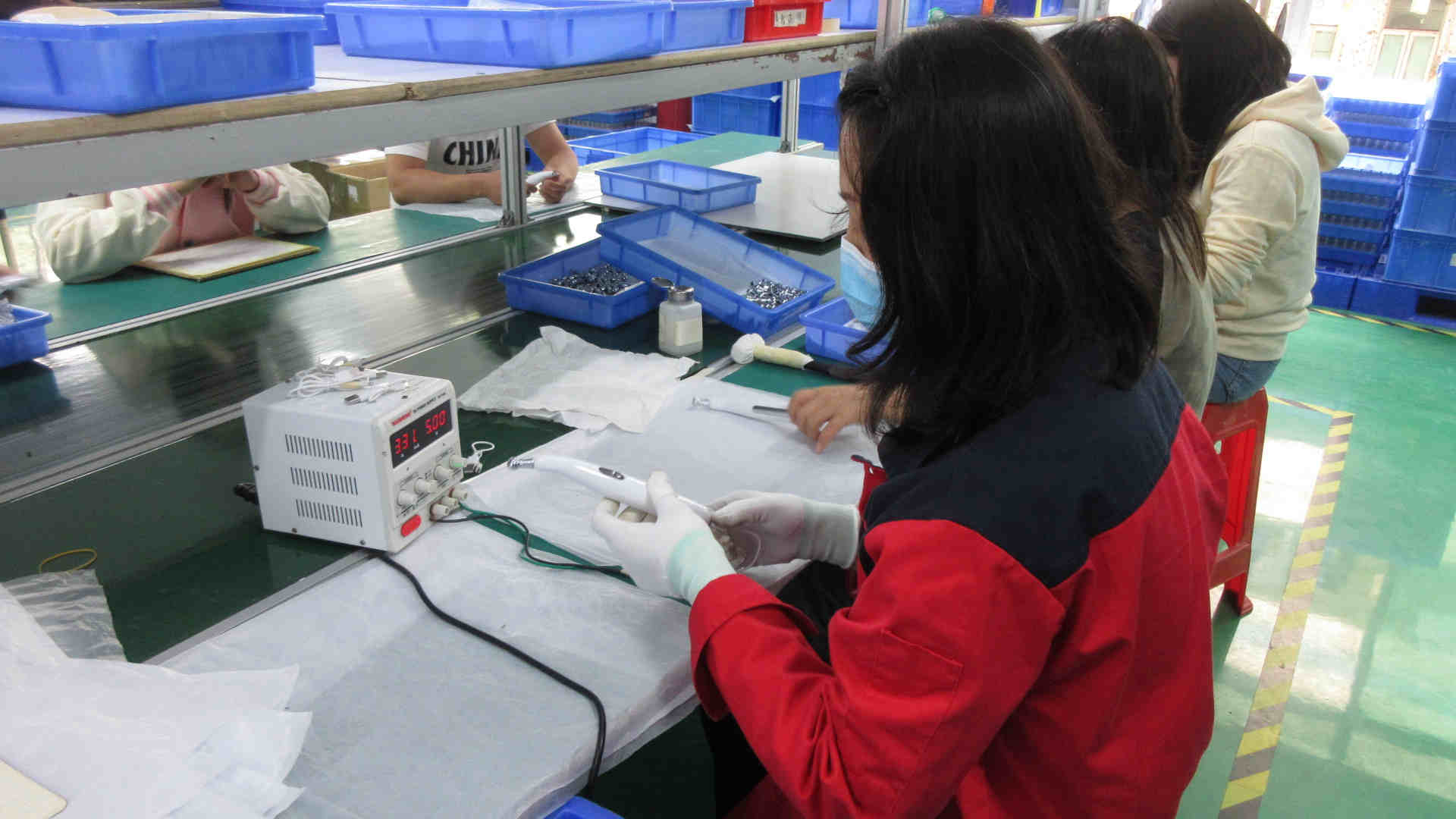
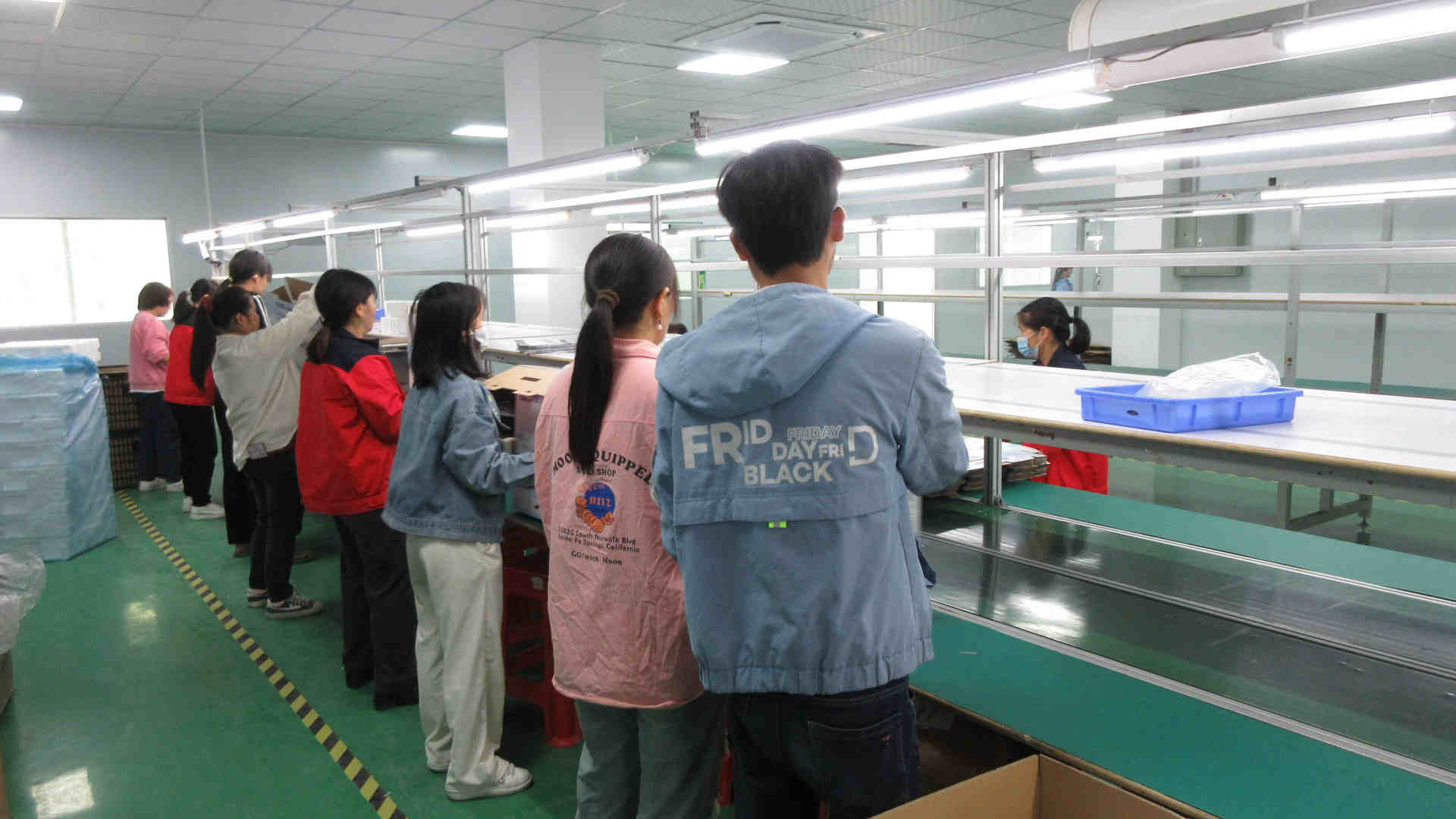

When selecting a silicone face massager supplier in China, purchasing directors must look beyond price points. Reviewing factory operations requires assessing multiple metrics to ensure reliable supply chain performance:
Motor Calibration & Balancing: Low-grade facial brushes often use off-center motors that produce excessive noise and vibration, which can lead to hand fatigue and uneven skin contact. High-quality devices utilize balanced eccentric motors that target vibrations specifically through the silicone bristles to the skin.
Battery Cycle Life and Safety: The wet bathroom environment requires high-performance, hermetically sealed batteries. Devices must feature integrated protection circuits (OVP/OCP) and use batteries certified under UN38.3 standards to prevent thermal runaway.
Waterproofing Integrity (IPX7 & Above): Because these devices are frequently used under running water or in the shower, sealing is critical. Factories must perform automated vacuum leak tests on the assembly line to prevent moisture ingress and premature electrical failure.
As skincare technology evolves, silicone face massagers are integrating smart tech, changing how consumers care for their skin:
Bio-Feedback and Smart App Integration: Future devices will use skin conductance sensors to measure hydration levels, dynamically adjusting sonic frequencies and treatment durations based on the user's skin profile.
Sustainable and Bio-Based Silicones: To reduce reliance on fossil resources, research teams are developing plant-based silicone polymers that maintain the bio-compatibility of traditional medical-grade silicone while reducing the manufacturing carbon footprint.
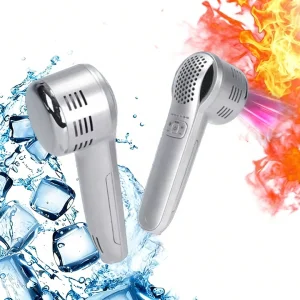
Thermal Contrast Therapy: Modern designs feature rapid-heating and rapid-cooling elements. The warm setting dilates pores to improve product absorption, while the cold compress reduces puffiness and firms the skin.
Essential answers for global distributors, sourcing managers, and brand developers.
FDA certification requires passing basic extractable testing, which is suitable for the US market. German LFGB compliance requires stricter testing, ensuring the silicone does not transfer organic compounds to the skin. We offer both raw material certifications based on your target market requirements.
For custom shell shapes or bristle patterns, CAD designing and 3D printing of prototypes takes 7-10 business days. Steel tooling fabrication and pilot run adjustments are generally completed within 30 to 45 days, followed by mass production.
Every massager undergoes a non-destructive pressure drop air-leakage test during the assembly stage. This ensures seals, charging ports, and button interfaces meet waterproof standards before the final packaging phase.
Yes, we can adjust the silicone formulation to achieve different hardness levels, typically ranging from 30 Shore A (ultra-soft for sensitive skin) to 50 Shore A (firmer for deep cleaning and exfoliation).
Our beauty devices are certified to meet international regulatory standards, holding CE, FCC, RoHS, and MSDS/UN38.3 battery safety certifications for global markets.
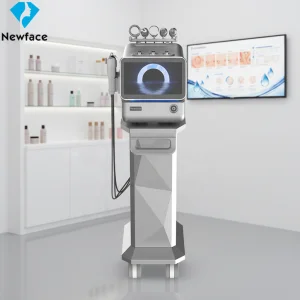
Explore our full line of non-invasive facial sculpting, lifting, and rejuvenation equipment designed for retail and professional sectors.
 Kelli Beauty