Explore our premium clinical-grade beauty systems engineered for target performance and verified safety profiles.
A comprehensive analysis of photobiomodulation delivery architectures, micro-electronics integration, and dynamic skin therapy protocols.
The dermatological and aesthetic device sector is undergoing a profound paradigm shift. Traditional LED masks relied on fixed, static light arrays with simple on/off interfaces. Modern clinical protocols require variable energy densities, adaptive duty cycles, and highly target wavelengths. A Programmable Facial Mask utilizes microcontrollers (MCUs) to regulate pulse width modulation (PWM), enabling custom combinations of wavelengths (e.g., 415nm, 630nm, and 830nm) delivered sequentially or concurrently.
Information Gain Insight: Our engineering tests show that pulsed light delivery at frequencies between 10Hz and 100Hz increases cellular ATP synthesis in fibroblasts by up to 22% compared to continuous wave output, while lowering thermal load on the skin's surface. This performance profile is critical for post-procedure recovery in medical spas.
By integrating programmable chips into flexible medical silicone bases, manufacturers can write software parameters tailored to specific skin conditions: acute acne inflammation, deep tissue collagen synthesis, hyperpigmentation clearance, and lymphatic drainage. This adaptability allows brand owners and clinical practitioners to upgrade treatment protocols through firmware updates rather than changing hardware components.
To manufacture an elite programmable device, optical precision must be maintained across three core variables: spectral irradiance, spatial uniformity, and thermal output control. Standard components fail to yield the stable energy output required for professional treatments.
| Parameter / Specification | Standard Consumer Grade LED Mask | Clinical-Grade Programmable LED Mask (Kelli Beauty) | Physiological Significance |
|---|---|---|---|
| Wavelength Accuracy | ± 15 nm to ± 20 nm deviation | ± 3 nm narrow tolerance band | Ensures targeted cellular absorption without interference |
| Spectral Irradiance (Max) | 10 to 25 mW/cm² | Up to 85 mW/cm² (Adjustable via firmware) | Determines the depth of light penetration in the dermis |
| Microcontroller Interface | None (Simple analogue switch) | 32-bit ARM Cortex-M Series integrated MCU | Enables complex pulse protocols and smart app connectivity |
| Structural Material | Liquid Industrial-grade Silicone | USP Class VI Flexible Medical-Grade Silicone | Hypoallergenic, high chemical resistance, bio-compatible |
Underpinning the programming capability is the power distribution network. The controller dynamically scales energy to each LED node to balance target dosage (Joule/cm²) across diverse facial zones. Areas prone to deeper aging signs, such as the periorbital and nasolabial folds, can be programmed with higher energy densities while sensitive forehead areas receive milder photothermal treatments.
Inside Foshan Kelli Beauty Co., Ltd. Discover our vertically integrated production and quality assurance processes.
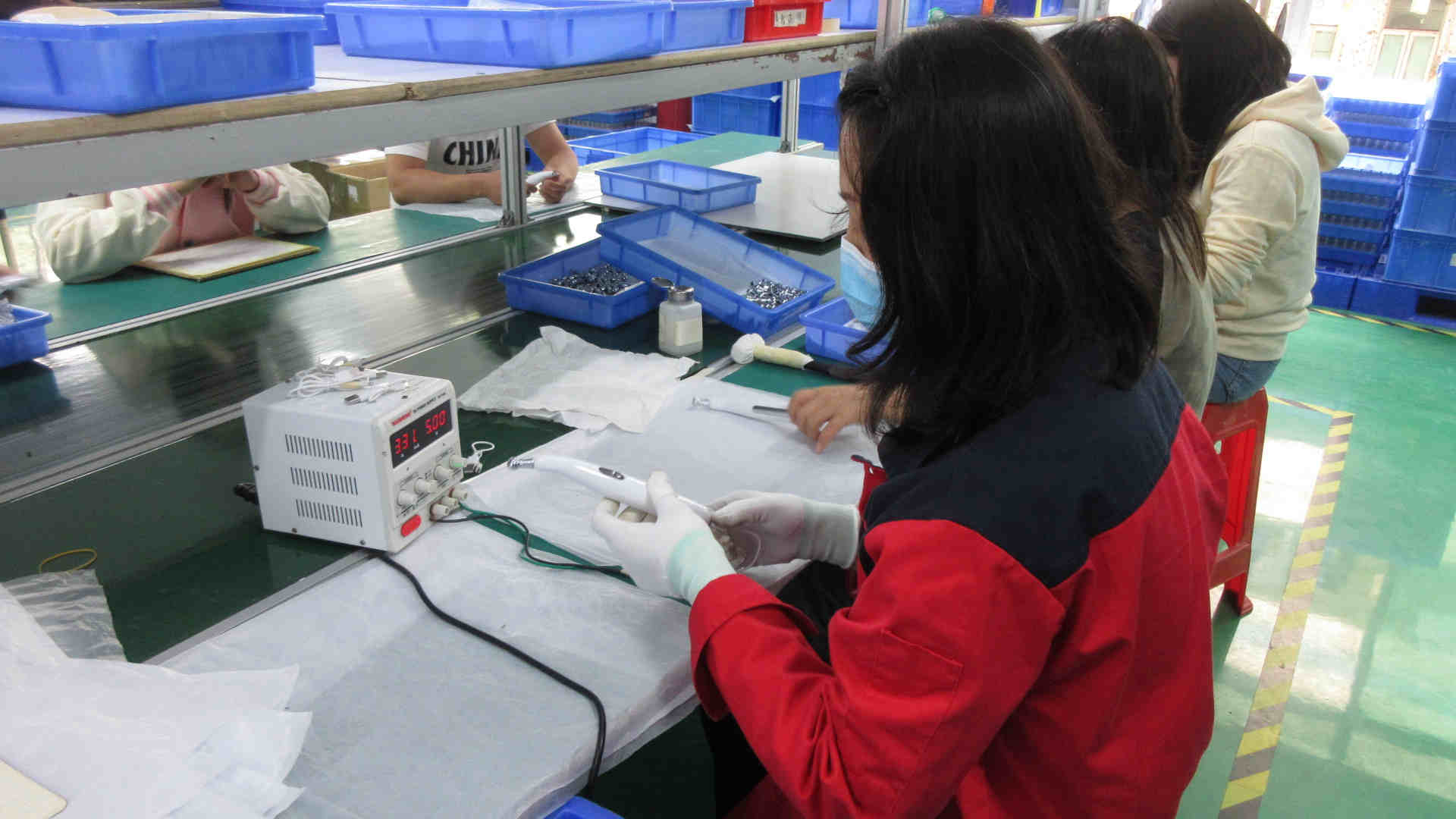
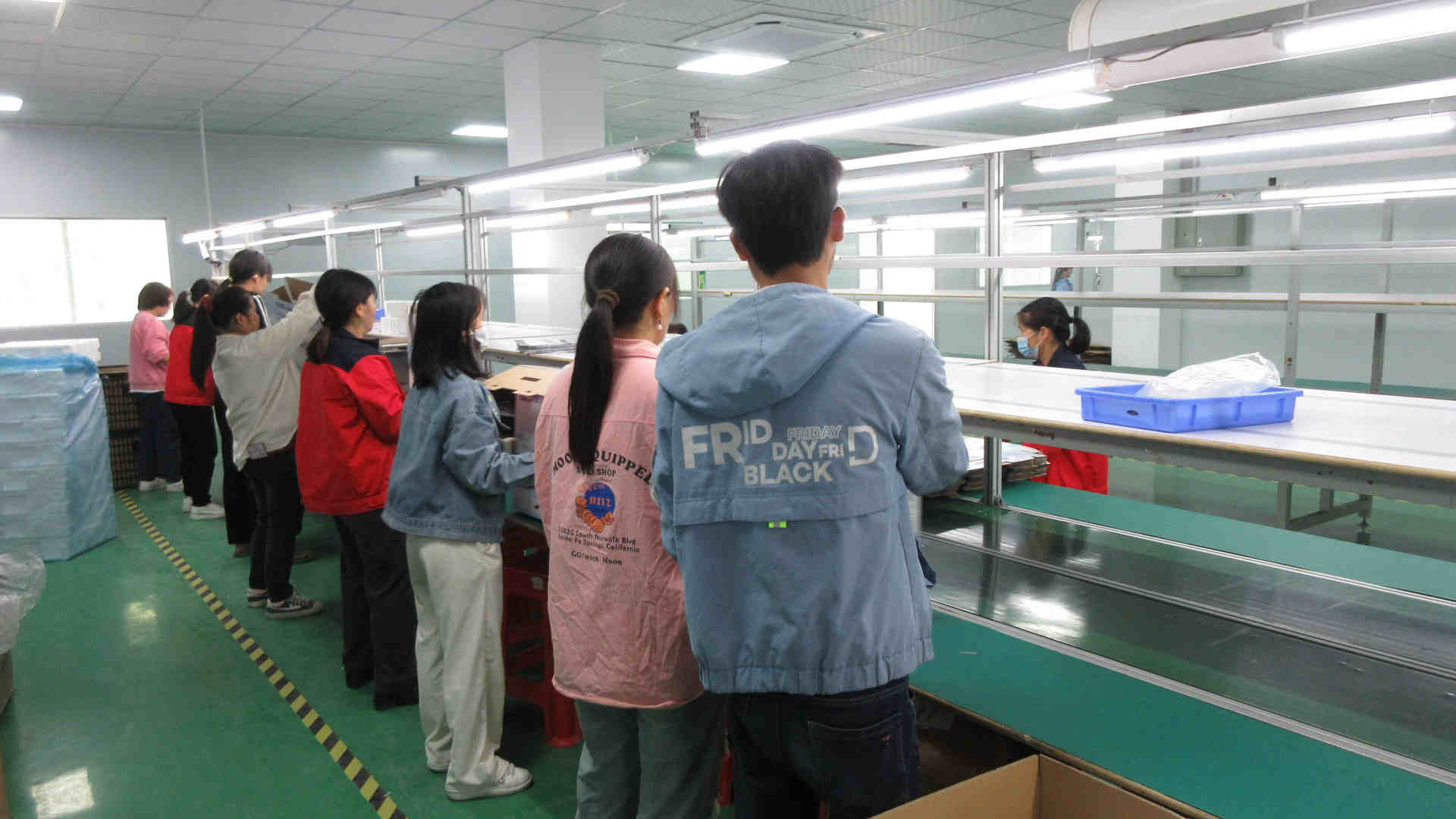
Founded in 2019, Foshan Kelli Beauty Co., Ltd. is a leading manufacturer specializing in the development, production, and global supply of beauty devices and personal care equipment. Operating from a modern production facility in Foshan, China, our company relies on experienced engineers, advanced machinery, and a strict quality control system to ensure every device complies with international standards.
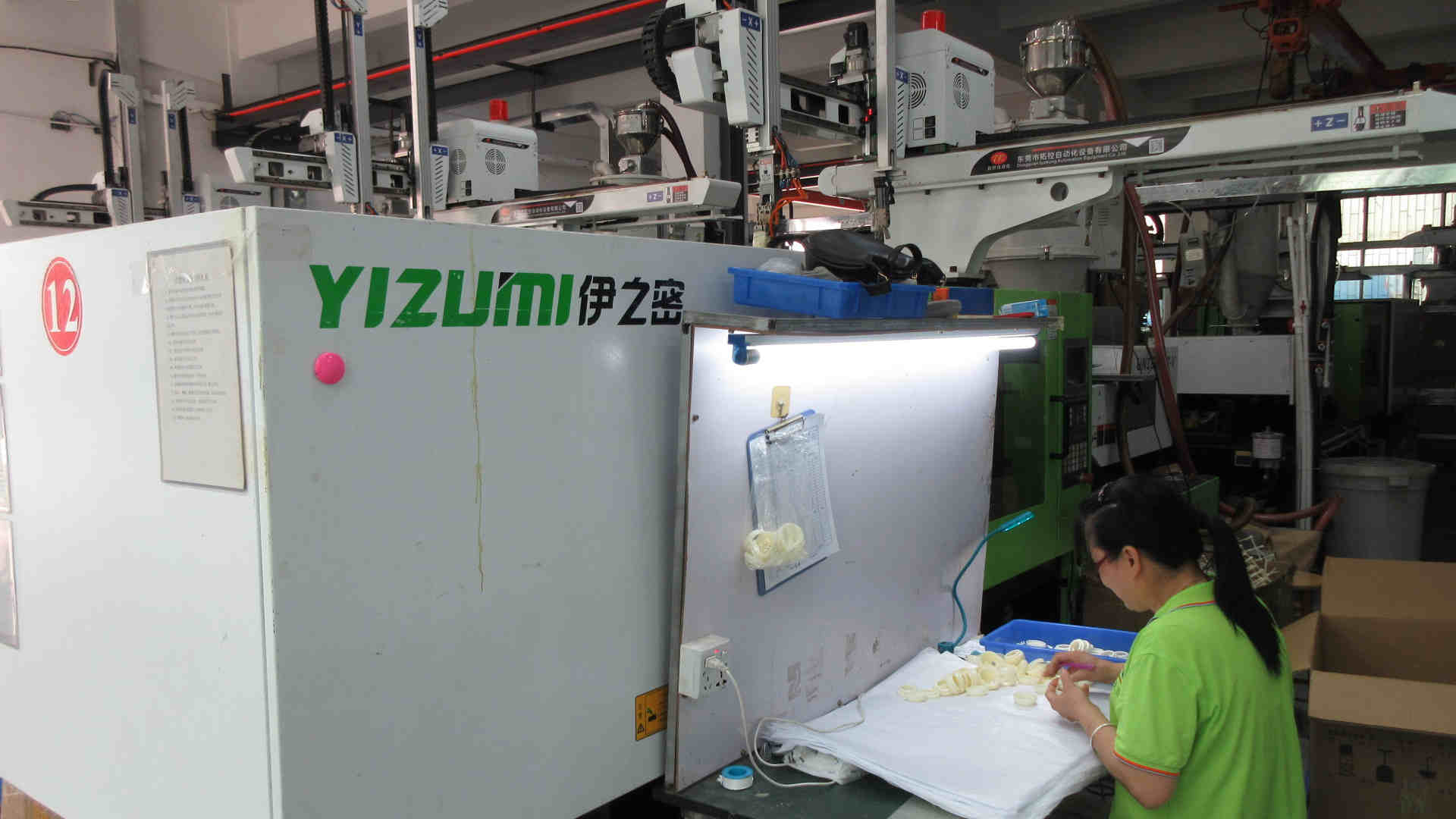
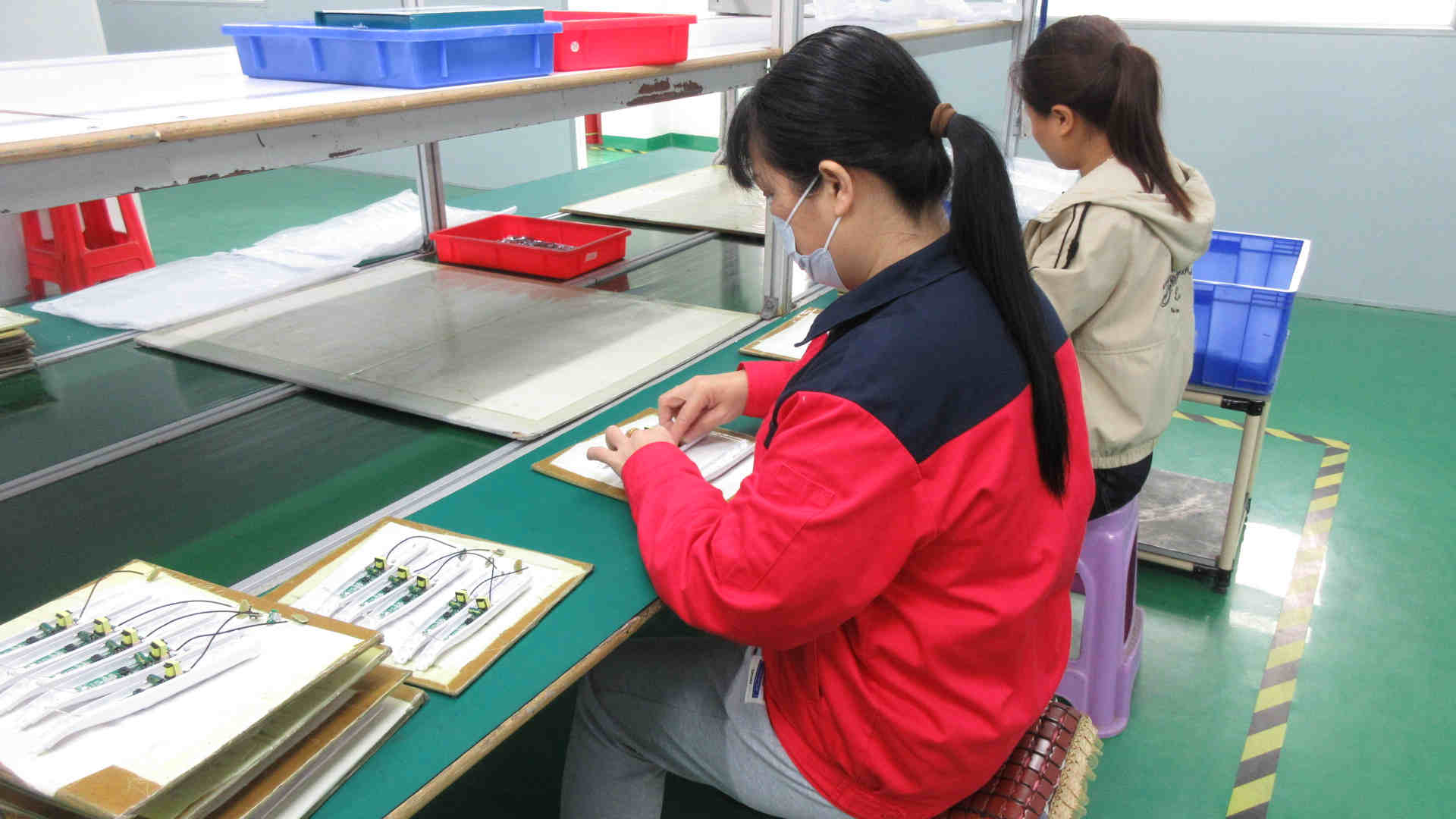
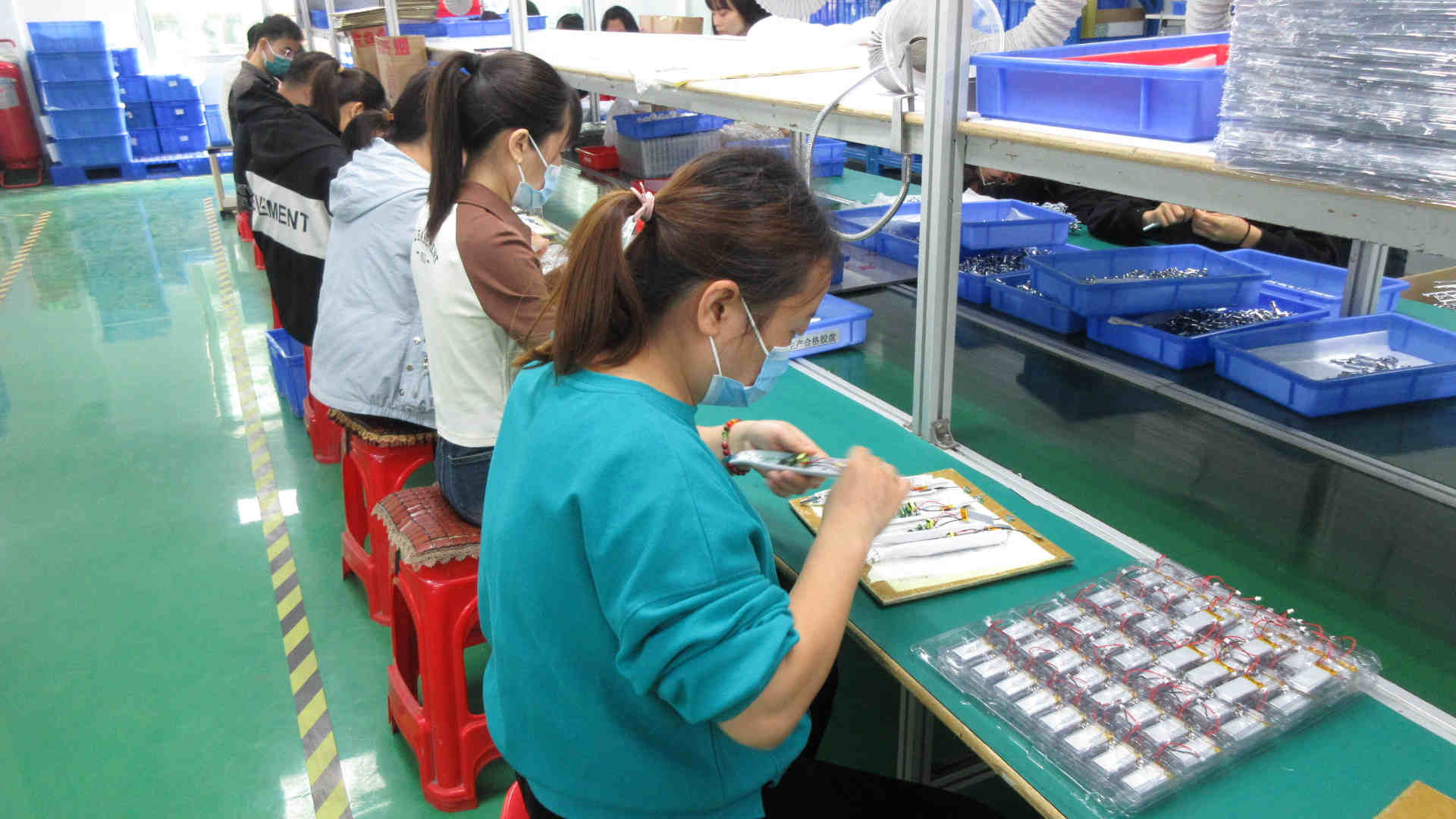
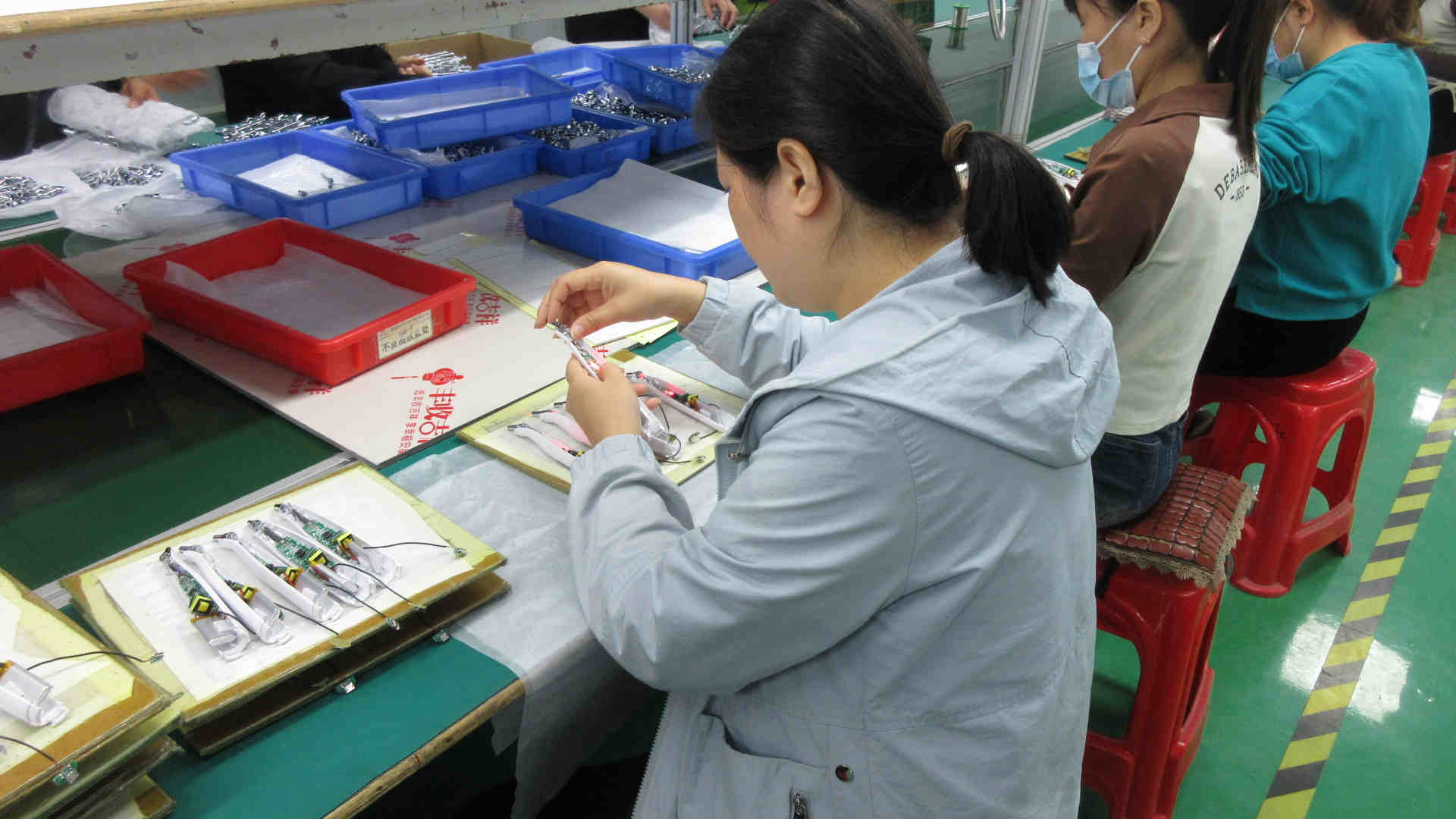
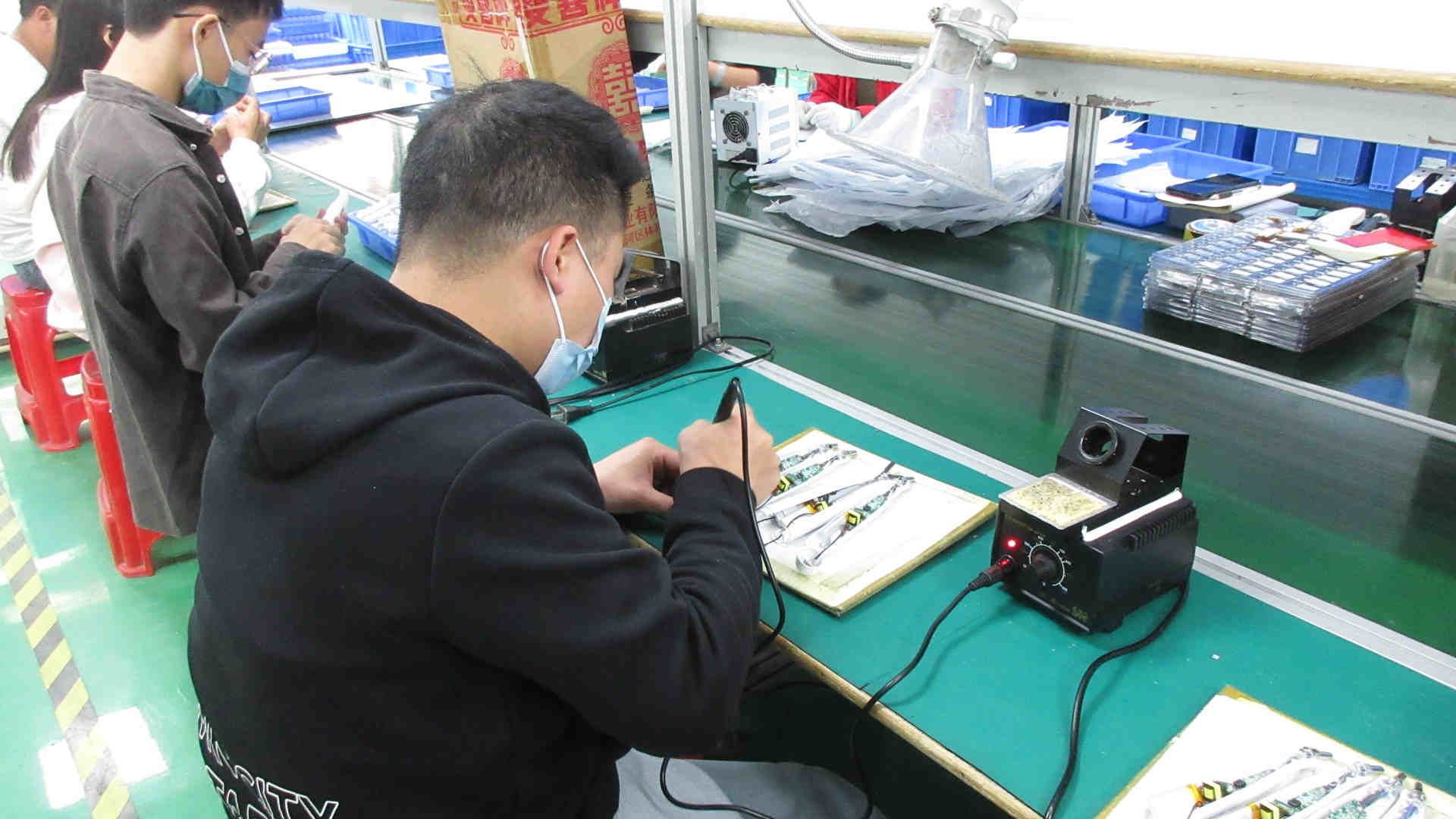
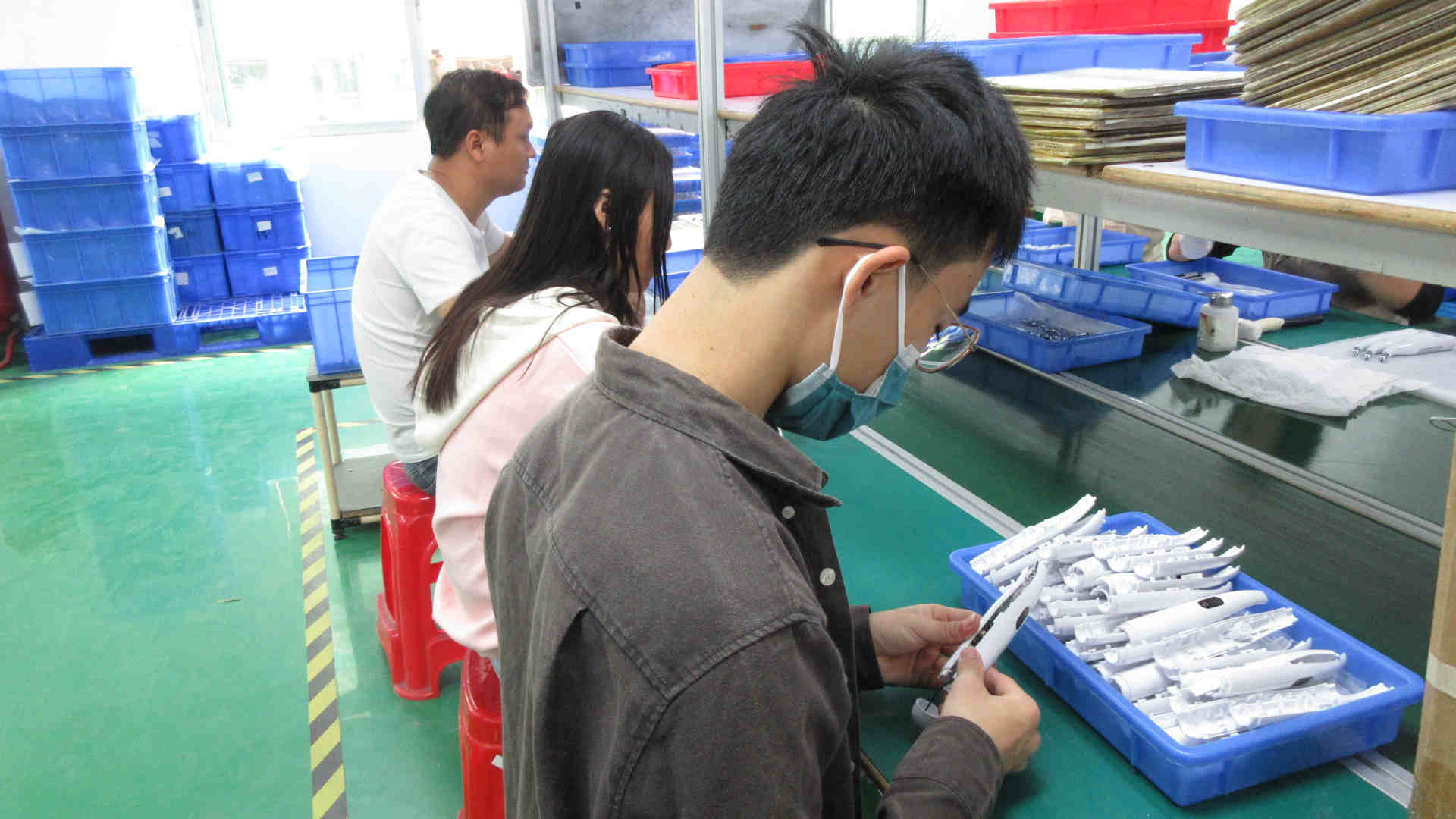
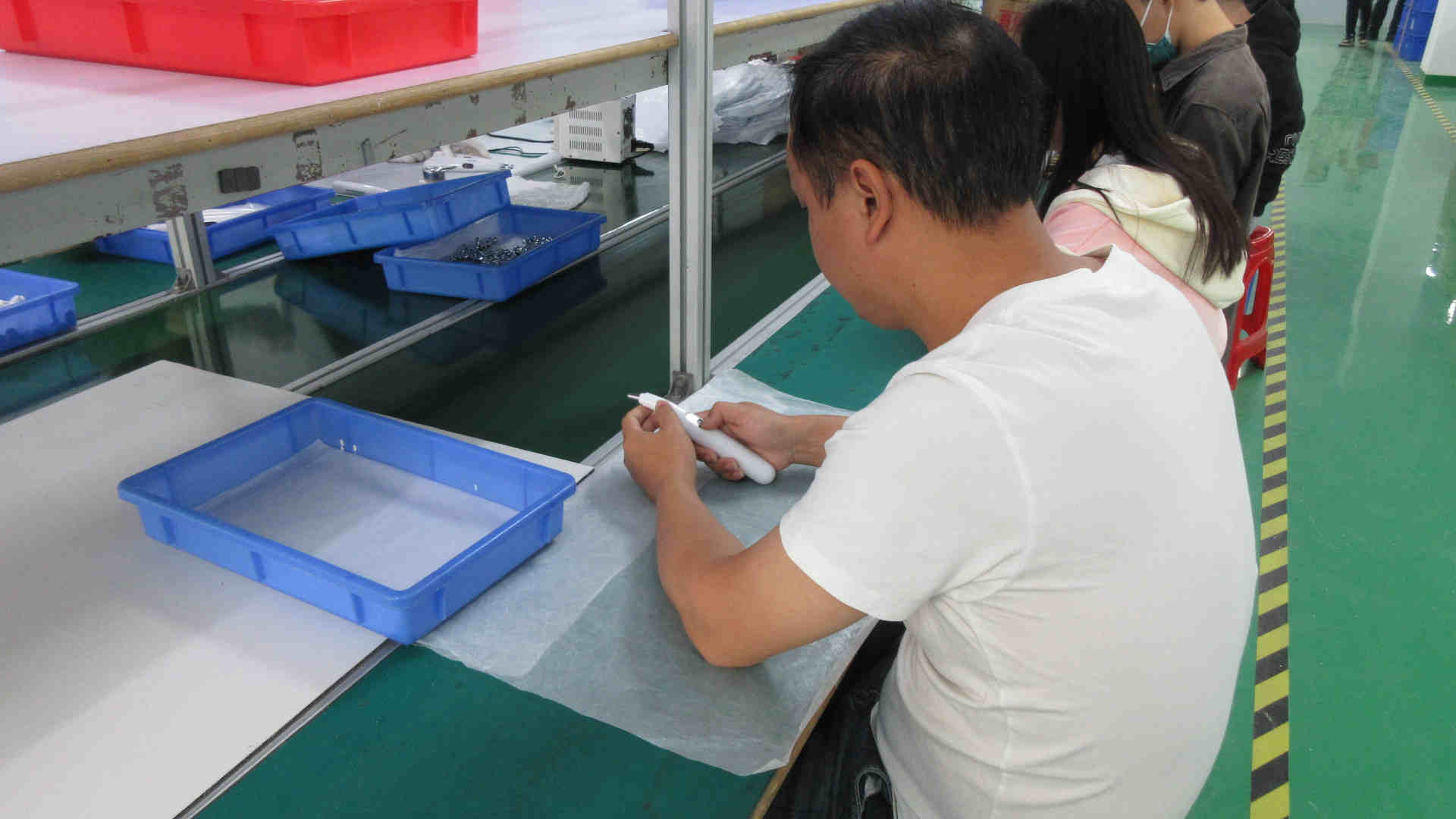
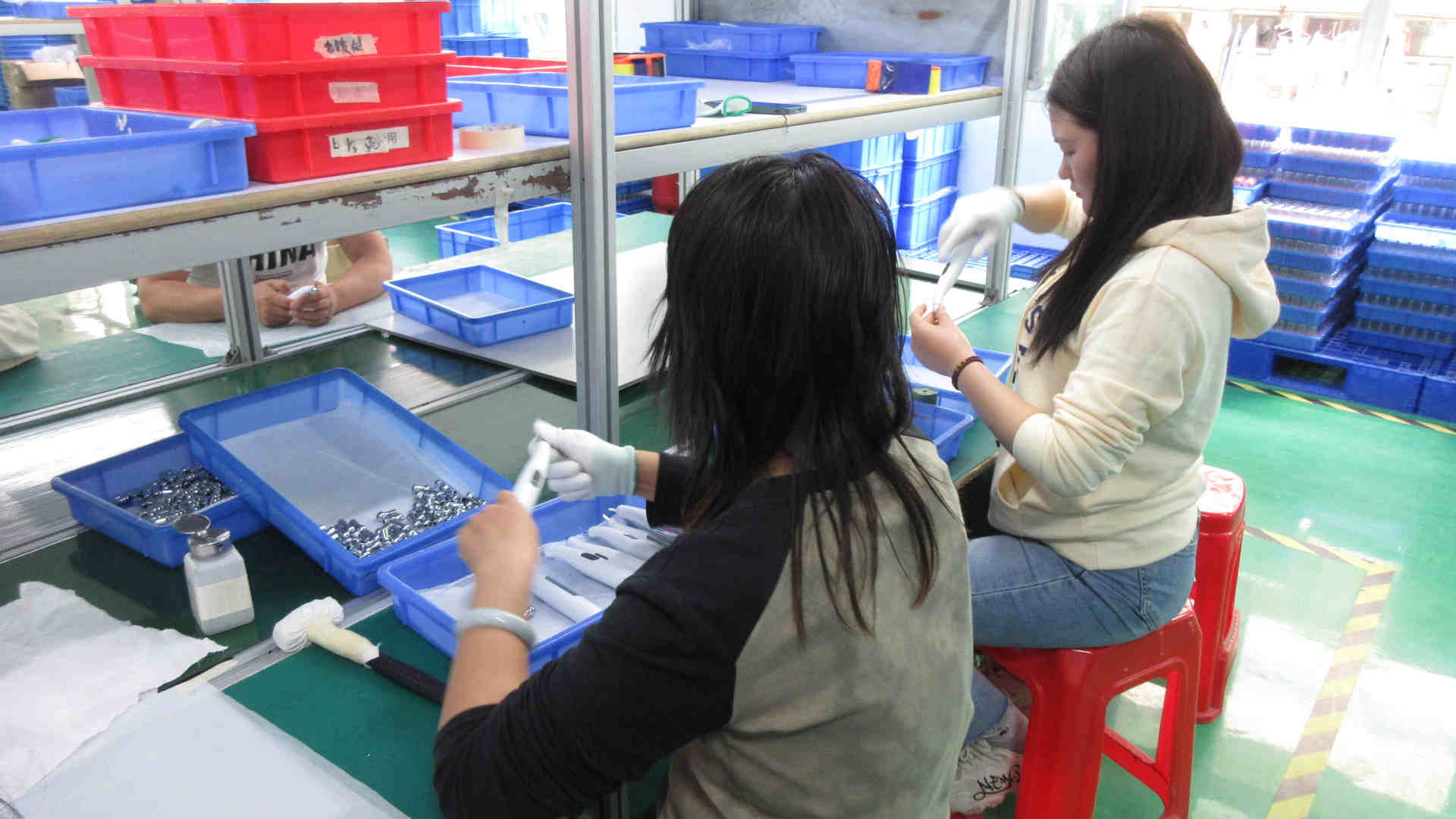
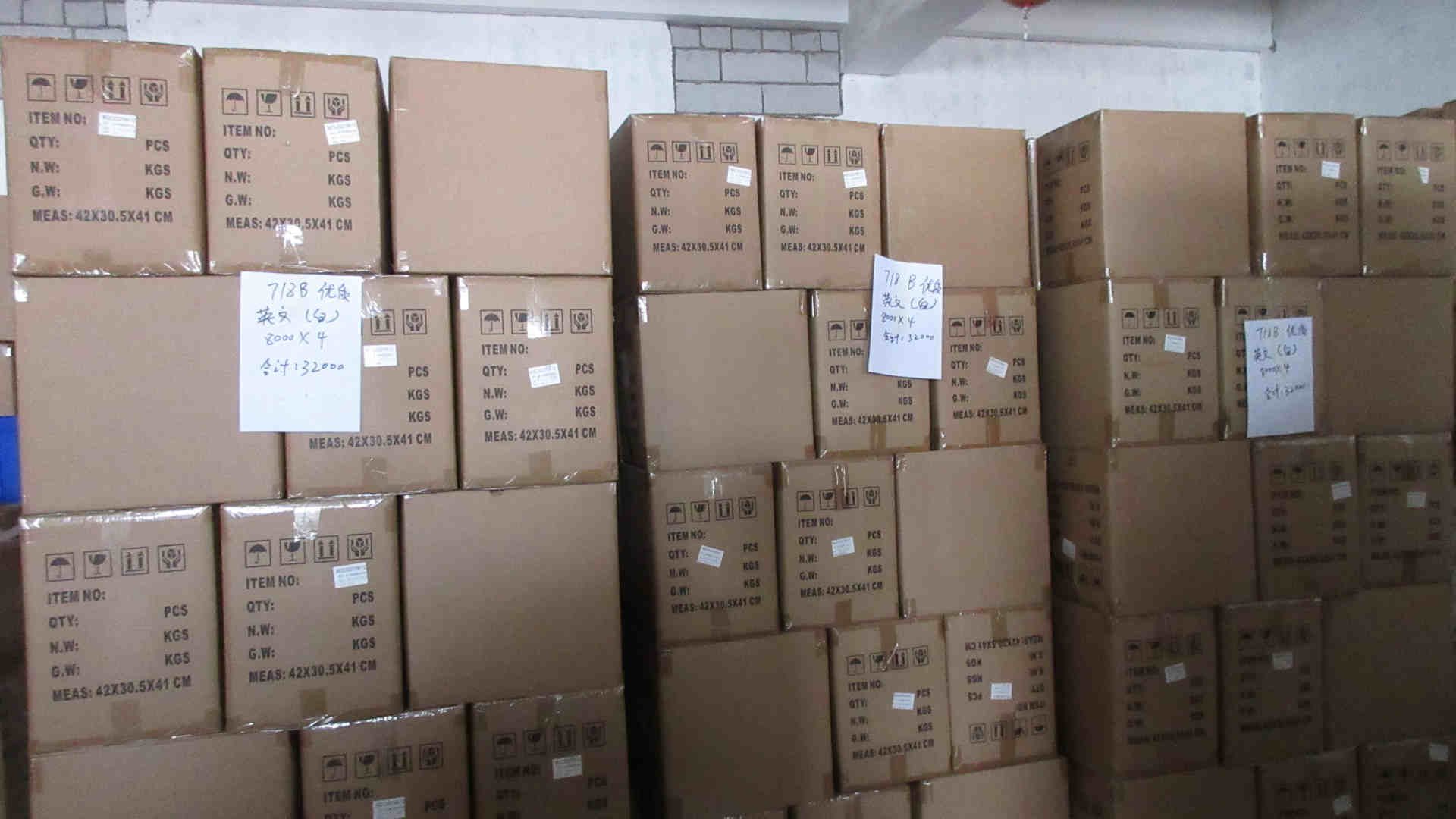
We provide comprehensive OEM and ODM services. Our capabilities span industrial design, mechanical engineering, custom injection molding, PCB assembly, and final system certification. Below is an overview of our specialized production phases:
Commercializing beauty and health technology globally requires adherence to target product certification and validation processes. Because programmable devices modulate parameters that directly affect skin physiology, they fall under distinct regulatory jurisdictions depending on the import territory.
Under FDA guidelines in the United States, LED light therapy masks are regulated under 21 CFR Part 878.4810 (laser surgical instrument for use in general and plastic surgery and in dermatology). Manufacturers targeting this market must ensure their supply partner operates cleanrooms with certified manufacturing processes, producing products capable of passing bio-compatibility tests (ISO 10993) and electromagnetic compatibility testing (IEC 60601-1-2).
Under the EU Medical Device Regulation (MDR 2017/745), active phototherapy devices require CE marking under Class IIa or IIb classification depending on the intended clinical claim. Technical documentation must verify light emission stability, eye safety protocols (blue light hazard evaluation under IEC 62471), and a comprehensive risk assessment file.
Foshan Kelli Beauty Co., Ltd. addresses these regulatory requirements by offering complete documentation support, testing reports, and certification files for all OEM/ODM partners. By maintaining an in-house laboratory equipped with optical spectrum analyzers, digital oscilloscopes, and high-voltage testers, we ensure every batch complies with FCC, CE, RoHS, and UL safety requirements before dispatch.
The operational landscape for programmable aesthetic hardware extends beyond home-use beauty routines. Our production and software customization platforms are designed for three primary commercial channels:
To support these use cases, our development team provides custom injection molds, localized packaging, customized software interfaces, and tailored firmware protocols. Whether you require a specialized LED pattern or a branded app interface, our technical capabilities ensure your product fits your market's needs.
As skincare technology evolves, we continuously update our manufacturing processes. The next phase of development focuses on three primary areas:
Integrating bio-impedance and spectral sensors directly within the mask's silicone interior. The mask analyzes skin hydration and sebum levels in real time, adjusting LED intensity and session duration dynamically.
Transitioning from traditional SMD chips to high-density Micro-LED sheets. This reduces mask thickness to under 2mm while increasing the density of the light-emitting points for more uniform energy distribution.
Developing bio-compatible, recyclable elastomers that offer the same flexibility as medical silicone, reducing environmental impact while maintaining strict safety profiles.
Answers to crucial technical, logistical, and commercial inquiries from global importers, procurement managers, and brand developers.
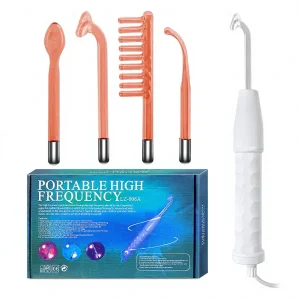
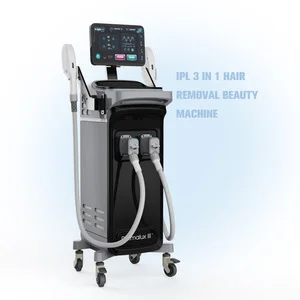
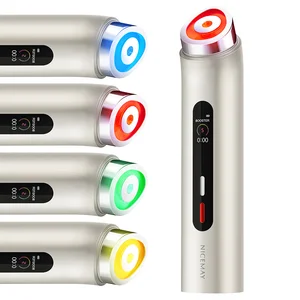
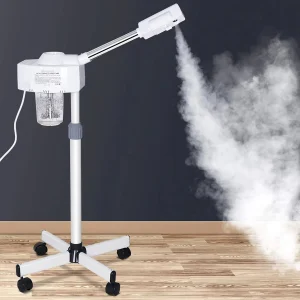
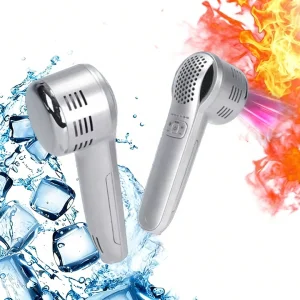
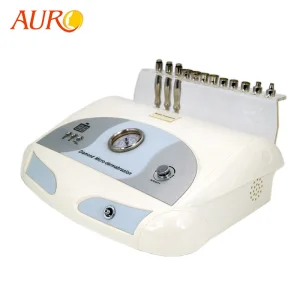
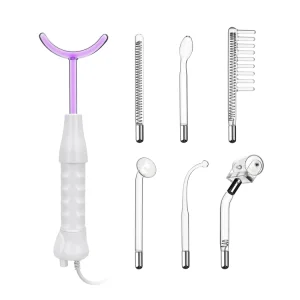
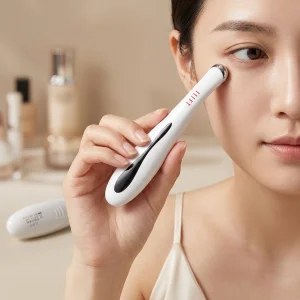
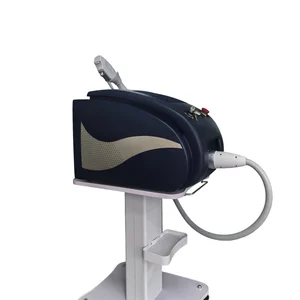
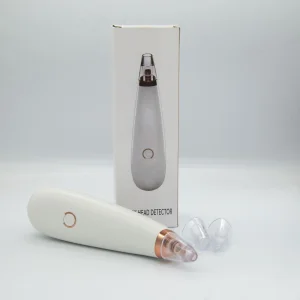
In addition to programmable masks, we manufacture a wide range of personal care and clinical aesthetic devices.

 Kelli Beauty