This report highlights technical architectures, validation pathways, regional market requirements, and supply chains for B2B procurement managers worldwide.
In the global aesthetics and cosmetic dermatology markets, user behavior has shifted. Consumers are increasingly searching for non-invasive, medical-grade skin prep technologies. Modern clinical skin preparation relies heavily on Ultrasonic Skin Scrubbers (Skin Spatulas) to exfoliate, clear comedones, and enhance the absorption of topicals.
By using acoustic cavitation, these devices turn liquid skin prep formulas into a high-velocity micro-jet stream. This removes dead skin cells and sebum without the risk of post-inflammatory hyperpigmentation (PIH) often caused by microdermabrasion or chemical peels. For medical spas, distributors, and direct-to-consumer cosmetic brands, sourcing high-performing, certified ultrasonic hardware is essential for building customer trust and driving market growth.
Ultrasonic scrubbers are evolving from simple mechanical scrubbers into smart, multi-modal skincare workstations. Sourcing managers must understand these technology trends to stay ahead of the competition:
While standard consumer devices operate at wide, unstable ranges, next-generation spatulas use self-tuning loops to maintain a precise 24kHz to 28kHz frequency, maximizing cavitation without burning the skin.
Future designs combine ultrasound with low-frequency EMS (Electrical Muscle Stimulation) and target-specific LED light therapy (465nm blue for acne, 630nm red for collagen) directly within the stainless steel spatula assembly.
As regulations tighten, raw material standards are shifting from generic metals to surgical-grade AISI 316 stainless steel and hypoallergenic titanium coatings to protect sensitive skin.
Consumer demographics and usage habits vary significantly across regions. Understanding these differences helps target product development and marketing:
Southern China, especially the industrial hub of Foshan and Shenzhen, produces a significant share of the world's personal beauty devices. This dominance is built on structural advantages:
Integrated Component Ecosystem: From high-precision mold makers and PCB assembly (PCBA) shops to biocompatible steel suppliers, every element is located within a 50km radius. This geographic concentration speeds up development, letting brands move from prototype to mass production in just 30 to 45 days.
Strict Testing Standards: Modern factories use advanced testing protocols, including high-frequency vibration testing, battery cycle testing, and water resistance testing. This integration keeps assembly lines efficient while keeping defect rates below 0.5%.
Founded in 2019, Foshan Kelli Beauty Co., Ltd. is a specialized manufacturer focused on the design, development, and global export of beauty devices and personal care equipment. Serving distributors, wholesalers, and retail brand owners worldwide, the company is built on rigorous manufacturing standards and client-focused services.
Foshan Kelli Beauty supports clients at every step—from initial design and prototype prints to custom packaging and regulatory certifications. Their engineers help brands launch high-quality products that meet safety standards across Europe, the Americas, and the Asia-Pacific region.
"Our goal is to build long-term partnerships through quality products, reliable services, and continuous innovation."
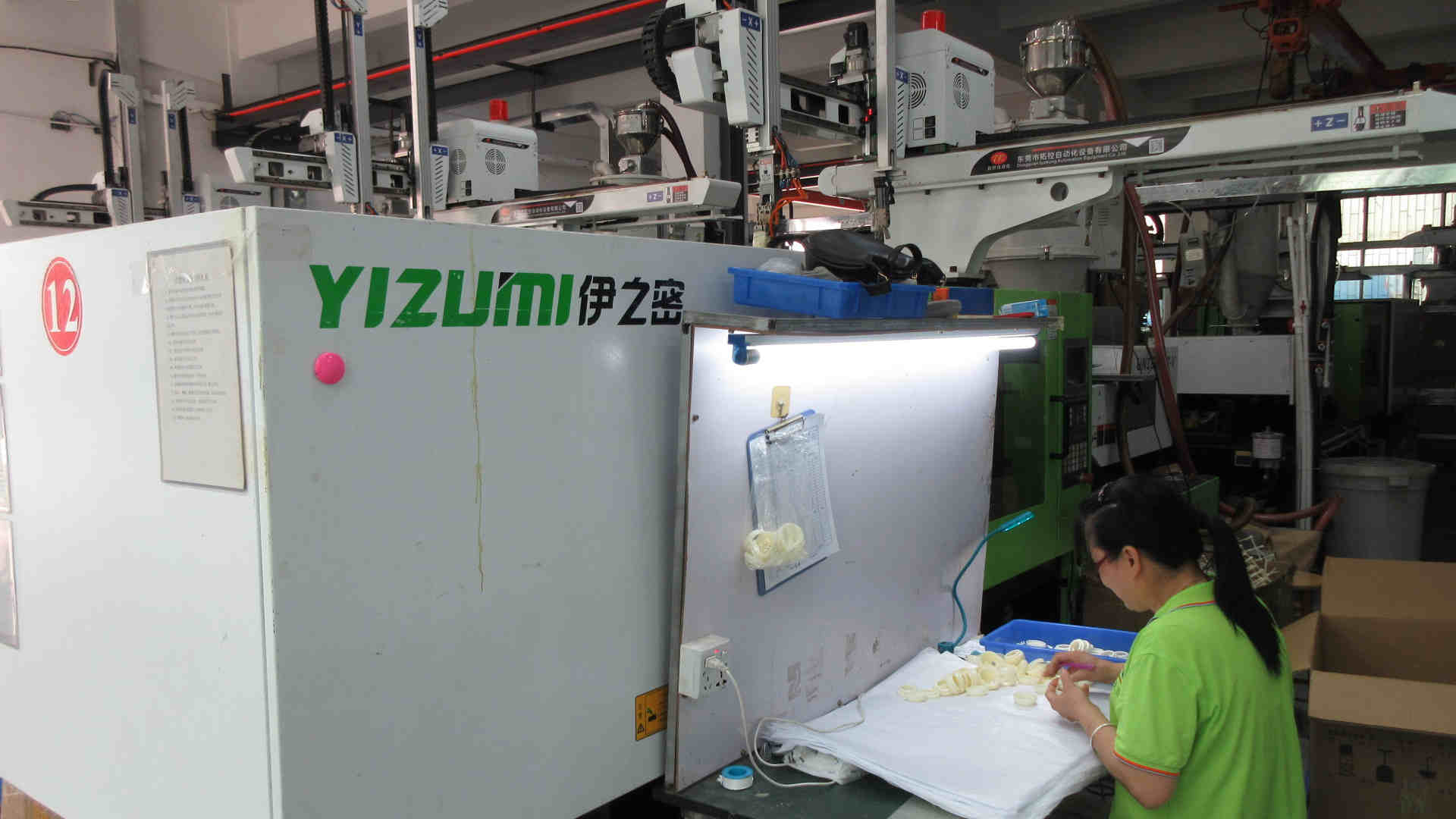
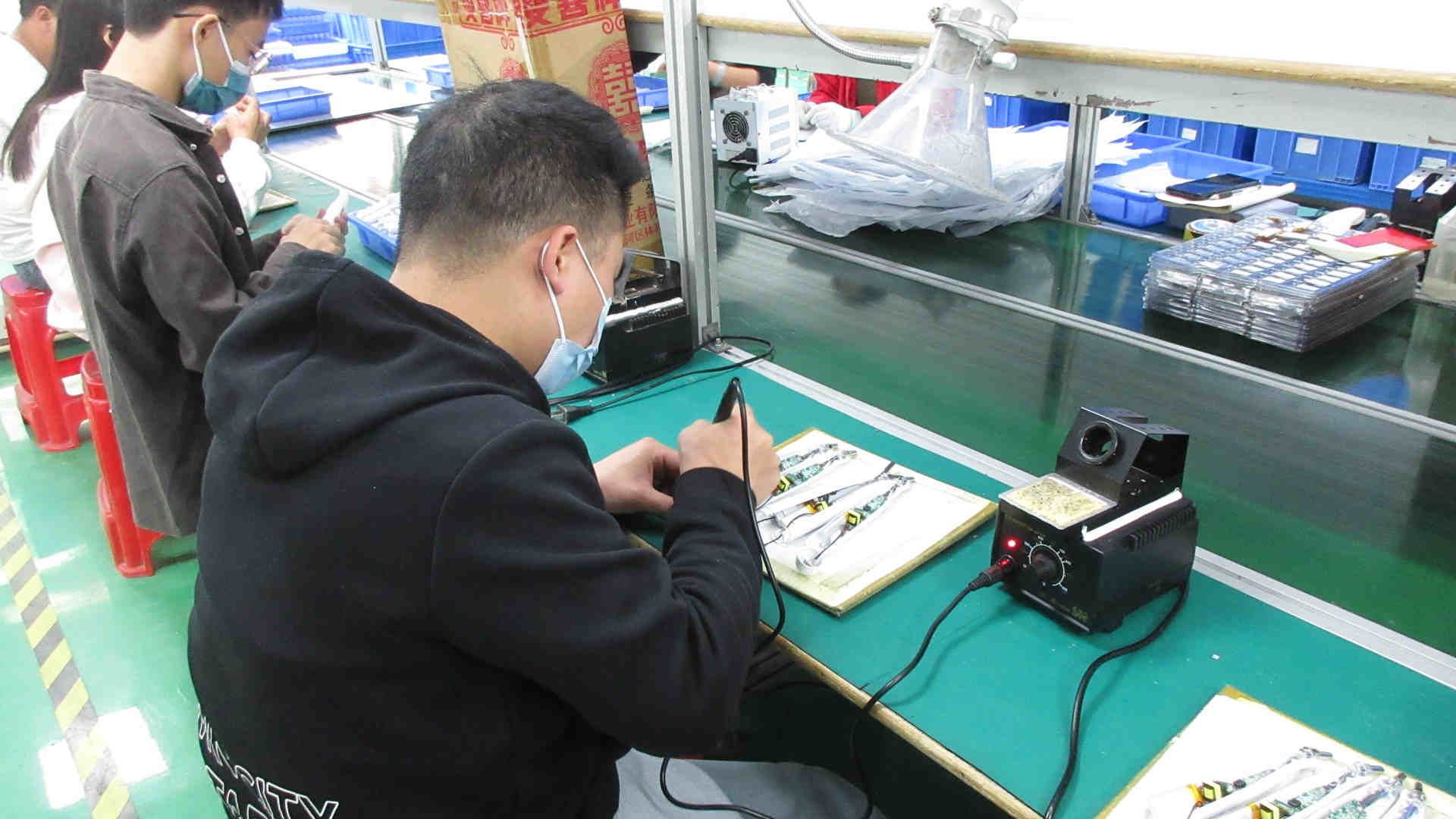
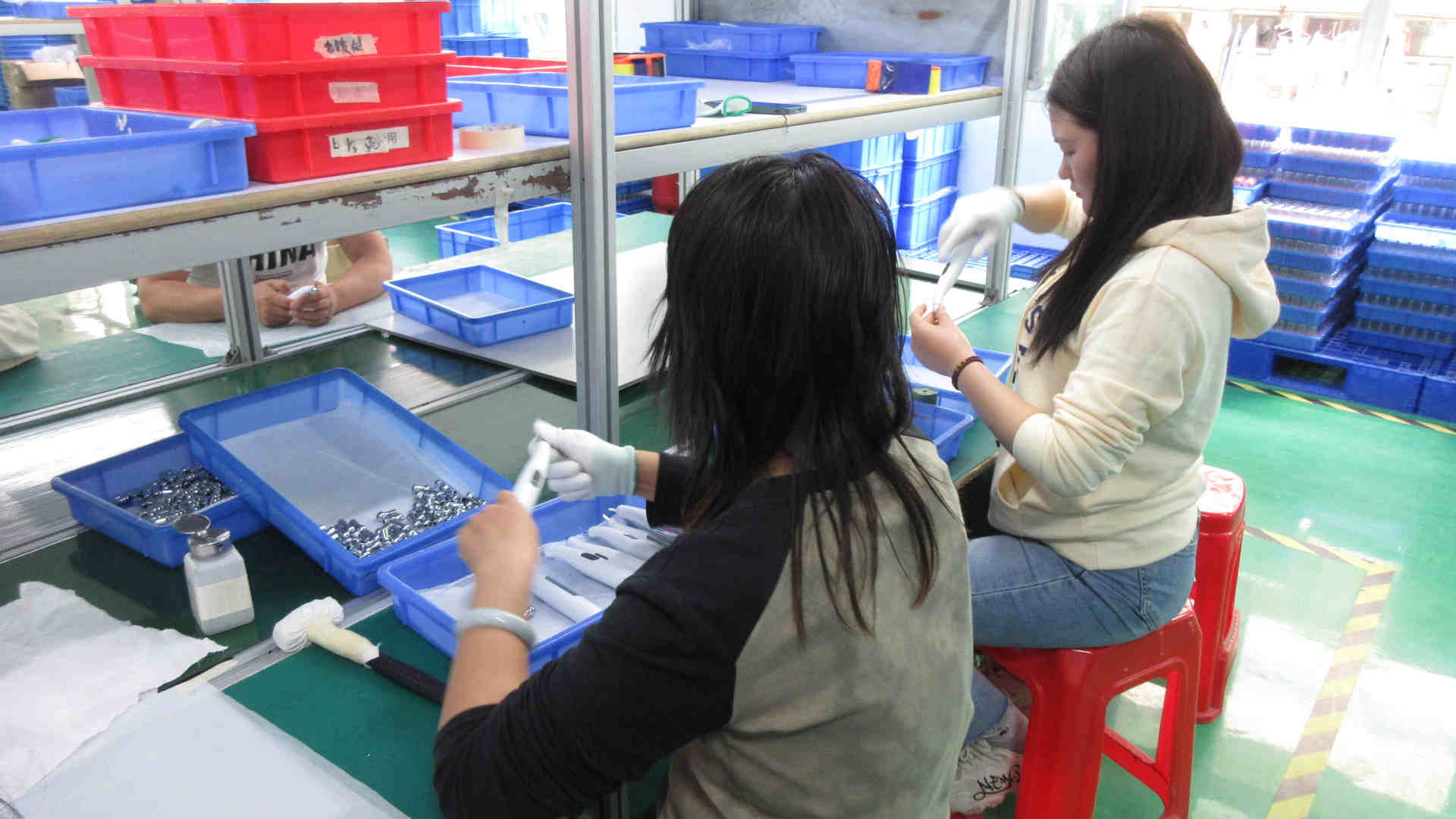
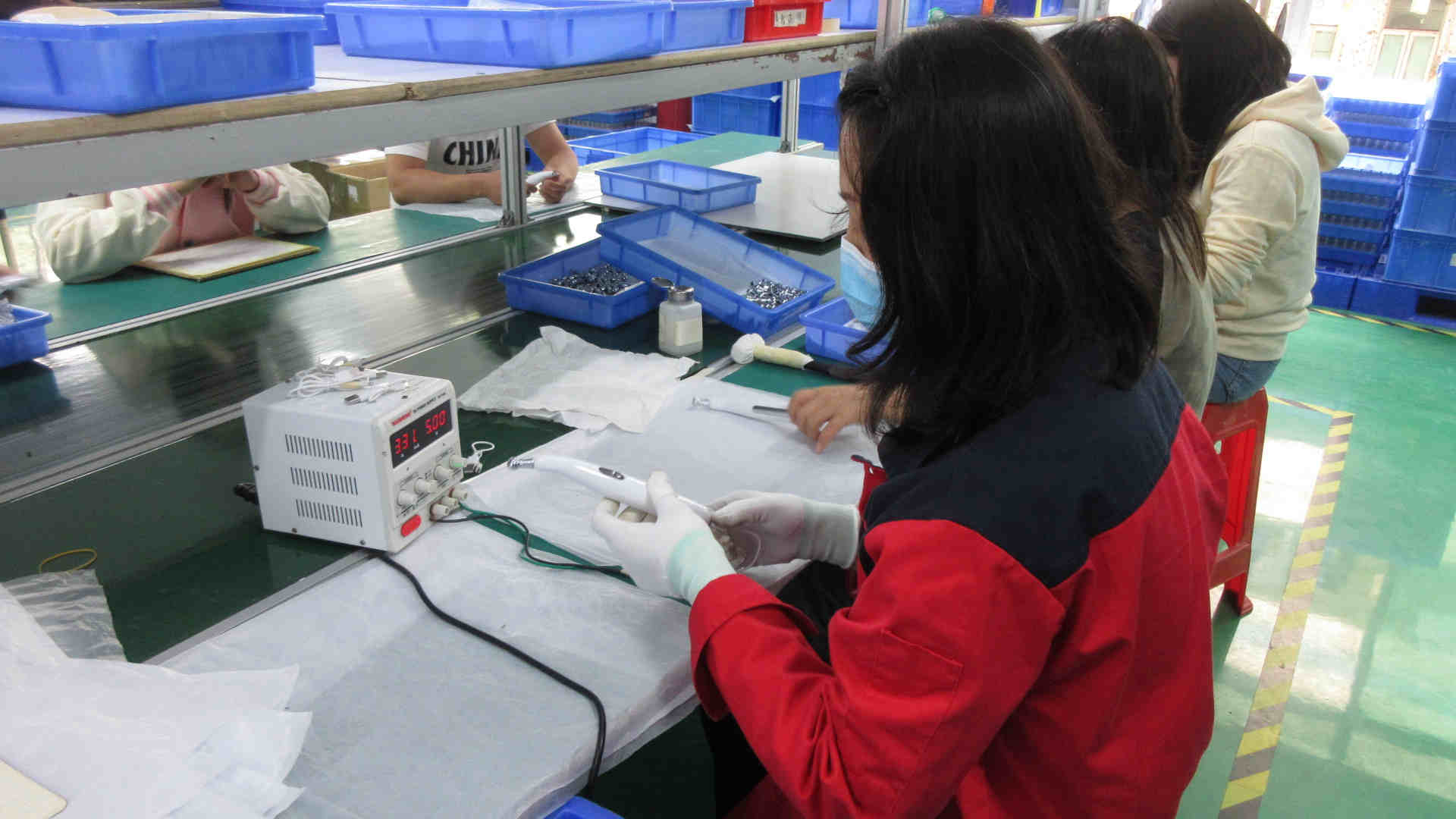
An inside look at our manufacturing facility, highlighting the quality checks and assembly steps at Foshan Kelli Beauty Co., Ltd.:







For international buyers, product compliance is essential. Selling uncertified electrical skincare products can lead to customs delays, fines, or product recalls. Important certifications to verify include:
CE & RoHS: Required for the European Union. These guarantee that the device meets safety directives and does not contain hazardous substances like lead or mercury.
FDA FDA 510(k) or Registration: For the United States. Essential for marketing devices as medical or professional-grade exfoliators.
FCC: Required in the US to confirm the device's electromagnetic emissions remain within safe limits, avoiding interference with other devices.
ISO 13485: A valuable manufacturing standard indicating the factory maintains a medical-grade quality management system.
A: The industry standard for effective facial exfoliation is between 24kHz and 28kHz. Frequencies below 20kHz can be noisy and irritating, while frequencies above 30kHz may not generate the vibration needed for deep cleaning.
A: Sourcing managers should request MSDS, UN38.3, and IEC 62133 reports. These documents confirm that the internal lithium-ion batteries have passed rigorous testing for thermal stability, overcharge protection, and physical drop resistance.
A: Standard OEM services, such as silk-screened logos, typically start at an MOQ of 500 to 1,000 units. Custom tooling, unique colors, or custom box designs may require larger orders or upfront development fees.
A: We use a multi-step inspection process: raw materials check, component welding, semi-finished functional checks, aging tests, and final cosmetic inspections before packing.
A: Yes, most modern devices use USB-C or inductive charging docks compatible with standard 5V USB adapters. This universal compatibility helps simplify product variants across international regions.
A: High-quality scrubbers use surgical-grade stainless steel (AISI 304 or 316). We can also provide titanium-plated tips for clients targeting users with sensitive or allergy-prone skin.

 Kelli Beauty