Explore our foundational aesthetic devices engineered for professional dermatology clinics, medspas, and wholesale global brands.
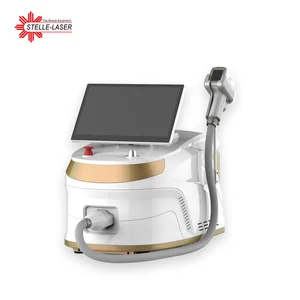
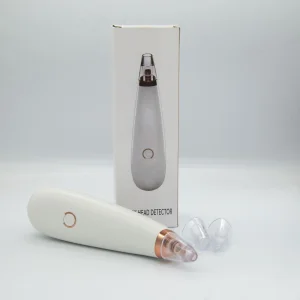
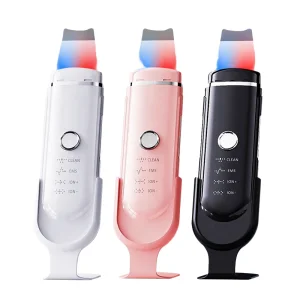
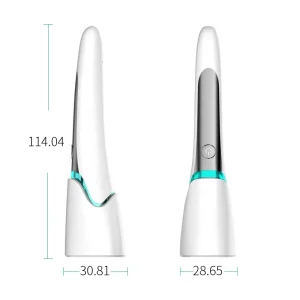
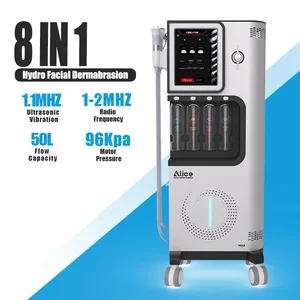
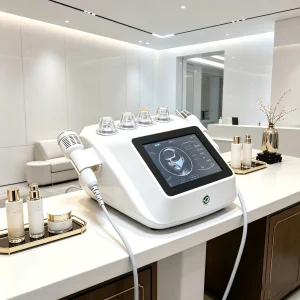

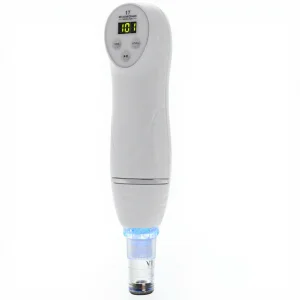
A B2B technical briefing on the engineering, clinical science, and global market evolution of automated micro-channeling technology.
In the contemporary medical aesthetics and clinical skincare landscapes, automated microneedling systems—popularly recognized as microneedle pens or automatic dermapens—have transitioned from novelty procedures to baseline clinical protocols. Driven by the biological principles of Collagen Induction Therapy (CIT), these devices cause controlled, micro-fractional mechanical injuries to the epidermal and dermal layers. The primary objective is to activate the body's natural wound healing cascade without thermal, chemical, or severe physical ablation. The result is a dramatic increase in transdermal absorption of active cosmeceuticals, structural remodeling of acne scars, reductions in rhytids, and global skin rejuvenation.
"For brand owners, clinical distributors, and medical spa networks, sourcing microneedle devices involves navigating complex challenges in mechanical stability, biocompatibility, sterilization protocols, and global regulatory compliance. To remain competitive, brands must secure manufacturing partners that offer verified technical precision alongside flexible, customized OEM/ODM integration."
The global demand for microneedling devices is driven by consumer preferences for minimally invasive procedures with low downtime, combined with the rising clinical validation of micro-channeling for drug delivery systems. As a leading specialized manufacturer, Foshan Kelli Beauty Co., Ltd. integrates research, design, electronic engineering, and regulatory assurance to deliver custom OEM/ODM solutions. We assist global brands in bypassing the friction points of prototype development, structural failure, and compliance certification.
Southern China, and specifically the Guangdong industrial cluster (comprising Foshan, Guangzhou, and Shenzhen), represents the global epicenter of high-tech aesthetic equipment manufacturing. Sourcing from a specialized OEM factory like Foshan Kelli Beauty in this region offers unmatched structural advantages:
The microneedle pen sector is shifting from basic mechanical vibrators to smart, integrated dermal delivery platforms. Sourcing managers must align their product roadmaps with these industry trends:
1. Digital Depth Calibration & Calibration Locks: Manual depth rings are being replaced by micro-stepper motors controlled by digital touch interfaces. This prevents depth slippage during procedures, protecting clinics from liability.
2. Synergistic Combination Modalities: The integration of secondary modalities is growing. Innovations include incorporating EMS (Electrical Muscle Stimulation), Microcurrent, or targeted Red/Blue LED Phototherapy directly into the microneedling handpiece to accelerate healing and boost cell turnover simultaneously.
3. Wireless Induction Charging & Extended Battery Life: Premium models now feature wireless charging cradles and high-density, double-cell lithium polymer batteries. This ensures continuous operation without cords interfering with sterile clinical fields.
4. Anti-backflow Valve Technology: Cartridge design is critical. Sourcing managers must demand dynamic fluid-barrier membranes or positive-pressure seals to prevent interstitial fluids from flowing back into the handpiece, eliminating cross-contamination risks.
Founded in 2019, our modern production facility operates under strict quality management systems to produce aesthetic equipment for international distribution.
Our infrastructure covers the entire product lifecycle: from initial CAD layout, structural safety modeling, and mold engineering, to plastic injection molding, automated surface spray finishes, cleanroom PCB mounting, and final multi-stage testing. Sourcing professionals are invited to review our localized production steps, verifying that quality control checkpoints are integrated at every stage.
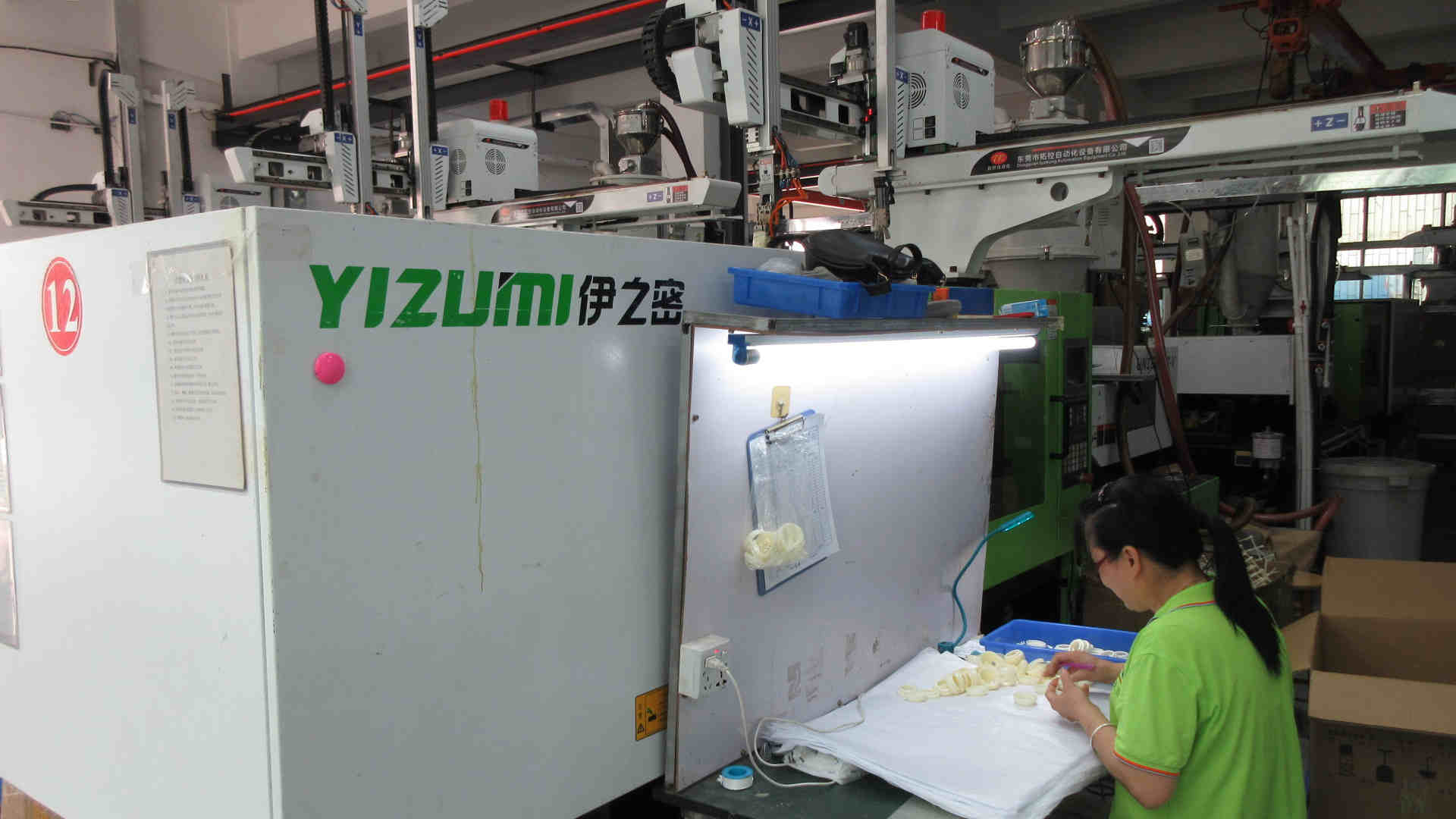
1. Injection Molding
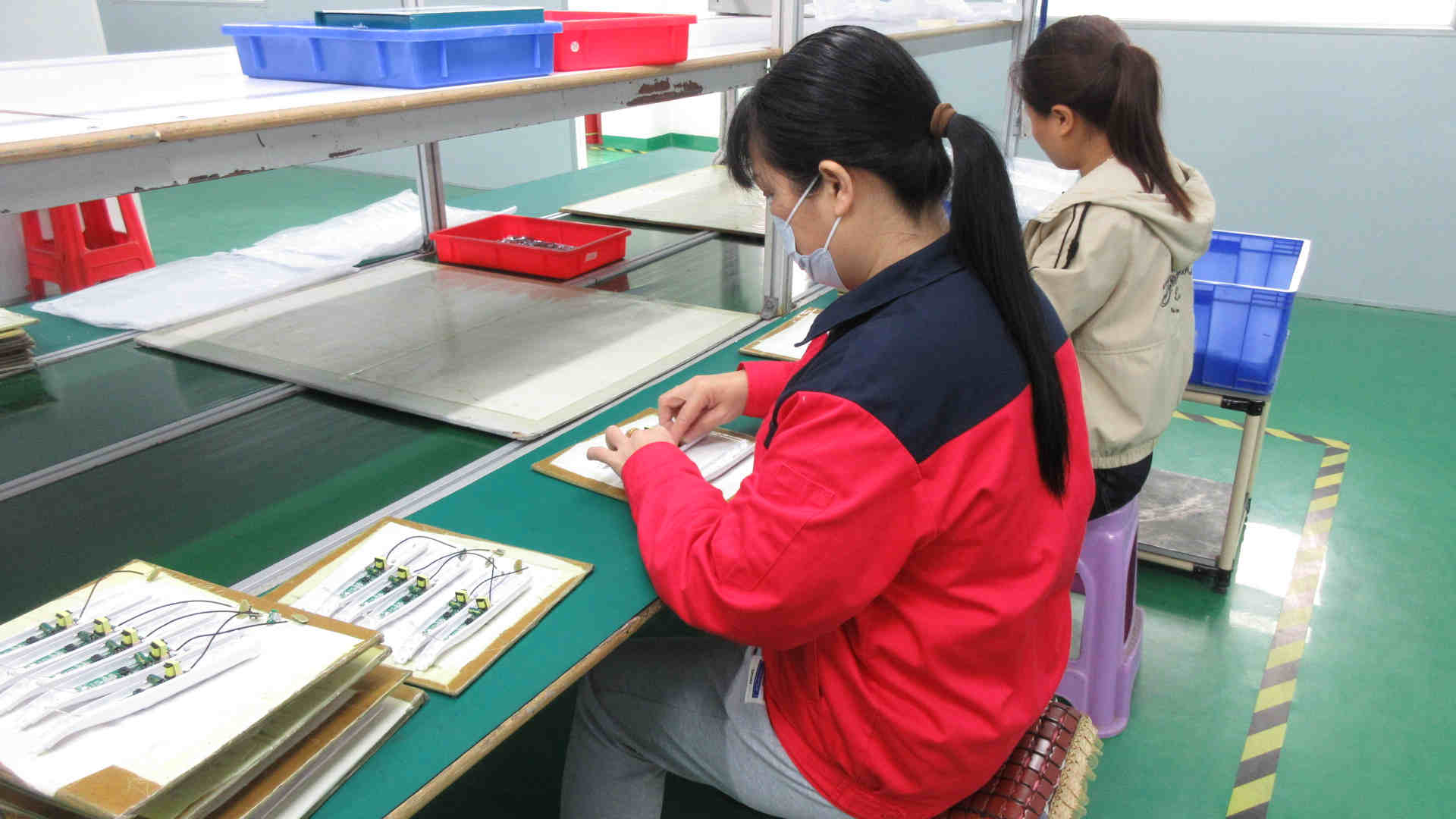
2. Device Assembly
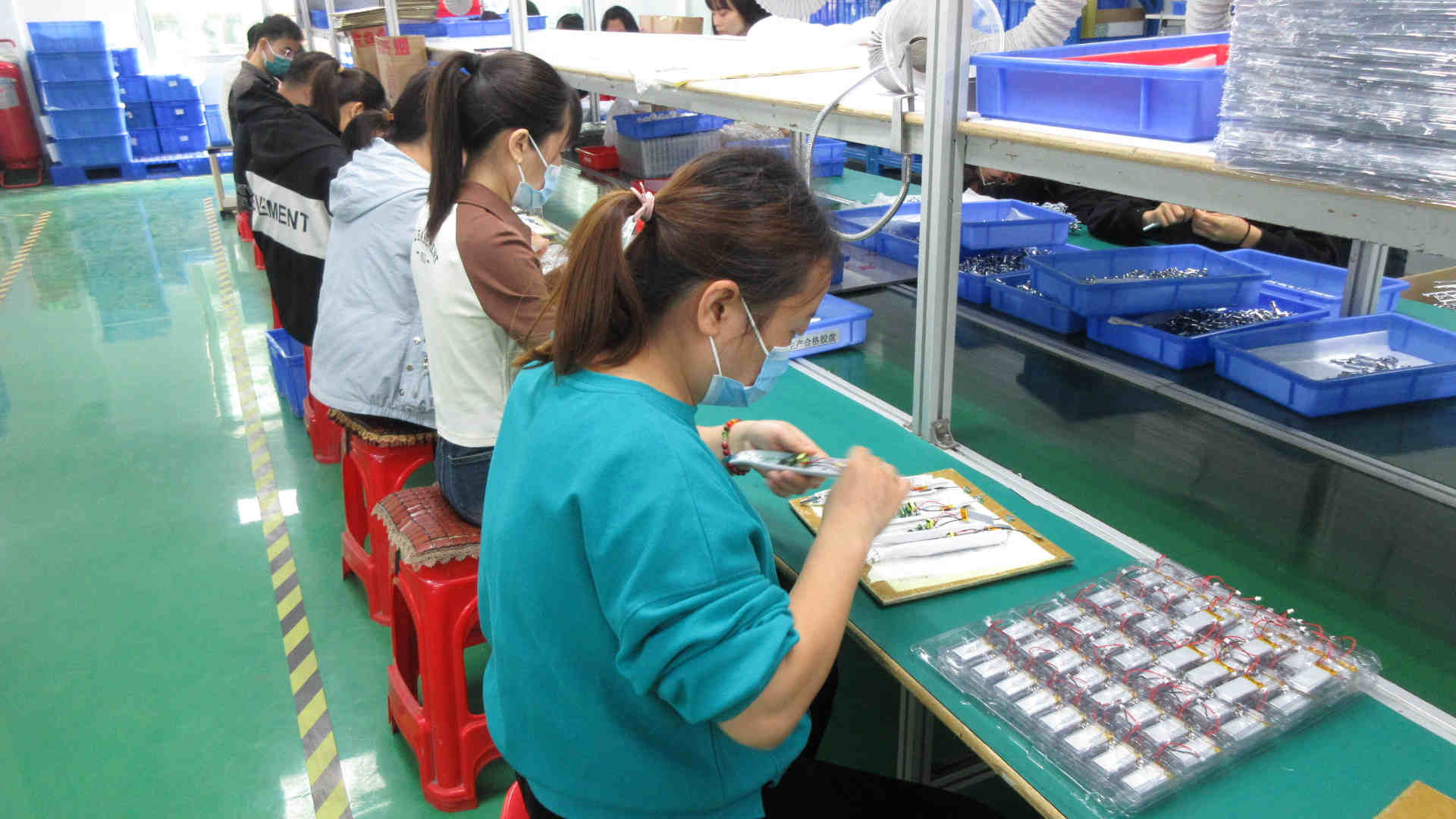
3. Component Fitting
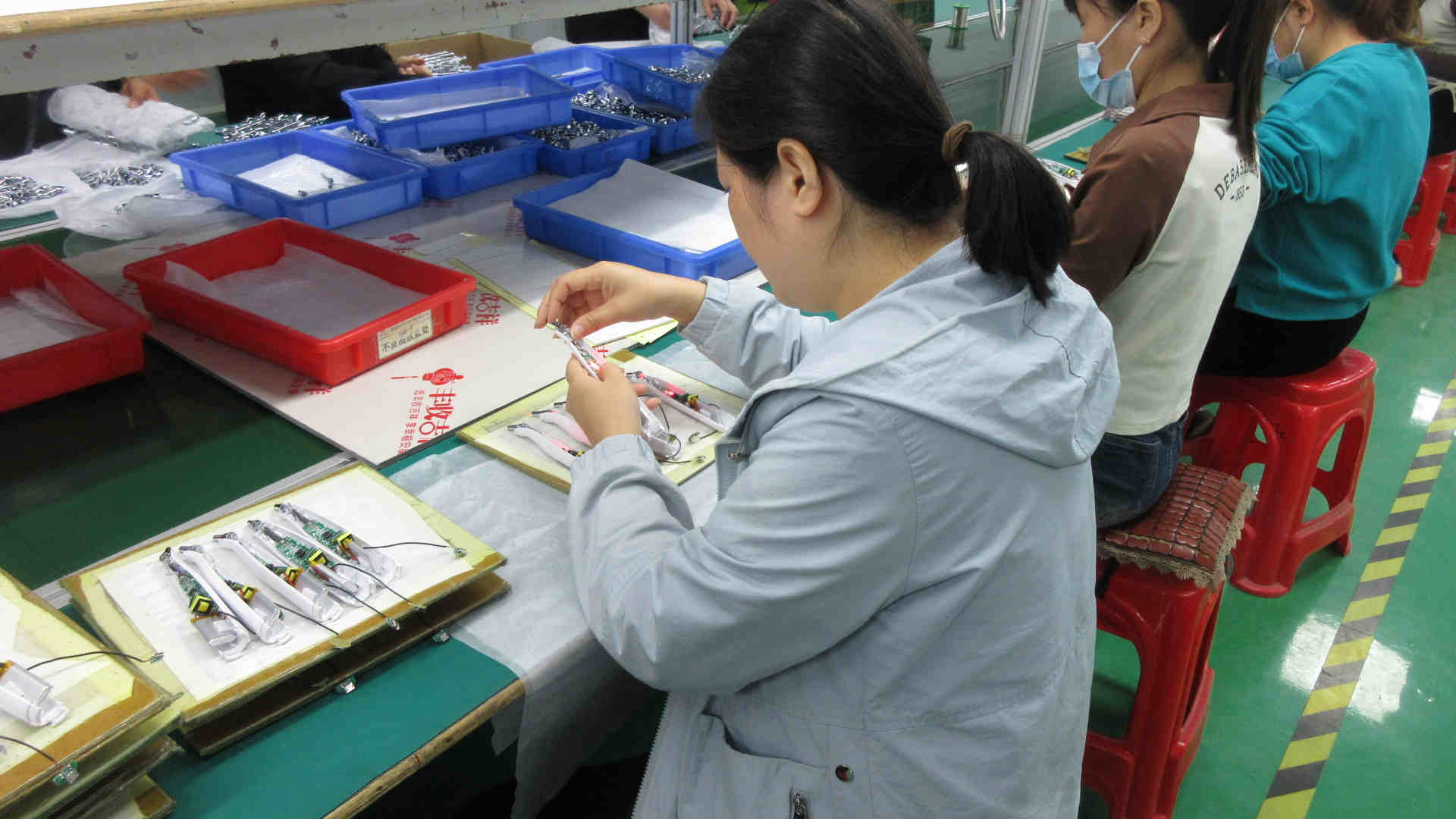
4. Semi-Finished QA
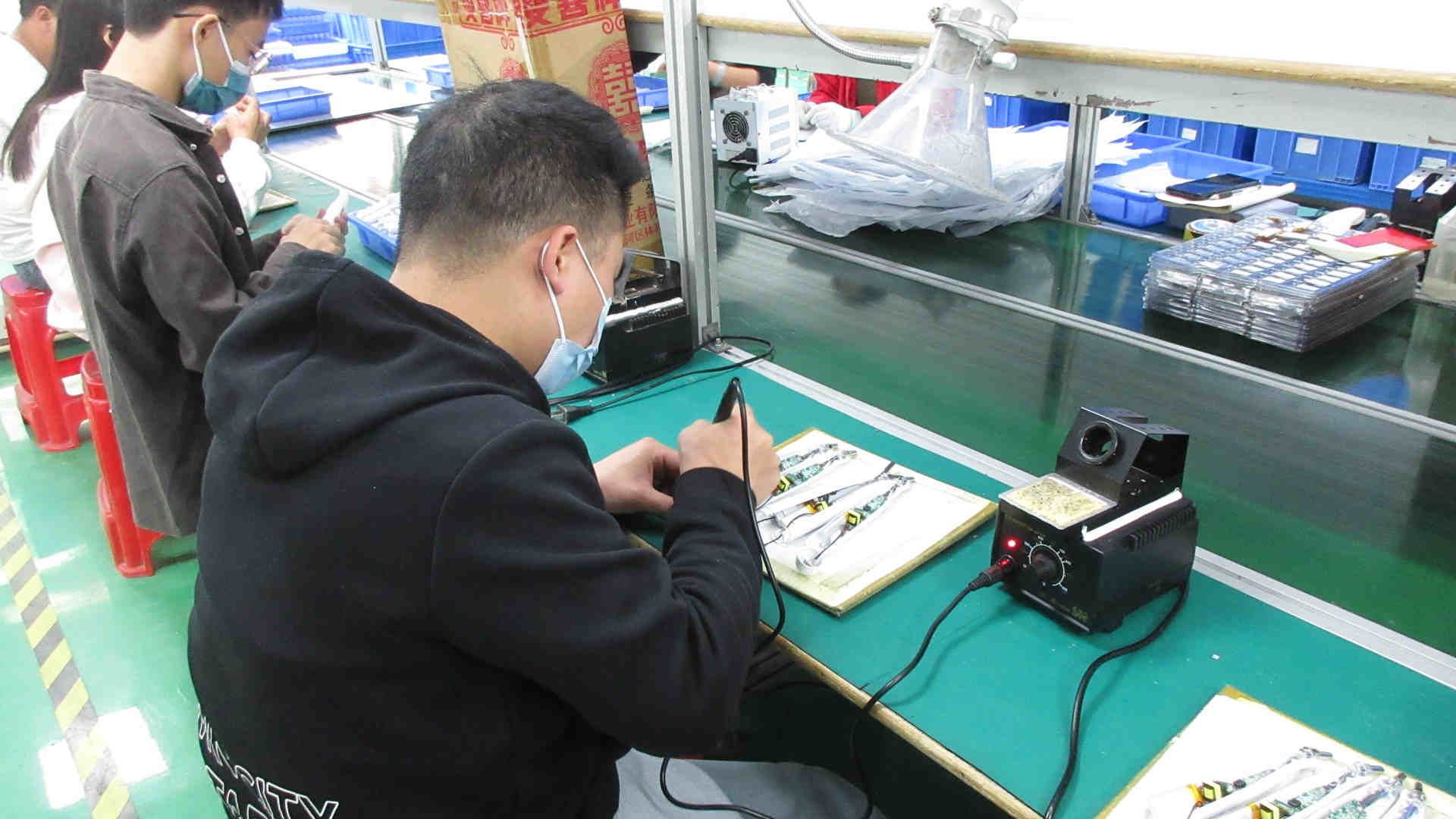
5. Precision Welding
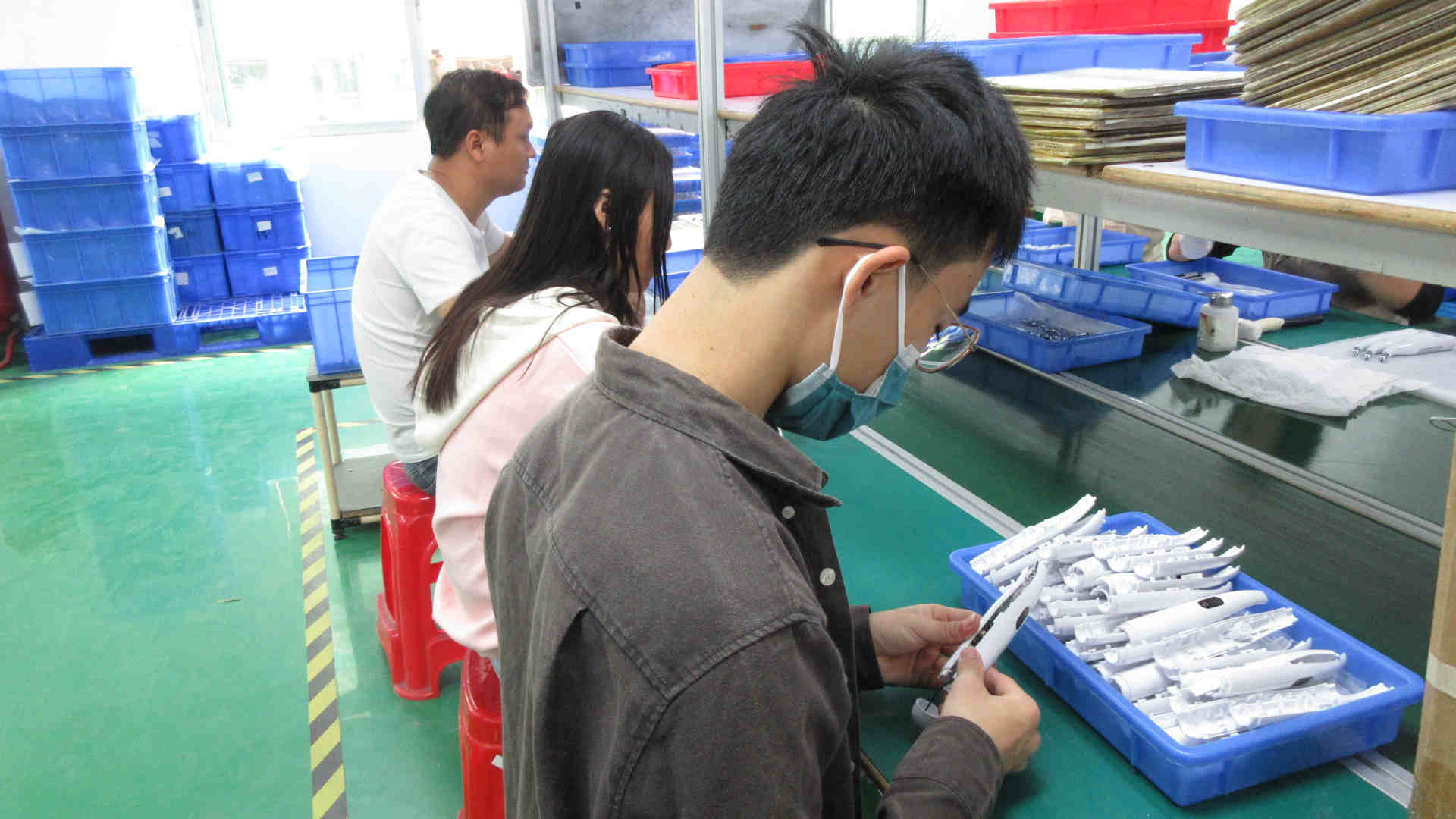
6. Shell Assembly
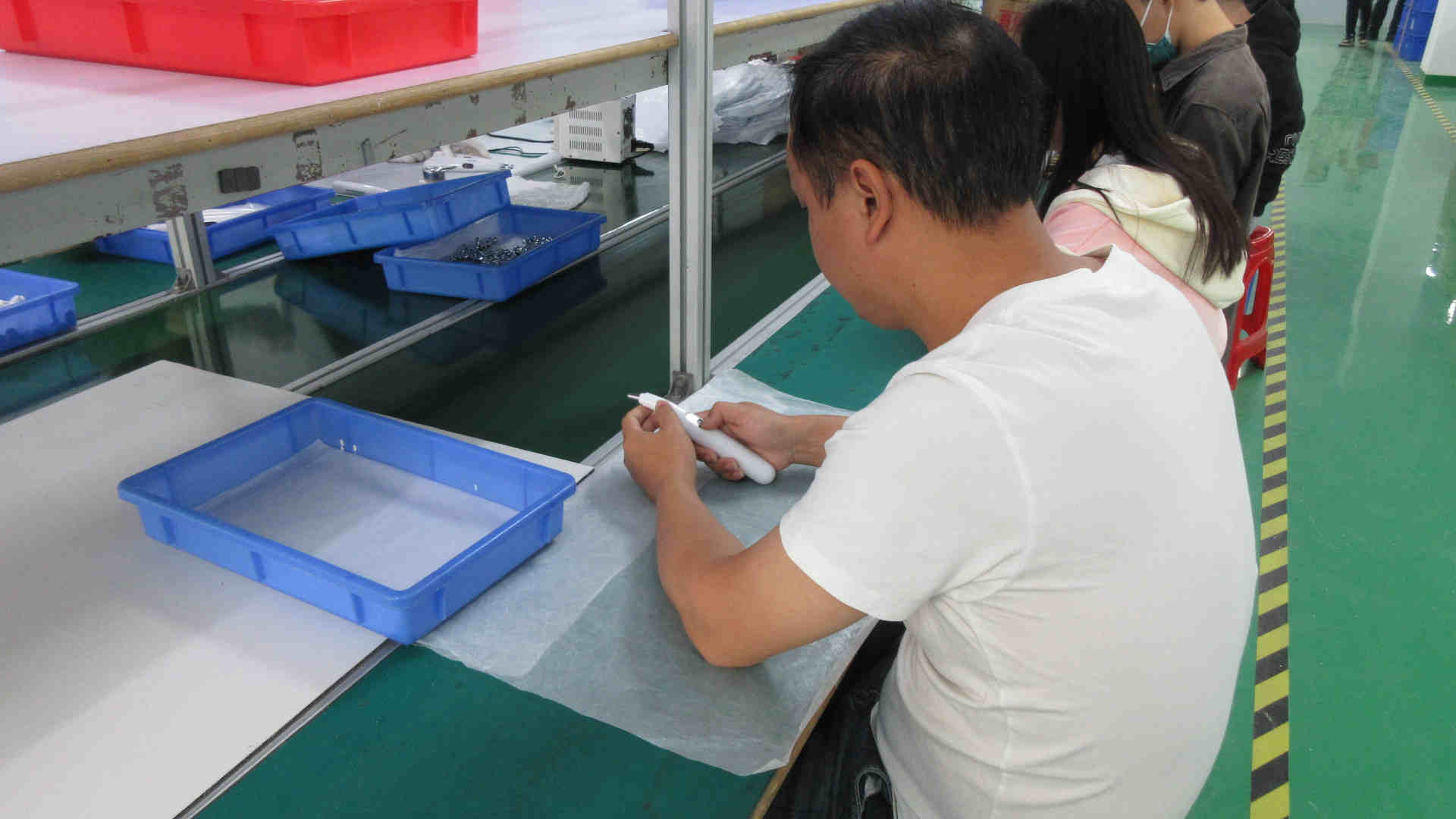
7. Functional Testing
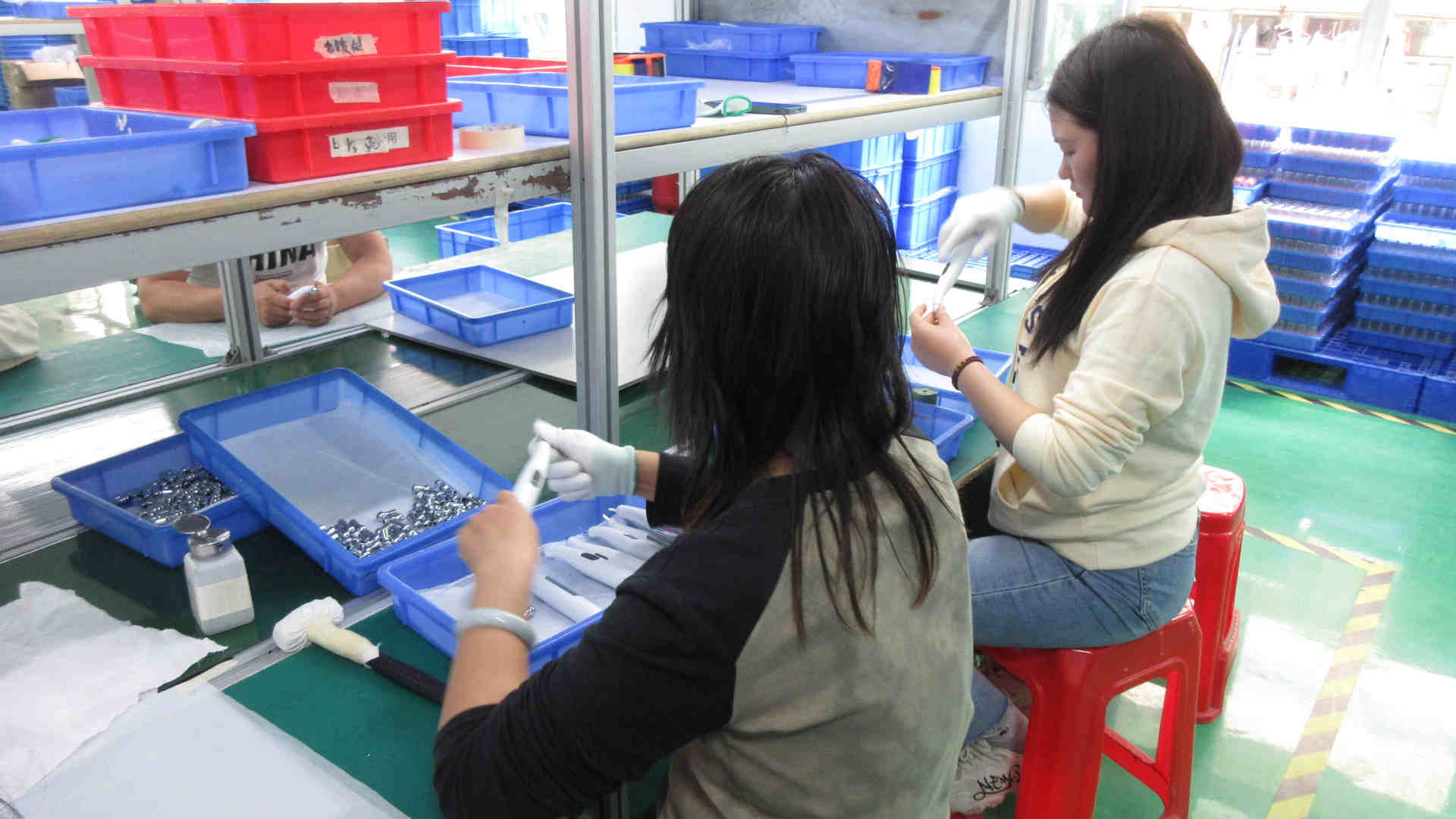
8. Final Calibration
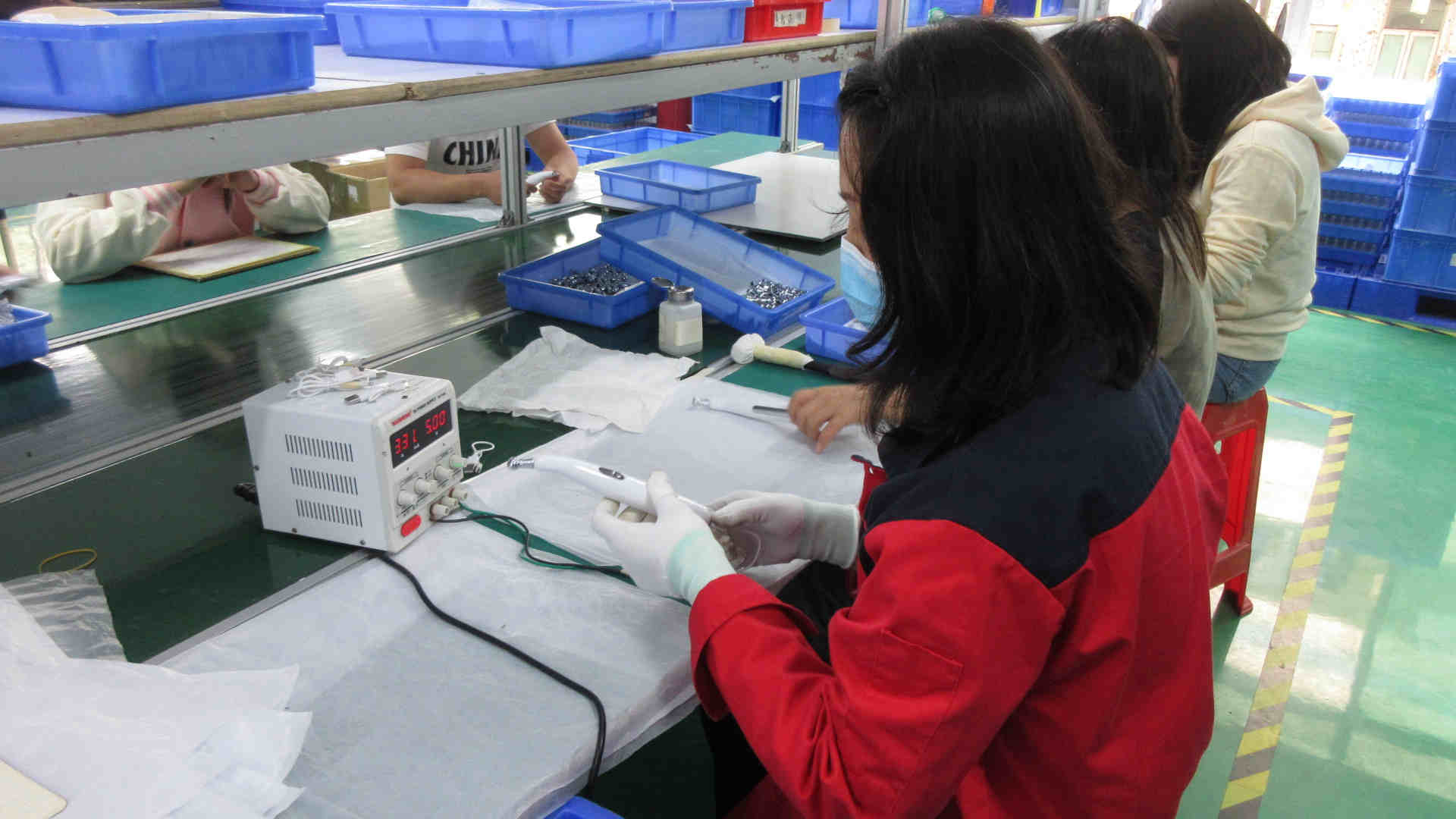
9. Stress & Endurance
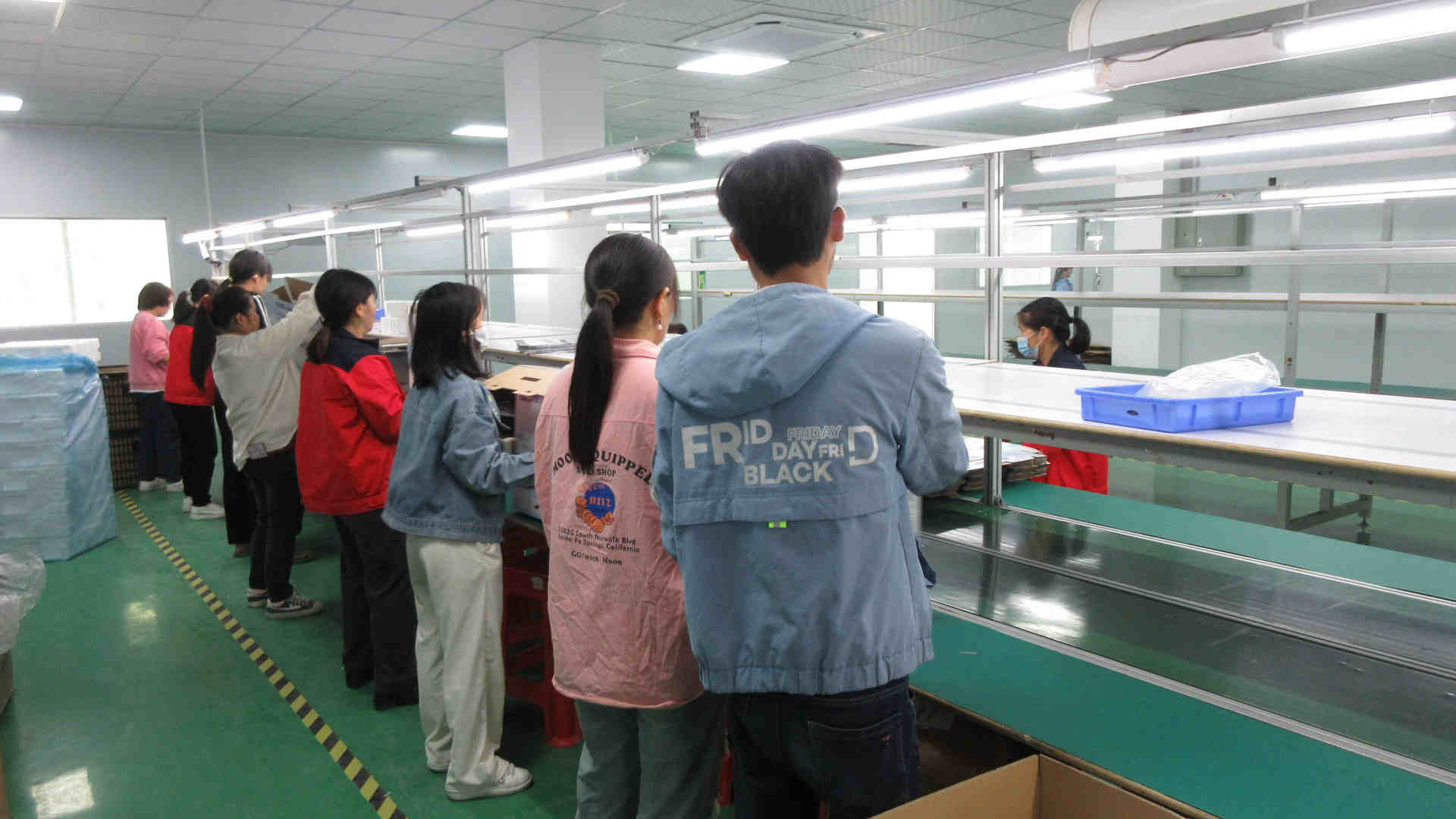
10. Sterile Packaging
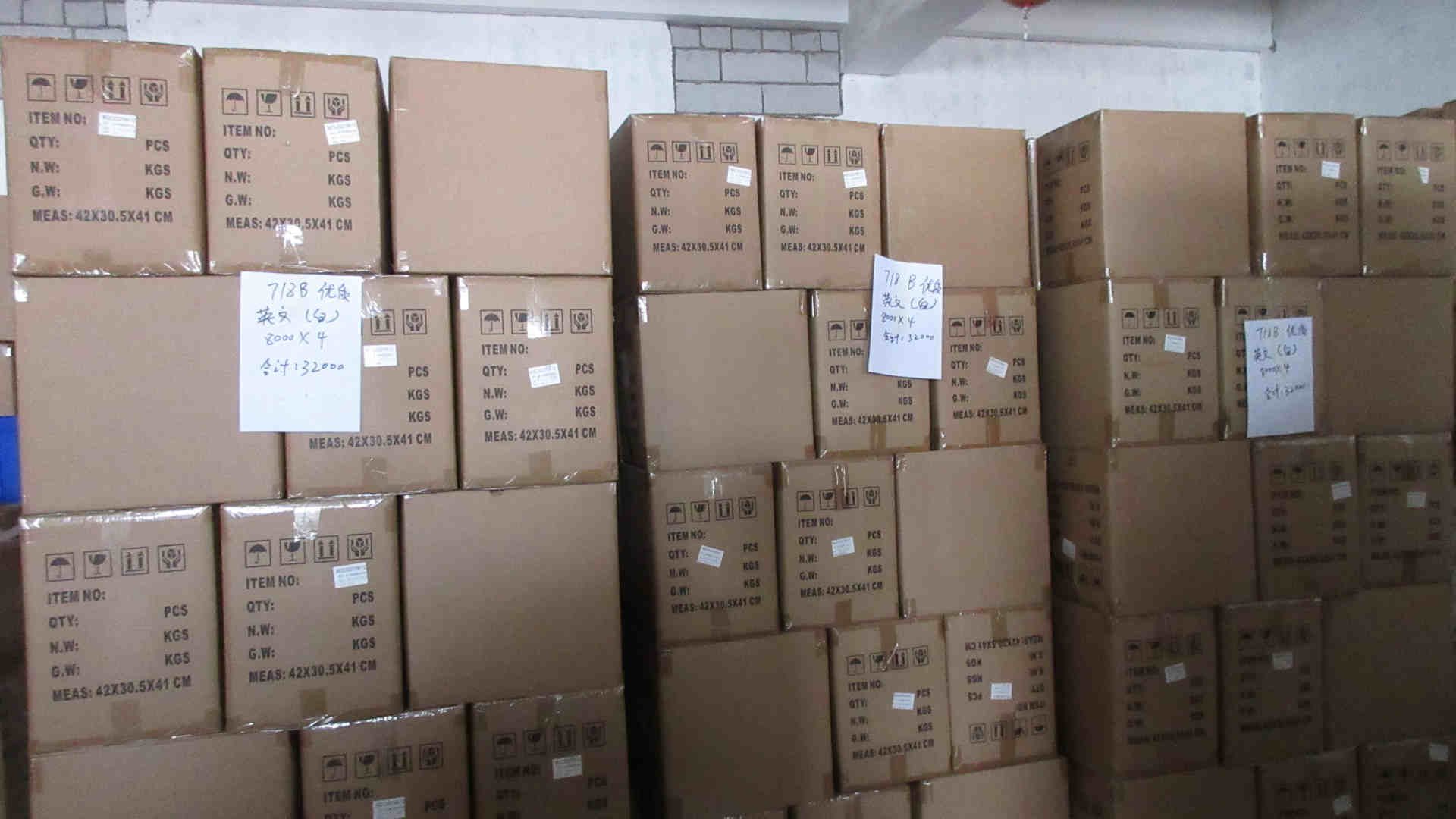
11. Packed Goods QA
A detailed look at the customizable configurations and manufacturing specifications available for global brands.
Purchasing departments require detailed engineering options to differentiate their products in competitive markets. Our factory handles custom microneedle design across several key areas:
| Specification Parameter | Standard OEM Configuration Options | Medical/Technical Significance |
|---|---|---|
| Needle Cartridge Formats | 12-pin, 24-pin, 36-pin, 42-pin, Nano-silicon, Round Nano | Enables targeting varied conditions: from deep scarring (12-pin) to superficial hydration infusion (Nano). |
| Needle Raw Material | 316L Surgical Stainless Steel, Grade 5 Titanium Alloy | Prevents corrosion and maintains tip sharpness, minimizing epidermal micro-tearing. |
| Needle Thickness (Gauge) | 30G (0.3mm), 32G (0.25mm), 33G (0.2mm), 34G (0.15mm) | Thinner gauges reduce pain levels and speed up post-procedure recovery. |
| Dermal Depth Range | 0.0mm - 2.5mm (Micro-adjustable to 0.1mm increments) | Enables precise control, allowing safe operation from the thin stratum corneum to thick scar tissue. |
| Chassis/Shell Materials | 6061-T6 Aircraft Aluminum, Medical-Grade Polycarbonate / ABS | Provides durability, allows clinical disinfection, and reduces user fatigue. |
| Power Systems | Dual Li-Polymer Rechargeable Batteries (500mAh - 800mAh), Direct AC drive | Ensures consistent torque, preventing needle stalling when penetrating tough skin. |
| Sanitary Assurance | Anti-backflow medical membrane, individual EO gas sterilized blisters | Prevents cross-contamination risks and meets strict health regulations. |
Our needle tips undergo electrochemical polishing and cleanroom assembly. This prevents micro-burrs and reduces patient discomfort.
Custom-engineered internal drive systems deliver consistent needle movement, avoiding lateral tearing or skin dragging during treatment.
All cartridge configurations are packaged in medical-grade blister packs and undergo validated Ethylene Oxide (EO) gas sterilization processes.
How distinct buyers utilize our customizable aesthetic tech platform to solve operational challenges.
The Challenge: High consumption rates of disposable cartridges can squeeze clinic margins, while varying practitioner techniques lead to inconsistent patient outcomes.
Our Solution: We provide customizable, bulk-packaged cartridges with color-coded needle rings. This ensures clear depth selection, reduces cross-contamination risk, and lowers per-treatment costs for multi-clinic networks.
The Challenge: High competition on digital marketplaces makes standard products hard to scale, while high return rates stem from complicated user interfaces.
Our Solution: We build tailored industrial designs featuring customized ergonomic housings, custom LED indicator screens, and complete gift packaging. Easy-to-understand starter kits help reduce customer friction and return rates.
The Challenge: Topical serums have low transdermal absorption rates, making it difficult to demonstrate quick clinical results to end-users.
Our Solution: We offer custom microneedle devices bundled with your skincare line. This synergy enhances active ingredient absorption by up to 80%, driving faster results and boosting customer repeat purchases.
Technical answers to critical regulatory, structural, and logistical questions from global purchasing agents.
Our factory runs under a strict quality management system designed to meet international standards. We perform comprehensive quality checks on all components (incoming materials, semi-finished assemblies, functional performance, and end-of-line packaging). This helps ensure our devices conform to key directives like CE, RoHS, and FCC, facilitating smooth customs clearance in Europe and North America.
Sterility is critical. Our cartridges are assembled in controlled environments, sealed in medical-grade Tyvek blister packs, and processed using Ethylene Oxide (EO) gas sterilization. Each production run includes chemical indicator verification, and batches are held until laboratory testing confirms sterile barriers are intact.
For standard logo printing and custom color schemes on existing chassis designs, our MOQ typically starts at 100 to 500 units. For complete ODM custom molding (which requires tooling design and new PCBA configurations), MOQs generally range from 1,000 to 2,000 units. We offer staged development options to help balance launch timelines and upfront tooling investments.
To prevent performance drop-off during treatment, we select high-torque, coreless micro-motors and run automated burn-in tests on every batch. Additionally, our PCB control units feature active feedback loops. These loops automatically adjust power delivery when resistance is met, ensuring a constant operating speed across all skin types.
We provide a 1-year comprehensive factory warranty on all mechanical and electronic control units. For long-term logistics convenience, we also supply replacement components or reserve device quantities alongside your order. This helps minimize downtime and ensures a responsive repair or replacement process.
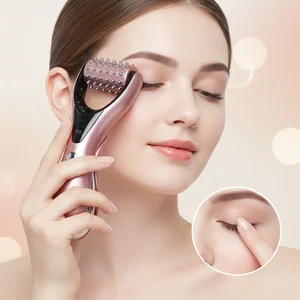
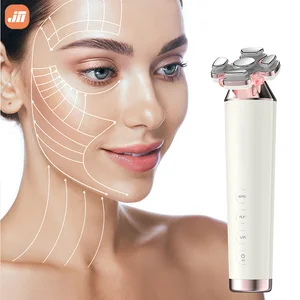
Expand your clinic offerings with our comprehensive line of light therapy systems, microcurrent rollers, and advanced body rejuvenation equipment.
 Kelli Beauty