Many people enjoy the clean, polished feeling after using a sonic cleansing brush. However, that smooth sensation can quickly become tightness, flaking, or mild stinging. If you are asking, “why does my skin feel dry after using sonic cleansing brush,” the answer may involve several factors.
Sonic vibration can loosen oil, makeup, and surface buildup, but frequent use may also remove protective skin lipids. A harsh cleanser, hot water, or excessive pressure can worsen the problem. I have noticed that even a gentle brush feels irritating when used on already sensitive skin. Small details matter, including a rough brush head, long cleansing sessions, and skipping moisturizer afterward. Sometimes, the brush is not the only cause.
Dermatologists commonly recommend gentle cleansing, limited exfoliation, and prompt moisturizing for a weakened skin barrier. Look for fragrance-free products containing ceramides, glycerin, or hyaluronic acid. Use lukewarm water, soft movements, and a clean brush head. Keep it brief. Stop if burning continues.
This guide examines common causes of post-cleansing dryness and explains how to adjust your routine safely. It also considers less obvious issues, such as seasonal humidity, acne treatments, and naturally dry skin. A sonic brush may work well for one person but feel too intense for another. That difference deserves attention. Persistent redness, cracking, swelling, or painful irritation should be assessed by a qualified healthcare professional. Personal experience can offer clues, but it cannot replace individualized medical advice.
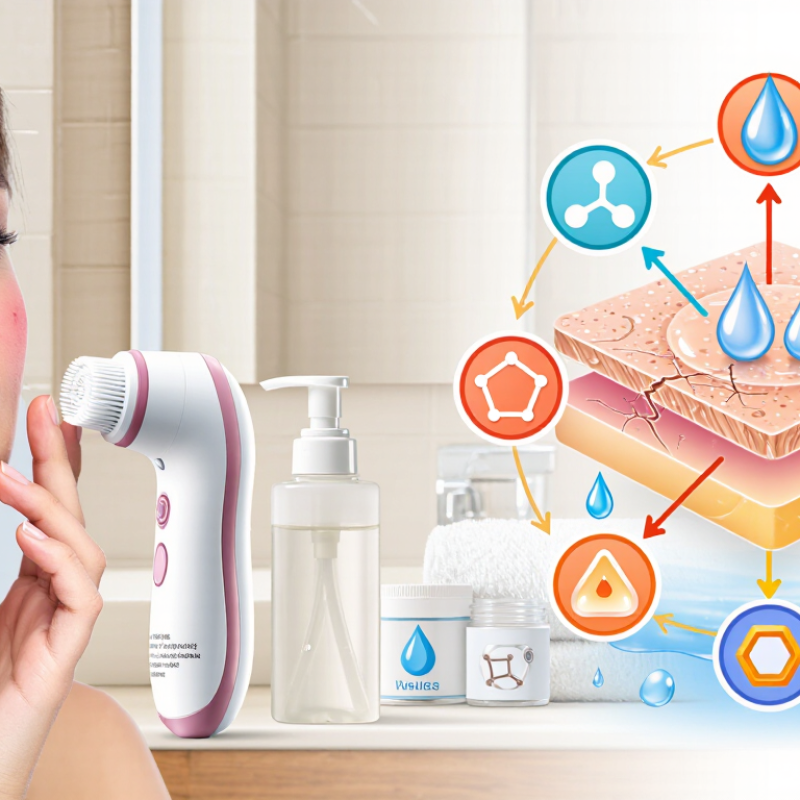
A sonic cleansing brush combines vibration, water, cleanser, and repeated contact. It can remove sunscreen, oil, and loose surface cells more effectively than fingers alone. However, stronger cleaning is not always healthier cleaning. Frequent passes may disturb the stratum corneum, the outer barrier that limits water loss. Harsh cleansers can worsen this effect. My first assumption would be that dryness means “deep cleaning.” That assumption is often wrong.
When the barrier becomes stressed, skin may feel tight after rinsing. You might notice rough patches, mild stinging, or small flakes around the nose and cheeks. These signs suggest increased water loss or irritation, not necessarily an allergy. Pressure, long cleansing sessions, hot water, and using the brush twice daily can all contribute. Even healthy skin can react. Sensitive or eczema-prone skin may need extra caution.
Tips: Use lukewarm water and a fragrance-free, gentle cleanser. Let the brush glide lightly; do not scrub. Start every other day for less than one minute. Apply a moisturizer containing glycerin, ceramides, or petrolatum while skin is slightly damp. Stop using the brush if burning or redness appears. Give your skin time to recover. If dryness persists, cracks develop, or itching becomes intense, consult a qualified dermatologist. A softer routine may feel less satisfying, but it often protects the barrier better.
A sonic cleansing brush can leave skin tight when cleansing becomes too aggressive. Pressing hard may create friction and remove protective oils. Faster is not always cleaner. Using the brush too often can also disturb the skin barrier, especially on dry or sensitive skin. I once assumed longer brushing meant better results. It only made my cheeks feel rough.
Your cleanser may be part of the problem. Foaming formulas with strong surfactants can increase dryness when combined with mechanical movement. Hot water makes this effect worse. Exfoliating acids, retinoids, or scrubs may also cause irritation when used alongside a brush. The combination can be too much, even if each product feels comfortable alone. Pay attention to stinging, peeling, redness, or tightness after washing.
Try lighter pressure and shorter sessions. Let the device glide without pushing it into the skin. Use lukewarm water and a gentle, fragrance-free cleanser. Moisturize within a few minutes, while the skin is still slightly damp. Clean the brush head regularly, since residue and buildup may irritate your face. Consider pausing the brush for several days. If dryness continues, becomes painful, or develops into cracking, seek advice from a qualified dermatologist. Skin can be unpredictable. Adjust slowly, and question routines that promise instant perfection.
Why Is My Skin Dry After Using a Sonic Cleansing Brush?
A sonic brush can leave tight, flaky skin when its settings exceed your skin’s tolerance. High speed, firm pressure, and long sessions increase friction, especially around the cheeks and nose. Use the lowest comfortable setting, keep the brush moving, and limit cleansing to about 60 seconds. Your skin should feel clean, not squeaky. That squeaky feeling may signal excess oil removal.
Cleansing products matter just as much. Strong foaming agents, fragrance, alcohol, exfoliating acids, or abrasive particles can weaken the skin barrier when combined with mechanical cleansing. The American Academy of Dermatology recommends a gentle, non-abrasive cleanser, lukewarm water, and moisturizer after washing. Apply moisturizer while the skin is still slightly damp. Small detail, big difference.
The National Eczema Association reports that about 31.6 million Americans have eczema, and sensitive barriers may react faster to friction and detergents. A brush is not automatically harmful, but daily use may be too much for dry or reactive skin. Try using it two or three times weekly, then observe redness, stinging, and tightness for several days. I would not assume every dry patch comes from the device. Weather, hot showers, medication, and over-exfoliation can also contribute. If burning or scaling continues, stop the brush and seek advice from a qualified dermatologist.
Why Is My Skin Dry After Using a Sonic Cleansing Brush?
Steps to Restore Moisture and Prevent Further Irritation
Dryness after using a sonic cleansing brush often means your skin barrier needs recovery. The brush may not be the only cause. Warm water, strong cleansers, long sessions, or daily exfoliation can remove protective oils. Tightness, stinging, rough patches, and fine flakes are common warning signs. It is easy to assume that cleaner skin is healthier skin. That assumption can backfire.
Pause the brush for several days, especially if your face feels sore. Rinse with lukewarm water, not hot water, and use a gentle, fragrance-free cleanser. Pat your skin dry with a clean towel. Leave it slightly damp. Then apply a moisturizer containing ceramides, glycerin, or hyaluronic acid. Seal very dry areas with a thin protective ointment at night. Keep the routine boring for now.
When irritation settles, restart slowly. Use the brush once weekly with light pressure and a short contact time. Avoid combining it with scrubs, exfoliating acids, or retinoids on the same day. Replace a worn brush head, and clean it thoroughly after use. I would not ignore persistent burning. If redness, swelling, cracking, or itching continues, seek advice from a qualified dermatologist. Skin can look calm while remaining fragile underneath. Test changes gradually, and notice how your face feels the next morning.
| Skin Concern or Step | What May Be Happening | Recommended Action | Practical Timing or Indicator |
|---|---|---|---|
| Dryness or tightness immediately after cleansing | Frequent cleansing, vigorous pressure, hot water, or a harsh cleanser may remove surface oils and increase water loss from the outer skin layer. | Pause the brush temporarily. Wash with lukewarm water, use a gentle fragrance-free cleanser, and avoid scrubbing. | Skin should feel comfortable rather than squeaky, tight, or stretched after washing. |
| Redness, stinging, or burning | Mechanical friction or an irritating cleanser can temporarily disrupt the skin barrier and trigger irritation. | Stop brush use and irritating products, including exfoliating acids, scrubs, and retinoids, until the skin settles. | Seek medical advice if pain, swelling, blistering, or worsening redness develops. |
| Flaking or rough texture | The outer barrier may be dehydrated or irritated; additional exfoliation can make flaking worse. | Do not peel or exfoliate the flakes. Apply a bland moisturizer while the skin is slightly damp. | Reapply moisturizer whenever the skin feels dry, especially after washing. |
| Moisture restoration | Humectants attract water, while emollients and occlusive ingredients help smooth and reduce water loss. | Choose a fragrance-free moisturizer containing ingredients such as glycerin, hyaluronic acid, ceramides, or petrolatum. | Apply within a few minutes after cleansing to help retain moisture. |
| Cleansing frequency | Cleansing too often can increase dryness, particularly for sensitive or dry skin. | Use the mildest routine that removes sunscreen, makeup, sweat, and excess oil. Consider cleansing once in the evening if morning cleansing causes dryness. | Adjust based on comfort, climate, activity level, and skin type. |
| If the brush is used again | A brush may add unnecessary friction when the skin barrier is already irritated. | Restart only after the skin is comfortable. Use light pressure, a short session, and the lowest effective setting; never use it on broken or inflamed skin. | Stop again if tightness, burning, persistent redness, or increased flaking returns. |
| Product and tool hygiene | Residue or microbial buildup on a damp cleansing tool may contribute to irritation or breakouts. | Rinse the brush thoroughly, allow it to dry completely, and follow the device’s cleaning instructions. Do not share it. | Replace worn or damaged brush heads according to the manufacturer’s instructions. |
| When to consult a dermatologist | Persistent irritation may indicate contact dermatitis, eczema, rosacea, or another condition rather than simple dryness. | Arrange professional evaluation if symptoms are severe, recurrent, spreading, infected-looking, or do not improve after stopping the irritating routine. | Urgent care is appropriate for facial swelling, breathing difficulty, extensive blistering, or signs of serious allergic reaction. |
Dryness after using a sonic cleansing brush often signals a damaged skin barrier, not better cleansing. The American Academy of Dermatology Association advises stopping irritating products when burning, peeling, or cracking appears. Continued friction can worsen water loss, especially on thin cheek skin. A tight, hot feeling after washing is a warning sign.
Stop using the brush immediately if swelling, hives, blistering, bleeding, or intense pain develops. Seek urgent medical care for facial swelling or breathing difficulty. Arrange a dermatology appointment when redness lasts several days, symptoms spread, or moisturizer repeatedly stings. The National Eczema Association identifies dryness, itch, and irritation as common concerns in eczema communities, but a brush cannot diagnose eczema. I once assumed more vibration meant cleaner skin. That assumption was wrong.
Tips: Wash with lukewarm water and a fragrance-free cleanser. Pat gently, leaving the skin slightly damp. Apply a plain moisturizer within three minutes. Avoid scrubs, acids, retinoids, and hot water until the barrier feels comfortable. If you restart, use the lowest setting once weekly, without pressing. Stop again if tightness returns. Personal experience can help, but it cannot replace an examination. Professional guidance matters when symptoms persist or the cause remains unclear.
Pressing too hard can create friction and remove protective oils. Faster is not always cleaner. Your cheeks may feel tight or rough afterward.
Yes. Frequent brushing may increase dryness, especially with sensitive or already dry skin. I once thought longer sessions worked better. I was wrong.
Choose a gentle, fragrance-free cleanser. Strong foaming ingredients may worsen dryness during mechanical cleansing. Hot water can intensify the problem.
Pause scrubs, exfoliating acids, retinoids, and other irritating products. Combining them with brushing may cause stinging, peeling, or redness. Keep the routine simple.
Use light pressure and short sessions. Let the brush glide across your skin. Start with the lowest setting once weekly.
Rinse with lukewarm water and pat gently. Leave your skin slightly damp. Apply a plain moisturizer within a few minutes.
Stop immediately if swelling, hives, blistering, bleeding, or intense pain appears. Stop when tightness repeatedly returns. Do not push through worsening symptoms.
Arrange a dermatology appointment if redness lasts several days or symptoms spread. Seek urgent care for facial swelling or breathing difficulty. Persistent dryness deserves attention.
A sonic cleansing brush can help lift away oil, sunscreen, and surface debris, but its vibrations and repeated movement may temporarily weaken the skin barrier, especially when used too often or with too much pressure. If you are wondering, “why does my skin feel dry after using sonic cleansing brush,” common causes include over-cleansing, hot water, long brushing sessions, high intensity, a worn or rough brush head, or a cleanser that removes too much natural oil. Dryness may also be more noticeable when the skin is already sensitive, dehydrated, or exposed to harsh weather.
To restore moisture, pause or reduce brush use, choose a gentle cleanser, keep the water lukewarm, and apply a fragrance-free moisturizer while the skin is still slightly damp. Use the lowest comfortable setting and avoid scrubbing irritated areas. If tightness, burning, redness, peeling, or itching continues, stop using the brush and seek advice from a qualified skincare professional or healthcare provider.

Kelli Beauty