Why Does an LED Mask Take So Long to Work on Wrinkles?
The question “how long does it take for led mask to work on wrinkles” has no universal answer. Most users should not expect visible changes after one session. LED therapy uses specific wavelengths of light to support cellular activity and may encourage collagen production over time. That process is gradual, not instant.
Small improvements may appear after several weeks of consistent use. More noticeable changes often require eight to twelve weeks, depending on the device, treatment schedule, and wrinkle depth. Fine lines may soften first. Deeper creases usually take longer. Sometimes, the result is subtle.
Clinical findings support LED therapy as a noninvasive option for improving certain signs of skin aging. However, results can vary widely. Skin type, age, sun exposure, sleep, smoking history, and daily sunscreen use all matter. Device quality matters too. A mask with unclear wavelengths or weak power may deliver disappointing results.
Consistency matters most.
Using a mask occasionally may not provide enough exposure for meaningful change. Follow the manufacturer’s instructions, protect your eyes, and avoid assuming that longer sessions will work faster. More light is not always better. Dermatologists may also recommend combining LED therapy with proven skincare ingredients, depending on individual needs.
It is easy to overestimate early results. Better lighting can make skin appear smoother, while dryness can make wrinkles look deeper. Progress photos taken under the same light can provide a more reliable comparison. LED masks may help, but they are not magic. A realistic timeline, careful use, and professional advice create safer expectations.
Why Does an LED Mask Take So Long to Work on Wrinkles?
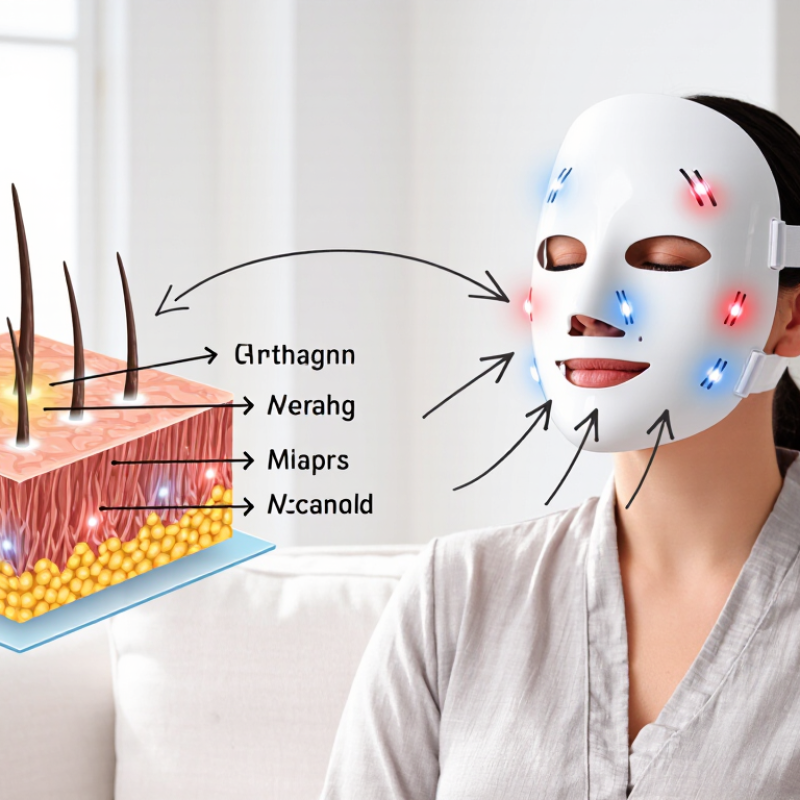
LED light therapy interacts with wrinkle-prone skin gradually. Red and near-infrared wavelengths can reach living skin cells without burning the surface. They may support cellular energy production and help regulate mild inflammation. Some studies also associate repeated treatment with improved collagen activity. The skin still needs time to build and organize new structural proteins.
Visible change rarely happens after one session. Skin cells work in cycles, not on a quick schedule. Fine lines may appear softer after several weeks of consistent use. Deeper wrinkles usually require longer observation. Daily sunlight, dehydration, smoking, and poor sleep can also influence the result. The mask cannot cancel those factors.
Consistency matters more than intensity. Follow the device instructions and protect your eyes when required. Clean, dry skin usually makes treatment easier to repeat. I once expected a dramatic mirror change within days. That expectation was unrealistic. A better approach is taking monthly photos under the same light. Even then, photos can mislead. Facial expressions and camera angles change easily. LED therapy may support healthier-looking skin, but it is not a guaranteed wrinkle remover. If irritation, unusual redness, or eye discomfort appears, stop using it and seek qualified medical advice.
LED light therapy may trigger cellular signaling within hours, but visible wrinkle improvement generally takes much longer. Skin barrier regulation can require several weeks, while fibroblast activity, collagen production, and extracellular-matrix remodeling commonly develop over approximately 4–12 weeks. Results vary with age, skin condition, treatment consistency, and wrinkle depth.
Why Does an LED Mask Take So Long to Work on Wrinkles?
Why Collagen Production Requires Time After LED Treatment
LED treatment does not fill wrinkles instantly. Red and near-infrared light may support cellular activity in the skin. This process can encourage fibroblasts to produce collagen, but collagen formation is biological work, not surface makeup. Cells need time to respond, create new proteins, and organize them within the skin’s structure.
The timeline is gradual. Many people may notice improved softness or brightness before seeing changes in fine lines. Visible wrinkle improvement often requires several weeks of consistent treatment, sometimes around eight to twelve weeks. Results depend on light wavelength, treatment frequency, skin age, sun exposure, and the depth of existing wrinkles. The device’s instructions still matter.
Consistency matters more than intensity. Do not assume longer sessions will produce faster collagen. Overuse may irritate sensitive skin, especially when combined with strong exfoliants or retinoids. A clean, dry face and regular sunscreen use can support the process. Take photos under the same window light each month. Small changes are easier to detect that way.
The frustrating part is expectation. I want visible results after one session, but skin rarely works on that schedule. Research on home LED devices is promising, though study sizes and treatment methods differ. A dermatologist can help assess persistent wrinkles or unexpected irritation. Some results may be subtle, and that is worth acknowledging.
An LED mask rarely creates an overnight change. Skin biology moves more slowly than a polished advertisement suggests. Red and near-infrared light may support cellular activity and collagen-related repair, but these processes require repeated exposure. Results also depend on age, sun damage, sleep, hormones, and daily skincare. Everyone’s timeline differs.
During the first two weeks, visible changes can remain subtle. Skin may look slightly brighter or feel less dry after treatment. That is not wrinkle reduction. From weeks three to six, fine lines may appear softer, especially across the forehead or around the eyes. Compare monthly photos in similar lighting. A bathroom mirror can mislead you.
Between weeks six and twelve, gradual collagen remodeling may make shallow lines less noticeable. Deeper wrinkles usually change slowly, if they change at all. Consistency matters more than extending treatment sessions. Follow the device instructions and use eye protection as directed. Stop if persistent redness or discomfort develops, then seek professional advice. I would question any promise of dramatic results within days. Missing sessions, changing products, and different lighting can distort your judgment. LED therapy may complement sunscreen and gentle skincare, but it cannot erase every wrinkle. Progress is often uneven and easy to overestimate.
An LED mask rarely changes wrinkles after one session. Skin cells need repeated light exposure, repair time, and steady collagen activity. Wavelength matters. Red light may support surface renewal, while near-infrared light reaches deeper tissue. However, stronger light is not automatically better. Dose, distance, and treatment duration all influence results.
A clinical study in Dermatologic Surgery followed 76 adults using 633 and 830 nanometer LED treatments twice weekly for four weeks. About 95% reported better skin appearance, while independent photographic reviews found improvement in 81% of participants. The study used a professional LED array, not every home mask. That difference matters.
Your starting point also affects speed. Deep wrinkles, heavy sun exposure, smoking history, and lower skin elasticity can slow visible changes. Consistency is often the practical problem. Missing several sessions can weaken the routine’s effect. Clean skin and close contact may improve light delivery, but eye protection and device instructions remain essential.
Most people should judge progress through monthly photos, not daily mirror checks. Subtle texture changes are easy to misread. Some users expect dramatic lifting, which current evidence does not support. A 2023 review in Photodermatology, Photoimmunology & Photomedicine also described LED evidence as promising but limited by small studies and inconsistent protocols. The waiting feels frustrating. The science is still incomplete.
Why Does an LED Mask Take So Long to Work on Wrinkles?
LED masks require patience because skin changes gradually. Red and near-infrared light may support cellular activity and collagen production over time. It cannot erase wrinkles after one session. Visible improvement often takes eight to twelve weeks of consistent use, depending on age, skin condition, and device quality.
Use the mask on clean, completely dry skin. Remove makeup, sunscreen, and oily creams first. Follow the device instructions for session length and frequency. More time is not automatically better. Protect your eyes when the instructions require it, and never stare directly into bright LEDs. Keep the mask clean with a soft, slightly damp cloth. Avoid sharing it, especially when skin is irritated.
Consistency matters more than enthusiasm. Choose a realistic schedule, such as three sessions weekly, and record simple monthly photos in the same light. Results can be subtle. That is normal. Avoid LED treatment over open wounds, active infections, or severe inflammation. Ask a qualified healthcare professional before use if you have an eye condition, light-sensitive skin, or take photosensitizing medication. Stop if you notice pain, swelling, blistering, or lasting redness.
A missed week does not ruin progress. Still, irregular use makes results harder to judge. The honest part is that LED masks are not equally effective for everyone. Temperature, fit, treatment strength, and expectations can all change the outcome.
| Data dimension | Evidence-based guidance | What it means for wrinkle results | Safe-use note |
|---|---|---|---|
| Primary light types | Red light is commonly used in the approximate 620–700 nm range. Near-infrared devices commonly use approximately 700–1,100 nm. | Different wavelengths penetrate to different depths, so results vary by device design and treatment protocol. | Use only the wavelengths and instructions specified for the device. More light is not automatically better. |
| Why results are gradual | LED therapy does not physically fill wrinkles. Proposed effects include changes in cellular signaling, inflammation, and collagen-related activity. | Skin remodeling is a biological process that develops over weeks rather than hours or a few days. | Avoid judging effectiveness after only one or two sessions. |
| First visible changes | Some users may notice improved skin comfort, temporary brightness, or a more even appearance within several weeks. | Early changes may reflect surface appearance and hydration rather than a measurable reduction in wrinkle depth. | Take photographs under the same lighting and camera angle to compare progress fairly. |
| Typical evaluation period | Many cosmetic light-therapy studies evaluate outcomes after roughly 8–12 weeks of repeated treatment, although protocols differ. | A fair assessment usually requires consistent use for at least two to three months. | Individual results vary with age, baseline skin condition, sun exposure, and device output. |
| Common treatment frequency | Home-use protocols commonly range from about 3–5 sessions per week, depending on the device instructions. | Regular exposure is generally more important than occasional long sessions. | Do not increase session length or frequency to compensate for missed treatments. |
| Typical session duration | Many home masks are designed for approximately 10–20 minutes per session, but the correct duration depends on irradiance and the manufacturer’s instructions. | Treatment dose depends on both light intensity and exposure time, not time alone. | Stop if you develop persistent heat, pain, marked redness, swelling, or eye discomfort. |
| Best routine for consistency | Cleanse and dry the skin, use the mask on bare skin unless the instructions say otherwise, and schedule sessions on fixed days. | A simple routine makes it easier to complete the repeated treatments used in clinical studies. | Apply moisturizer after treatment if needed. Use broad-spectrum sunscreen during the day. |
| Eye protection | Bright LEDs may cause discomfort or visual symptoms in sensitive users, even when a device is intended for facial use. | Eye safety is separate from wrinkle effectiveness and should not be overlooked. | Follow the device’s eye-protection instructions. Do not use it if you have unexplained eye symptoms. |
| Medication and skin sensitivity | Some medicines and conditions can increase sensitivity to light, including certain photosensitizing drugs and disorders involving abnormal light reactions. | Irritation or sensitivity may interrupt treatment and make results harder to evaluate. | Ask a qualified healthcare professional before use if you take photosensitizing medication or have a light-sensitive condition. |
| Maintenance after improvement | Benefits may require ongoing maintenance because normal aging and environmental exposure continue. | Stopping treatment may reduce the ability to maintain gradual cosmetic improvements. | Follow the recommended maintenance schedule rather than using the mask excessively. |
| Factors that can limit results | Deep static wrinkles, substantial sun damage, smoking, poor sleep, and inconsistent sunscreen use may reduce or conceal visible improvement. | LED therapy is best viewed as a gradual supportive skincare treatment, not an instant wrinkle eraser. | Combine a consistent routine with sun protection and other evidence-based skincare recommended for your skin. |
Important: LED mask performance varies by wavelength, irradiance, treatment distance, dose, and study design. The information above is general educational guidance and does not replace professional medical advice.
Skin cells respond gradually. Red and near-infrared light may support cellular energy and collagen activity. New proteins need time to form and organize. Not overnight.
Softness or brightness may appear before wrinkle changes. Fine lines may look softer after several weeks. Deeper wrinkles can require eight to twelve weeks, or longer.
No. One session rarely creates a noticeable change. LED therapy may support healthier-looking skin, but it is not a guaranteed wrinkle remover.
Not necessarily. Consistency usually matters more than intensity. Longer sessions may irritate sensitive skin instead of speeding collagen production. Follow the device instructions carefully.
Sun exposure, dehydration, smoking, poor sleep, skin age, and wrinkle depth can influence results. The mask cannot cancel these factors. That matters.
Take monthly photos near the same window. Keep the lighting, distance, and facial expression similar. Camera angles can mislead you. Small changes count.
Use clean, dry skin unless the instructions say otherwise. Protect your eyes when required. Combining treatment with strong exfoliants or retinoids may increase irritation.
Stop treatment if unusual redness, irritation, or eye discomfort appears. Seek qualified medical advice. I once expected rapid mirror results, but that expectation was unrealistic.
LED light therapy works gradually by delivering specific wavelengths of light to wrinkle-prone skin, where it may support cellular activity and encourage the natural processes involved in collagen and elastin production. Because collagen renewal happens beneath the skin’s surface, results do not appear immediately. If you are wondering, “how long does it take for led mask to work on wrinkles,” the answer varies, but subtle changes may become noticeable after several weeks of consistent use, while more visible improvement often requires a few months.
The progression typically begins with improved skin comfort and texture, followed by a smoother appearance and softened fine lines. Results can be influenced by age, skin condition, lifestyle, skincare habits, treatment frequency, and the severity of existing wrinkles. To use an LED mask safely, follow its instructions, keep sessions consistent, protect your eyes when advised, and avoid excessive use. Patience and regularity are essential, since LED therapy supports gradual skin renewal rather than producing an instant transformation.

Kelli Beauty