How to Use a Facial Steamer Safely Without Overuse?

Time:2026-09-29 Author:Amelia
0%

A facial steamer can make a skincare routine feel calming: warm mist, a quiet bathroom, and a softened sensation on the skin. But soothing does not always mean harmless. Steam can leave skin red, tight, or irritated, especially when the device is too close, the session is too long, or use becomes too frequent. It feels gentle. The heat still matters.

If you are wondering “why shouldnt you use facial steamer every day,” the concern is repeated heat and moisture exposure, not a lack of skincare effort. Skin varies, and people with sensitivity, visible redness, or certain skin conditions may react more easily. A steamer also does not “open” pores or replace cleansing and moisturizer. Those details are easy to overlook.

This guide explains how to use a facial steamer more cautiously, what warning signs to watch for, and when skipping a session is the wiser choice. Follow the device manufacturer’s instructions, keep your face at the recommended distance, and stop if you feel burning or persistent discomfort. Less can help. A short, occasional session may suit some people, while others may do better without steaming at all. There is no perfect schedule for every face; even careful routines sometimes need adjusting. For ongoing irritation or a skin condition, ask a qualified healthcare professional rather than relying on steam to solve it.
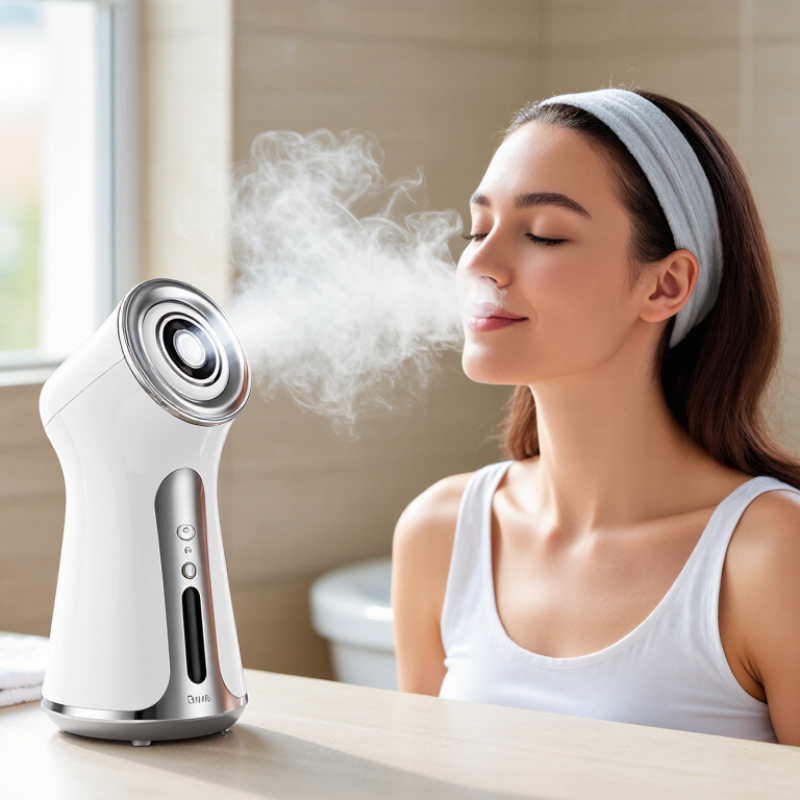
How to Use a Facial Steamer Safely Without Overuse?

Check Whether Facial Steaming Is Suitable for Your Skin

Before switching on a facial steamer, consider how your skin reacts to heat, not just whether it feels dry. Warm, moist air may soften surface oil, but it does not “open” pores or treat acne. Rosacea, eczema, very sensitive skin, visible broken capillaries, or an active flare can make heat a poor fit. It may increase redness, stinging, or discomfort. Check with a dermatologist if you are unsure, especially when symptoms are active. When in doubt, wait.

For a cautious trial, use clean water, keep your face comfortably away from the nozzle, and follow the device instructions. Start with only a few minutes; stop immediately if your skin feels hot, tight, itchy, or flushed. Skip steaming over cuts, sunburn, or irritated skin, and avoid adding essential oils that may trigger a reaction. Afterwards, pat dry and apply a plain moisturizer. Watch your skin for several hours, since irritation can appear later. It is tempting to treat a warm glow as proof that steaming suits you. It isn’t. If redness lasts or keeps returning, discontinue use and seek professional advice.

Less can be wiser.

Prepare the Steamer and Cleanse Your Face

How to Use a Facial Steamer Safely Without Overuse?

Prepare the Steamer and Cleanse Your Face

Wash your hands before touching the device or your face. Empty old water from the reservoir. Refill it with fresh water according to the manual, then place the steamer on a stable, dry surface. Keep the cord away from the sink. Do not add oils, perfume, or herbal liquids. These ingredients may irritate skin and damage the device. Test the mist on your wrist first. It should feel warm, never hot. A 2023 review in Clinical, Cosmetic and Investigational Dermatology found limited controlled evidence for facial steaming, so gentler use is more defensible.

Cleanse your face with lukewarm water and a mild, fragrance-free cleanser. Remove sunscreen, makeup, sweat, and visible oil without scrubbing. The American Academy of Dermatology Association recommends gentle cleansing and avoiding hot water because heat can worsen dryness and irritation. Pat your skin dry with a clean towel. Do not steam over broken skin, active eczema, sunburn, or painful inflammation. I once assumed stronger heat meant deeper cleansing. It did not. My cheeks only became tighter and redder.

Keep your face comfortably away from the nozzle. Start with three to five minutes, once weekly. Stop immediately if you feel burning, dizziness, itching, or persistent redness. A 2022 review in the International Journal of Dermatology links excessive heat exposure with impaired barrier function in sensitive skin. Clean and dry the reservoir after every use. Small details matter.

Set a Safe Distance and Limit Each Session

Keep your face outside the steamer’s direct plume. Follow the device instructions for distance; if they are unclear, start about 10 to 12 inches away, provided the manual allows it. You should feel gentle warmth, not sharp heat. Move farther back if your skin feels tight or uncomfortable. Never press close to the nozzle to “get more benefit.” That can irritate skin or cause a burn.

Short sessions are safer. Use the time limit in the instructions, and avoid extending it because the steam feels soothing. Many devices recommend only a few minutes, but limits vary. Set a timer before you begin. Stop immediately if your face stings, becomes intensely red, or you feel light-headed.

More steam is not better. I sometimes think a longer session must mean a deeper cleanse; that assumption deserves a second look. Steam does not replace gentle cleansing, and frequent exposure may worsen dryness or sensitivity. If you have a skin condition, check with a qualified clinician before using facial steam.

Use Steam Carefully and Stop at Signs of Irritation

A facial steamer should feel gently warm, never painfully hot. Read its instructions and keep your face at the recommended distance; leaning closer does not improve results. Start with clean skin and a short session, such as five minutes, unless the device guidance says otherwise. Keep your eyes closed if the mist feels uncomfortable.

Watch your skin as you go. Stop immediately if you notice stinging, burning, unusual redness, tightness, or eye irritation. No need to push through. Let your face cool naturally, then apply a simple, fragrance-free moisturizer. Skip strong exfoliating acids or retinoids right afterward if your skin feels tender. I would not treat temporary redness as proof that steaming is working; it may simply mean your skin is irritated.

Use steam sparingly, not as a daily ritual. If your skin is already sensitive, or you have a condition such as rosacea or eczema, check with a dermatologist before trying it. Clean and dry the device as directed, since leftover water can become unpleasant or unhygienic. It is easy to mistake “more” for “better.” With facial steaming, restraint is often the safer choice.

Choose a Moderate Schedule and Follow Up With Gentle Skin Care

A facial steamer should feel comfortably warm, never hot. There is no well-established clinical schedule for home steaming. A cautious starting point is five minutes, no more than once weekly, then reassess. Less is safer. In a 2010 National Rosacea Society survey of 1,066 people with rosacea, 51% reported hot baths as a trigger. The survey did not test facial steamers, so it signals caution, not a proven usage limit. Skip steaming during a flare, sunburn, or active skin irritation. Stop if your face burns or stays red.

After steaming, keep skin care simple. Let your face cool, rinse gently with lukewarm water if needed, then pat dry with a clean towel. Apply a fragrance-free moisturizer while skin is slightly damp. The American Academy of Dermatology recommends moisturizing after washing while skin is still damp. Avoid scrubs, exfoliating acids, and retinoids that evening; adding heat to potentially irritating products may be too much for sensitive skin. No elaborate ritual is needed. If tightness or flushing persists, pause and reconsider whether steaming suits your skin. A weekly schedule is only a cautious starting guess, not a rule.

How to Use a Facial Steamer Safely Without Overuse

Choose a moderate schedule and follow up with gentle skin care.

Example schedule: Two brief sessions per week, with rest days in between. This is an illustrative routine, not a universal medical recommendation. Stop if your skin feels hot, tight, or irritated. After steaming, rinse gently with lukewarm water and apply a mild, fragrance-free moisturizer; avoid harsh exfoliants if your skin feels sensitive.

FAQS

How far should I sit from a facial steamer?

Follow the device instructions. If they allow it, start about 10 to 12 inches away. Move back if your skin feels tight or uncomfortable.

How long should one steaming session last?

Follow the stated time limit. Five minutes is a cautious starting point when instructions allow. Set a timer. Less is safer.

How often can I use a facial steamer?

There is no well-established schedule for home steaming. Once weekly is a cautious starting guess, not a rule. Reassess how your skin responds.

What signs mean I should stop steaming?

Stop for stinging, burning, unusual redness, tightness, eye irritation, or light-headedness. Stop immediately. Do not push through discomfort.

Is redness after steaming a sign that it worked?

Not necessarily. Redness may mean irritation, not progress. I once assumed more heat meant better results; that deserves a second look.

What should I do after steaming?

Let your face cool, then gently rinse with lukewarm water if needed. Pat dry with a clean towel and apply fragrance-free moisturizer while skin is slightly damp.

Which skin care products should I avoid right afterward?

If your skin feels tender, skip scrubs, exfoliating acids, and retinoids that evening. Heat plus irritating products may be too much.

Should people with sensitive skin or skin conditions use facial steam?

Ask a qualified clinician or dermatologist first, especially with rosacea or eczema. Skip steaming during a flare, sunburn, or active irritation.

How should I care for the steamer after use?

Clean and dry it as directed. Leftover water can become unpleasant or unhygienic.

Conclusion

Facial steaming can soften the feel of skin and add a soothing step to a routine, but it is not suitable for everyone. Consider your skin’s sensitivity and any existing irritation before using a steamer. Start with a clean face and a properly prepared device, following its instructions. Keep a comfortable distance from the steam and limit each session rather than trying to make it more effective by staying longer.

Use steam gently, and stop if your skin feels painful, unusually hot, or irritated. For those wondering “why shouldnt you use facial steamer every day,” frequent steaming may leave skin feeling dry or sensitive, so a moderate schedule is a safer choice. Afterward, use gentle skin care and avoid harsh products if your face feels tender. Let your skin’s response guide how often you steam, and skip it whenever irritation appears.

Amelia

Amelia

Amelia is a seasoned marketing professional with a wealth of expertise in our company’s core offerings. With an unwavering passion for driving growth and innovation, she plays a pivotal role in shaping our marketing strategies and enhancing brand visibility. A key aspect of her responsibilities......