Choosing the right skincare products to use with ion introduction instruments is crucial for achieving optimal results. Many people overlook this vital step. These instruments help enhance product absorption, which can lead to improved skin health. However, using unsuitable products can negate the benefits.
When selecting skincare products, it is essential to consider the formulation. Look for products that contain small molecular weight ingredients. These can easily penetrate the skin when combined with ion introduction techniques. For example, hyaluronic acid is effective because it hydrates the skin deeply. However, some may question whether all acids are beneficial.
Another point to ponder is the compatibility of ingredients. Not every ingredient works well with ion introduction. Some active compounds can react negatively. Therefore, research what skincare products to use with ion introduction instrument to avoid these pitfalls. A skincare professional can provide guidance, ensuring you make informed choices. Being knowledgeable in this area enhances the effectiveness of your skincare routine.
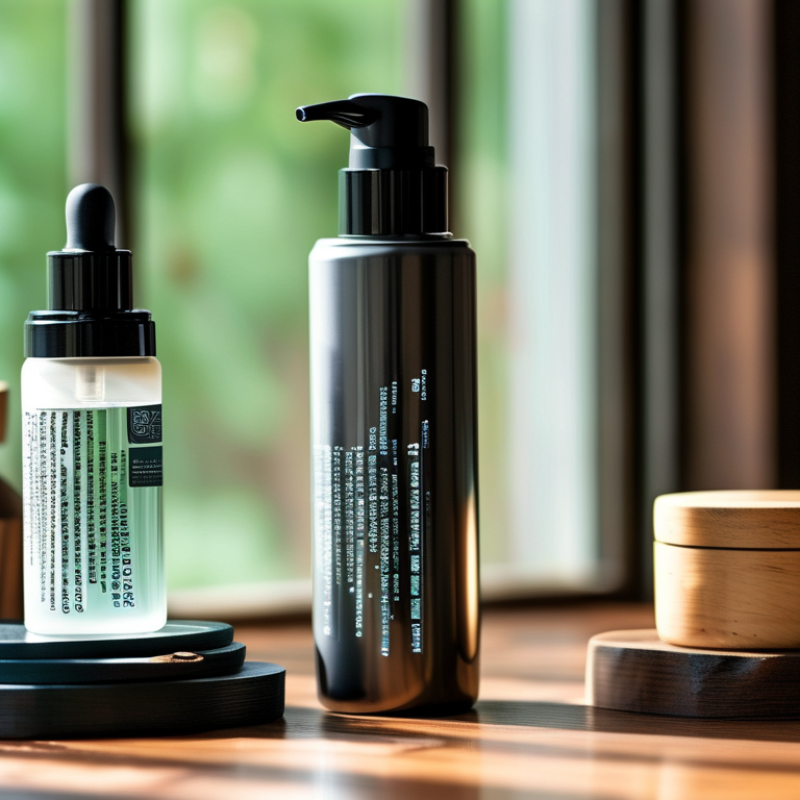
Ion introduction instruments have become popular in skincare treatments. These tools help enhance product absorption into the skin. They work by using electricity to create microcurrents that open up the skin’s pores. This process allows skincare ingredients to penetrate deeper, enhancing their effectiveness.
When selecting skincare products for these instruments, consider the ingredients carefully. Look for formulations that are lightweight and easily absorbed. Gel-based serums often work well with these devices. Herbal extracts and antioxidants can help nourish the skin while being compatible with ion introduction. Not every product is suitable. Some may react poorly to electrical currents or lose their efficacy when combined with other ingredients.
It's essential to conduct a patch test before using new products with these instruments. Not everyone has the same skin type or tolerance level. Often, what works for one individual may not work for another. Be aware of your skin's reaction to both the instrument and products used. With careful consideration, you can greatly enhance your skincare routine while ensuring a positive experience.
| Product Type | Key Ingredients | Skin Types | pH Level | Recommended Use |
|---|---|---|---|---|
| Cleansers | Salicylic Acid, Glycerin | Oily, Acne-Prone | 5.5 - 6.5 | Daily Morning & Evening |
| Toners | Hyaluronic Acid, Witch Hazel | Combination, Normal | 4.5 - 5.5 | Post-Cleansing |
| Serums | Vitamin C, Niacinamide | Dry, Dull | 5.0 - 6.0 | Daily After Toner |
| Moisturizers | Ceramides, Squalane | All Skin Types | 5.0 - 7.0 | Daily Morning & Evening |
| Sunscreens | Zinc Oxide, Titanium Dioxide | All Skin Types | 6.0 - 8.0 | Daily, Before Sun Exposure |
: They enhance product absorption into the skin using electricity to create microcurrents, opening pores.
Choose lightweight, easily absorbed products like gel-based serums. Avoid heavy oils and high alcohol content.
Skin types vary. A patch test helps identify potential reactions to the product or device used.
Aim for a pH close to 5.5. This level is optimal for absorption and reduces irritation.
No, some ingredients, like vitamin C and certain acids, can react negatively. Test combinations on small skin areas first.
Start with a clean, hydrated face. Hydrated skin absorbs up to 60% more ingredients effectively.
Properly preparing your skin ensures the ion energy can penetrate deeply, enhancing treatment effectiveness.
Apply products slowly and evenly after treatment to avoid overloading the skin. Timing matters, so don’t rush.
Yes, research shows that about 40% of users experience irritation due to incorrect product selection or methods.
Exploration of different methods and products can yield insights into what works best for your individual skin.
When choosing skincare products to use with ion introduction instruments, it is essential to first understand the technology behind these devices. Ion introduction instruments enhance the penetration of active ingredients into the skin, making it crucial to select products that align with your specific skin type and concerns. Identifying whether your skin is oily, dry, sensitive, or combination will guide you in choosing the right formulations that cater to your needs.
In addition, key ingredients such as hyaluronic acid, peptides, and antioxidants should be prioritized, as they synergize well with the technology. It is important to evaluate product compatibility, ensuring that they are suitable for use with ion introduction techniques. Lastly, best practices for application—such as cleansing the skin beforehand and following proper device instructions—are vital for achieving optimal results. By considering these factors, you can effectively determine what skincare products to use with ion introduction instruments for enhanced skincare benefits.

 Kelli Beauty