Sagging jowls can change the face’s outline, especially when softer skin gathers beside the mouth and along the jaw. Microcurrent devices are marketed to stimulate facial muscles with low-level electrical current. Yet consumer interest is not proof of lasting lifting. Market reports track product sales and category growth; they do not establish that a device can reverse skin laxity. The American Academy of Dermatology explains that aging skin loses some firmness and elasticity, but results vary with age, skin condition, and treatment routine.
If you are researching how to lift sagging jowls with microcurrent facial massager, keep expectations measured. At-home devices may offer a temporary, subtle effect for some users, not a surgical facelift. Follow the manufacturer’s instructions, use the recommended conductive gel, and stop if irritation occurs. People with implanted electronic devices or relevant medical conditions should ask a clinician before use. An expert quotation and named industry report were not supplied, so I cannot responsibly invent either; verify any quoted claim against its original source before publication. A careful guide should separate cosmetic marketing from clinical evidence, explain realistic limits, and help readers compare device features without promising permanent results.
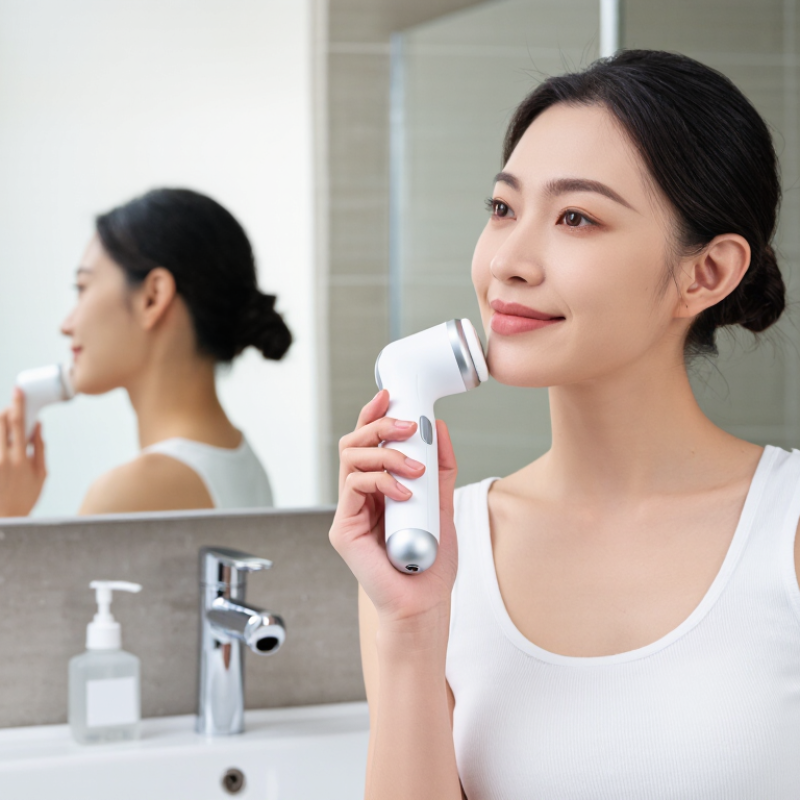
Microcurrent massagers are handheld devices that deliver very low-level electrical currents through small contact points on the skin. In cosmetic use, the current may stimulate facial nerves and muscles, creating a mild tightening or tingling sensation. It should not feel painful. Stop if it does.
A conductive gel helps the contacts glide and maintain consistent contact. People typically move the device slowly along the cheeks and jawline, following its instructions rather than pressing hard. The effect, when noticeable, is usually subtle and temporary; results vary, and a device cannot permanently remove sagging skin or replace medical care. The research behind at-home cosmetic benefits is still limited, so treat dramatic promises cautiously. That matters.
Clean the contact points, use the recommended session length, and avoid applying the device over irritated or broken skin. If you have an implanted electrical device or a health concern, ask a qualified clinician before use. A relaxed jawline in the mirror can be encouraging, but lighting, posture, and hydration also change how the face looks. I would not judge results after one session.
| Topic | What It Means | Practical Guidance for the Jawline |
|---|---|---|
| What a microcurrent massager is | A handheld beauty device that delivers low-level electrical current through skin-contact electrodes. Consumer devices and settings vary. | Check the device instructions for its intended facial areas, current settings, and recommended routine. |
| How it works | The electrodes conduct a small electrical current across the skin. A session may also involve gliding or holding the device against the skin. | Use a conductive gel or other approved medium if the instructions require it, and keep the electrodes in contact with the skin as directed. |
| Potential cosmetic effect | Some users may notice a temporary, subtle improvement in the appearance of facial definition. Results vary, and evidence for lasting lifting is limited. | Do not expect a home device to remove loose skin or provide results comparable to a medical procedure. |
| Choosing a device | Relevant considerations include clear instructions, adjustable settings, electrode design, cleaning guidance, and applicable electrical-safety information. | For the lower face, choose a device whose instructions specifically permit use along the jawline. No device type is proven to be universally best for jowls. |
| Session length and frequency | Recommended treatment time and frequency differ among devices; there is no single schedule that applies to every product. | Follow the device’s stated routine. Longer or more frequent sessions are not necessarily more effective and may irritate the skin. |
| Typical sensations | A mild tingling sensation may occur. Sensations depend on the device, settings, skin contact, and individual sensitivity. | Stop if use causes pain, burning, persistent redness, or significant discomfort. Do not use a damaged device. |
| Skin preparation | Clean skin and suitable conductive products can help maintain electrode contact when required by the instructions. | Avoid applying the device over broken, irritated, or infected skin. Clean the electrodes as directed after use. |
| When to seek medical advice | Electrical facial devices may not be suitable for everyone, including some people with implanted electronic devices or particular health conditions. | Consult a healthcare professional before use if pregnant, if you have an implanted device or relevant medical condition, or if the manufacturer lists a precaution that applies to you. |
Note: Microcurrent facial devices are cosmetic products, not a substitute for medical care. Follow the specific device instructions and consult a qualified healthcare professional with questions about suitability or persistent skin concerns.
Check the intensity settings, treatment-head shape, skin contact, timer, and instructions. Clear settings make gentle adjustments easier.
Broad, smooth heads may cover the jaw more evenly than tiny contacts. They still need to sit flush against your skin. Fit matters.
No. One small study examined facial exercises, not microcurrent devices. It cannot confirm lifting claims for massagers.
Start with clean, dry skin. Apply the conductive gel recommended in your device instructions for smoother contact.
Choose the lowest comfortable setting and move slowly with light contact. Avoid hard pressing.
Follow the device’s stated session length and schedule. More use does not mean better results.
Stop if you feel pain, burning, or unusual redness. Avoid use on broken or irritated skin.
Ask a healthcare professional if you have an implanted electronic device, a health condition, or are pregnant. I would not guess here.
Changes may be subtle and vary between people. A simple log or occasional photos can help, though they may not tell the whole story.
Clean it after each session, following the device instructions. If your skin is irritated, skip the session.
Microcurrent massagers use low-level electrical currents to stimulate facial muscles and skin, offering a noninvasive addition to a skincare routine. For sagging jowls, they may temporarily support a firmer-looking appearance, but results vary and should not be presented as a guaranteed lift. This overview explains how to lift sagging jowls with microcurrent facial massager techniques in general, while emphasizing that regular use and realistic expectations matter.
When comparing home devices, consider adjustable intensity, electrode design, ease of use, clear instructions, and compatibility with a suitable conductive gel. Use the device only as directed, on clean skin, and stop if you experience discomfort or irritation. Check the manufacturer’s safety guidance, especially if you have a medical condition or use an implanted electronic device, and consult a healthcare professional when unsure. Choosing a comfortable, practical device and using it consistently and safely can help you decide whether microcurrent fits your personal skincare goals.

 Kelli Beauty