5 Best Ages to Start Using Anti Aging Beauty Devices?

Time:2026-10-14 Author:Amelia
0%

Many people ask, “what is the best age to start using anti aging beauty devices?” The honest answer depends on your skin, goals, and the device itself. There is no universal birthday for beginning.

Board-certified dermatologist Dr. Doris Day has said, “The best anti-aging treatment is prevention.” Her point matters because healthy habits usually come before technology. Daily sunscreen, gentle cleansing, adequate sleep, and moisturizer remain essential. A device cannot fully repair years of unprotected sun exposure.

For many adults, the late twenties or early thirties can be a reasonable time to explore gentle devices. Fine lines may first appear around the eyes, especially after smiling or squinting. A cool metal roller, low-level light device, or mild microcurrent tool may support a consistent routine. Results are usually subtle. That is normal.

Some people may begin earlier for acne scars, uneven tone, or specific skin concerns. Others may not need a device until their forties. Skin sensitivity, medication use, pregnancy, implanted medical devices, and active conditions should influence the decision. Professional guidance is wise.

Not every glowing advertisement deserves trust. Some claims stretch beyond the evidence. Home devices are generally less powerful than clinical treatments, but they can still irritate skin when overused. I have found that consistency often matters more than intensity. A five-minute routine used carefully may outperform an expensive device left in a drawer.

This guide examines five practical ages to consider anti-aging beauty devices. It also explains what each age group may realistically expect. Your skin sets the timeline.
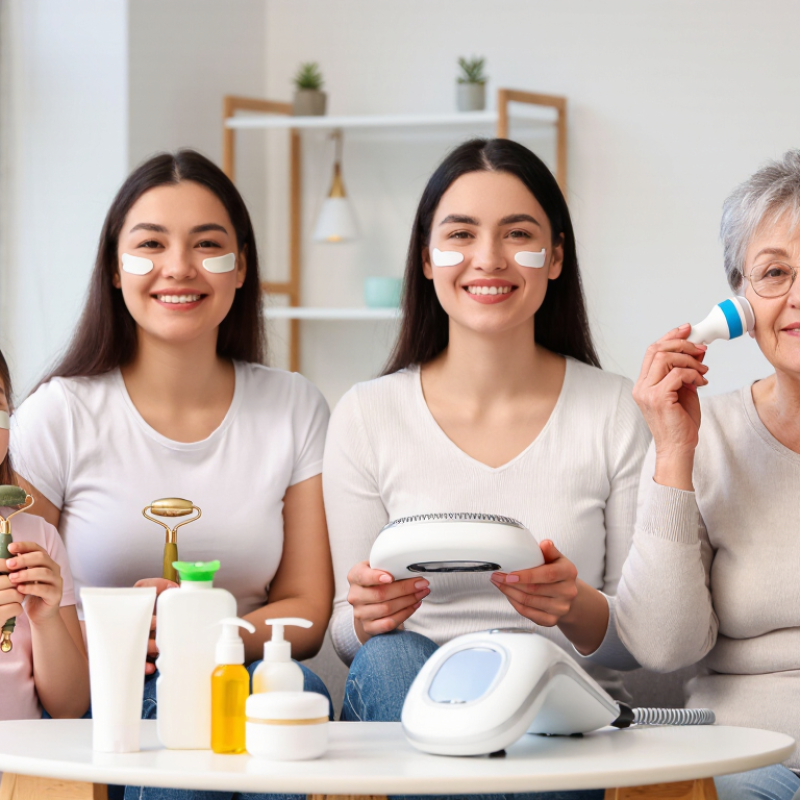
5 Best Ages to Start Using Anti Aging Beauty Devices?

Understanding When Anti-Aging Beauty Devices Become Useful

5 Best Ages to Start Using Anti-Aging Beauty Devices

Anti-aging beauty devices become useful when skin concerns appear, not when a birthday demands action. In the early 20s, gentle cleansing, sunscreen, and sleep usually matter more than devices. Some people may notice dullness or uneven texture around age 25. A low-intensity device could support a consistent routine, but results are often subtle.

Around 30, early fine lines may become visible near the eyes or forehead. Devices using light or gentle stimulation may fit some routines, especially when used as directed. At 35 to 40, collagen loss can become more noticeable. Professional guidance becomes more valuable, particularly for sensitive skin, pigmentation, or previous skin treatments. A dermatologist can check whether a device suits your skin condition. More power does not always mean better results.

Tips: Start slowly. Use one device at a time. Read the safety instructions carefully. Avoid use on irritated, broken, or recently treated skin. Take monthly photos in the same window light. This makes small changes easier to judge. Stop if burning, swelling, or persistent redness appears.

Around 45 and beyond, devices may support maintenance, but they cannot replace medical care or realistic expectations. I have found that consistency matters more than excitement. Still, home devices are not perfectly predictable. Skin reacts differently, and some advertised claims deserve careful questioning.

Starting Preventive Skincare Devices in Your Twenties

Starting preventive skincare devices in your twenties can be reasonable, but restraint matters. The goal is maintenance, not dramatic correction. A 2023 report from Grand View Research estimated the global home-use beauty devices market at more than 18 billion dollars, showing strong consumer interest. Popular options include low-level light devices, gentle cleansing tools, and microcurrent equipment.

Evidence varies widely. Low-level light therapy may support acne management and mild inflammation, yet home devices are usually less powerful than professional equipment. The American Academy of Dermatology recommends broad-spectrum SPF 30 or higher every day. That habit protects against ultraviolet damage more reliably than most gadgets. The Skin Cancer Foundation also reports that ultraviolet exposure contributes to up to 90 percent of visible premature skin aging.

Keep it simple. Use one device.

Start once or twice weekly, follow the instructions, and photograph your skin in consistent lighting. Stop if you notice persistent redness, burning, swelling, or unusual sensitivity. Avoid using devices over broken skin or active irritation. People with photosensitive conditions or medication-related light sensitivity should ask a qualified dermatologist first.

A mistake many beginners make is chasing instant results. I have found that routine, sleep, sunscreen, and gentle cleansing often matter more. Device research remains uneven, and marketing can sound more certain than the evidence. Your twenties are not a deadline. They are a time to observe, protect, and adjust carefully.

Choosing Gentle Anti-Aging Devices During Your Thirties

5 Best Ages to Start Using Anti-Aging Beauty Devices?

Choosing Gentle Anti-Aging Devices During Your Thirties

Your thirties can be a sensible time to explore gentle beauty devices. Skin may look slightly duller, and fine lines can appear after repeated sun exposure. Start with low-intensity options, such as LED light or gentle microcurrent tools. These devices should support a steady routine, not replace sunscreen, sleep, or moisturizer.

During this decade, consistency matters more than powerful settings. Use one device at a time, following its instructions carefully. Clean skin and clean device surfaces can reduce irritation. Avoid treating broken skin, active rashes, or areas that feel unusually sensitive. If you have a medical condition, use prescription products, or are pregnant, ask a qualified healthcare professional first. Results vary. They are rarely dramatic overnight.

Tips

Begin once or twice weekly. Watch for redness, burning, or swelling. Stop if discomfort continues. Take monthly photos in the same bathroom light. This makes small changes easier to judge. I used to assume stronger treatment meant faster improvement. That assumption can be wrong. A gentler routine may be easier to maintain, especially during busy workweeks. Do not chase every new device. Your skin can become the experiment.

Using Targeted Devices for Skin Changes in Your Forties

In your forties, skin changes often become easier to notice: softer jawline definition, fine lines around the eyes, uneven tone, and increased dryness. This can be a practical age to introduce targeted beauty devices, but not because every face needs stronger treatment. Skin history matters more than birthdays.

LED devices may support calmer-looking skin and a brighter appearance with consistent use. Microcurrent tools can create a temporary lifted look, while radiofrequency devices may help improve the appearance of mild laxity. Results vary, and home devices usually work more gradually than professional treatments. I would choose one concern first, such as dullness or facial firmness, rather than using several tools together.

Use clean, dry skin unless the instructions require a conductive gel. Follow the stated time and frequency. More sessions are not automatically better. Protect your progress with daily broad-spectrum sunscreen and a gentle moisturizer. Avoid devices over irritated, broken, or recently treated skin. People with implanted electronic devices, certain medical conditions, or prescription treatments should ask a qualified healthcare professional before use.

Some users notice a glow quickly. Structural changes take longer. I would take monthly photos in the same window light, because memory exaggerates small differences. Be honest about expectations. Device routines can be helpful, but they cannot erase normal aging, and occasional missed sessions may reveal whether the routine is truly sustainable.

Adapting Beauty Device Routines After Age Fifty

5 Best Ages to Start Using Anti Aging Beauty Devices?
Adapting Beauty Device Routines After Age Fifty

After fifty, skin often feels drier, thinner, and slower to recover. Hormonal changes can also reduce firmness and increase sensitivity. Beauty devices may support a careful routine, but they cannot replace sunscreen, sleep, or professional care. Start with low intensity and use one device at a time. This makes irritation easier to identify. Red-light tools, gentle cleansing devices, and microcurrent tools may suit some mature skin. Evidence differs by technology, so realistic expectations matter. Results usually appear gradually, not after one evening.

Tips: Clean your face and the device before use. Follow the exact timing instructions. Avoid broken skin, active rashes, and freshly treated areas. Apply a simple moisturizer afterward. Keep sunscreen in your morning routine. If you take photosensitizing medication or have a medical condition, ask a dermatologist first.

I prefer two or three sessions weekly rather than daily stimulation. A quiet bathroom mirror can reveal redness that feels minor at first. Stop if burning, swelling, or persistent tenderness develops. More power is not always better, although I still catch myself assuming it is. Mature skin may need recovery days between sessions. A dermatologist can review your routine, especially if you have rosacea, pigmentation concerns, or recent procedures. Track comfort, dryness, and texture for several weeks. Beauty devices should feel controlled, not punishing.

5 Key Ages to Reassess an Anti-Aging Beauty Device Routine

This chart uses an illustrative collagen-retention model based on the commonly cited average decline of approximately 1% per year after age 20. The figures are rounded estimates, not individual clinical measurements. After age 50, prioritize lower intensity, shorter sessions, hydration, and adequate recovery because skin may become thinner, drier, and more sensitive.

FAQS

When should someone start using anti-aging beauty devices?

Start when specific concerns appear, not because of a birthday. In your early twenties, skincare basics usually matter more. Your twenties are not a deadline.

Are beauty devices useful during the twenties?

They may support maintenance for dullness or uneven texture around age 25. Results are often subtle. Gentle care remains important.

What should matter more than a device?

Daily broad-spectrum SPF 30 or higher helps protect against ultraviolet damage. Sleep, gentle cleansing, and consistency also matter. Gadgets cannot replace them.

Which devices may suit younger skin?

Low-intensity light, gentle cleansing, or mild stimulation devices may fit some routines. Use only one device at a time. Keep it simple.

How often should beginners use a beauty device?

Start once or twice weekly. Follow the instructions carefully. Increase use only if your skin remains comfortable.

When might a device become more relevant?

Around age 30, fine lines may appear near the eyes or forehead. Between 35 and 40, collagen loss may look more noticeable.

When should someone seek professional guidance?

Ask a qualified dermatologist about sensitive skin, pigmentation, previous treatments, or light sensitivity. More power does not always mean better results.

When should device use stop?

Stop if burning, swelling, persistent redness, or unusual sensitivity appears. Avoid broken, irritated, or recently treated skin. Do not push through discomfort.

How can users judge whether a device helps?

Take monthly photos beside the same window, using similar lighting. Small changes become easier to compare. Photos can still mislead sometimes.

Can home devices replace medical care?

No. They may support maintenance, but they cannot replace professional treatment. Skin reactions vary, and advertising may sound more certain than evidence.

Conclusion

The best time to consider anti-aging beauty devices depends on your skin’s needs, lifestyle, and long-term goals. So, what is the best age to start using anti aging beauty devices? For many people, the twenties are a suitable time to begin with gentle, preventive routines that support cleansing, hydration, and overall skin maintenance. During the thirties, devices may help address early concerns such as dullness, uneven texture, or fine lines, while still emphasizing moderation and consistent skincare habits.

In the forties, more targeted devices can be introduced to support changing skin concerns, including reduced firmness and visible wrinkles. After age fifty, routines may need to become more adaptable, focusing on comfort, hydration, and carefully selected treatments that suit mature skin. At every age, users should follow safety instructions, avoid excessive use, and choose methods appropriate for their individual skin condition. Consistency, realistic expectations, and professional guidance when needed are more important than starting at a specific age.

Amelia

Amelia

Amelia is a seasoned marketing professional with a wealth of expertise in our company’s core offerings. With an unwavering passion for driving growth and innovation, she plays a pivotal role in shaping our marketing strategies and enhancing brand visibility. A key aspect of her responsibilities......