2026 Best High Frequency Facial Wand Why Does It Smell Like Ozone?

Time:2026-08-20 Author:Ethan
0%

High-frequency facial wands have gained popularity in skincare routines, but a common question arises: "why does high frequency facial wand smell like ozone?" Dr. Emily Moore, a renowned dermatologist, explains, "The ozone smell is a byproduct of the electrical energy used during treatment." This phenomenon can be concerning for many users, especially those new to the technology.

When the wand emits high-frequency vibrations, it generates ozone gas. This gas can create a distinct smell reminiscent of chlorine or burnt metal. While this is a normal occurrence, it is essential to understand the implications. Some individuals may find the scent unsettling, but it does not indicate a malfunction. Ozone is a natural byproduct, albeit one that may require some getting used to.

Additionally, the smell often varies based on the device’s make and the intensity of the treatment. High-quality wands tend to produce less ozone odor. For users sensitive to smells, awareness of this aspect can enhance their experience. Overall, understanding "why does high frequency facial wand smell like ozone" can help demystify the process and improve comfort during sessions.
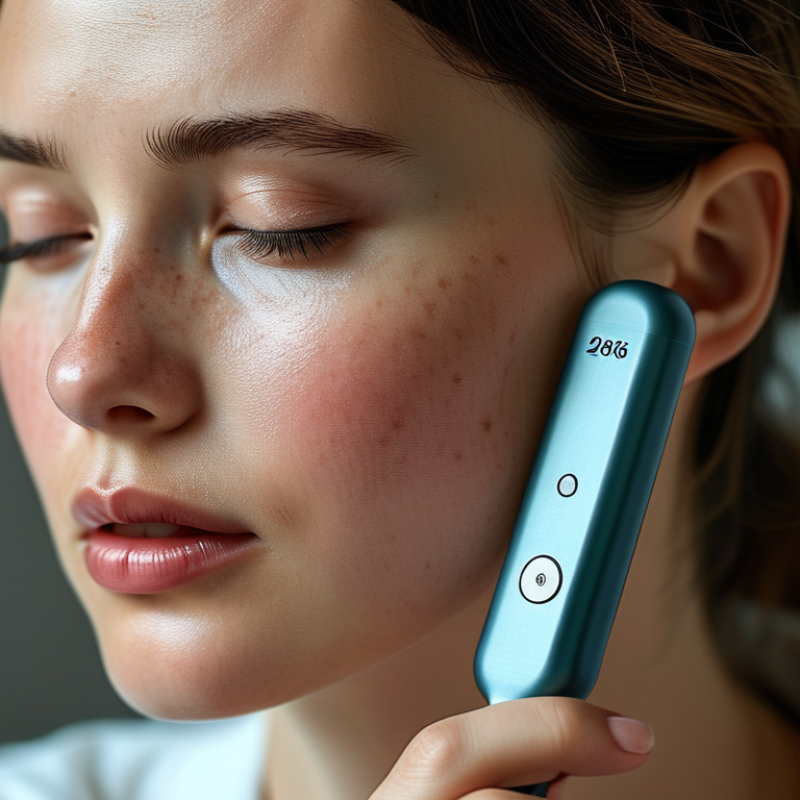
2026 Best High Frequency Facial Wand Why Does It Smell Like Ozone?

Understanding High Frequency Facial Wands: An Overview

High frequency facial wands have gained popularity for their skincare benefits. These devices use alternating current to produce a high-frequency electrical current. This current can help treat acne, reduce inflammation, and promote collagen production. According to a report by the American Academy of Dermatology, 85% of people will experience acne at some point in their lives. High frequency treatments can provide a non-invasive option for managing this common skin issue.

One interesting aspect of high frequency devices is the ozone smell produced during use. This scent results from the ionization of oxygen in the air. While some users find this pleasant, others may find it concerning. Ozone can be irritating in high concentrations, but the levels produced by facial wands are generally considered safe. It’s important to use these devices in well-ventilated areas to minimize any potential discomfort.

Tips for using high frequency wands effectively often include starting with clean skin. Ensure to move the wand in a consistent, smooth motion. This helps maximize the treatment's benefits while minimizing the chance of irritation. Keep in mind that personal experiences may vary. Not everyone reacts the same way to high frequency treatments. Monitoring your skin's response is key, and seeking advice from a professional can be beneficial.

Understanding High Frequency Facial Wands: Ozone Emission Levels

This chart illustrates the ozone emission levels in parts per million (PPM) across different frequency types of high frequency facial wands. As the frequency increases, ozone emission levels also tend to increase, highlighting the importance of understanding the effects of higher frequencies on ozone production.

The Science Behind Ozone Production in High Frequency Devices

High-frequency facial wands are popular in skincare routines, noted for their benefits. However, many users report smelling ozone during use. This phenomenon is related to the science of ozone production in these devices. Ozone (O₃) is a highly reactive molecule formed when oxygen molecules (O₂) are split by high-frequency electrical currents.

According to the National Center for Biotechnology Information, ozone can aid in skin healing. While it has antibacterial properties, excessive exposure may cause irritation. Understanding this balance is crucial. It is essential to use high-frequency devices correctly to enjoy their benefits without adverse effects.

Tips: Start with shorter sessions. Observe how your skin reacts to the treatment. Gradually increase duration as needed. Always ensure proper sanitation of your device to maintain its efficacy.

While ozone can assist in treating issues like acne, users should remain aware of their skin’s sensitivity. The ideal ozone levels should be low to avoid irritation. Research suggests that when used properly, ozone can enhance collagen production, leading to healthier skin over time.

Tips: Hydrate your skin before treatment. It can help mitigate any dryness caused by the ozone exposure. Listen to your body. If irritation occurs, it may be time to reassess your regime.

Potential Health Implications of Ozone Smell During Treatments

The ozone smell associated with high-frequency facial wands can raise some concerns. Ozone (O3) is a form of oxygen that can be beneficial at high altitudes but may pose risks at ground level. During treatment, the device generates ozone as a byproduct. It’s crucial to understand how this affects skin health.

Repeated exposure to ozone can irritate the respiratory system. For some, it may cause headaches or discomfort. While these effects are usually minor, they remind us to prioritize safety. Users must ensure proper ventilation during treatments. Monitoring personal reactions is equally important.

Discussions about ozone often highlight its dual nature. It has therapeutic promises but also potential drawbacks. Users should weigh the benefits against the risks. Monitoring your body's response is key. Using high-frequency wands requires thoughtful consideration of both effectiveness and safety.

User Experience: What to Expect from High Frequency Facials

High-frequency facials are gaining momentum in the skincare industry. According to a recent report by Grand View Research, the global market for facial devices is expected to reach over $4 billion by 2026. Users often report improved skin texture, reduced acne scars, and enhanced overall skin appearance. However, experiences can vary widely.

During a high-frequency facial, a device generates a small electrical current. This current can produce a distinct ozone smell. Some users find this scent comforting; others might feel uneasy. The science behind it lies in ozone's antimicrobial properties. Nonetheless, it raises questions about sensitivity and skin conditions. Not everyone responds positively. Some may experience redness or irritation post-treatment. Understanding your skin type is crucial before embarking on this journey.

User reviews often emphasize the importance of proper technique. A poorly executed treatment may lead to undesirable effects. Consulting with a qualified esthetician can significantly enhance results. Data from the American Academy of Dermatology highlights the importance of professional guidance in skincare treatments. Therefore, do thorough research and engage in discussions before opting for high-frequency facials. Always prioritize communication with professionals to tailor the experience to your needs.

2026 Best High Frequency Facial Wand - User Experience

Feature Description User Rating (out of 5)
Ozone Smell Users report a distinct ozone smell during treatment, which is normal and indicates activation of the device. 4.5
Skin Sensation Users describe a tingling sensation during the session, which is generally pleasant and indicates effective circulation. 4.7
Treatment Types Facial treatments with different electrode types addressing acne, aging, and skin rejuvenation. 4.3
Ease of Use Most users find the high frequency wand easy to use at home, with clear instructions provided. 4.6
Overall Satisfaction A majority of users report positive results including clearer skin and reduced breakouts. 4.8

Maintenance and Care for High Frequency Facial Wands

High frequency facial wands have become popular tools in skincare routines. These devices use electrical currents to help rejuvenate the skin. However, they require proper maintenance for optimal performance. Regularly cleaning the wand is essential. After each use, gently wipe the glass electrode with a soft cloth. This prevents buildup and ensures its effectiveness.

Storage is equally important. Keep the wand in a cool, dry place to protect it from damage. Avoid exposing it to extreme temperatures or moisture, as this can affect the device's longevity. It’s important to frequently check the cables for any signs of wear. Frayed wires can lead to malfunctioning and may pose safety risks.

Occasionally, users may notice an ozone smell during use. This is normal and occurs due to the electrical discharge. However, if the smell becomes overwhelming, it might indicate an issue. User awareness is vital here. Reflecting on your techniques and equipment care can improve your overall experience. Proper maintenance not only enhances beauty results but also prolongs the life of the wand.

FAQS

: What are high frequency facial wands?

: They are skincare devices that use high-frequency electrical currents to treat various skin issues.

How can high frequency treatments benefit the skin?

They can help reduce acne, lessen inflammation, and promote collagen production effectively.

Why do high frequency wands produce an ozone smell?

The ozone smell arises from the ionization of oxygen during treatment, which can be pleasant or concerning.

Are the levels of ozone produced by high frequency wands safe?

Generally, yes. However, it’s advisable to use them in well-ventilated areas to avoid discomfort.

What should users do before using a high frequency wand?

Start with clean skin and move the wand smoothly to enhance effectiveness and minimize irritation.

Can everyone expect the same results from high frequency facials?

No, individual experiences may vary widely. Some may feel redness or irritation after the treatment.

How important is professional guidance for high frequency treatments?

Very important. Professional advice can improve the treatment outcome and tailor it to your skin type.

What are the potential risks of ozone exposure during treatments?

Ozone may irritate the respiratory system; monitoring your own response is crucial for safety.

How can users monitor their skin's reaction?

Pay attention to any redness, irritation, or discomfort post-treatment, and adjust usage accordingly.

What should one consider when deciding on high frequency facials?

Weigh the treatment's effectiveness against potential risks and ensure proper technique throughout.

Conclusion

High frequency facial wands are popular in skincare treatments, known for their ability to enhance skin appearance. However, many users often wonder, "why does high frequency facial wand smell like ozone?" The scent is produced due to the device's electrical discharge, which generates ozone during the treatment process. Understanding the science behind this ozone production can help users feel more comfortable with their experiences.

While the ozone smell can raise concerns, research indicates that it is generally safe in the context of high frequency treatments. Nevertheless, potential health implications must be considered, and users should expect to feel a mild tingling sensation during their sessions. To ensure optimal performance and longevity of these devices, proper maintenance and care are essential. Overall, high frequency facial wands can be a beneficial addition to skincare routines when used responsibly.

Ethan

Ethan

Ethan is a seasoned marketing professional with a deep expertise in our company's innovative product line. With a passion for sharing knowledge and insights, he takes the lead in regularly updating our corporate blog, where he explores industry trends, product features, and effective marketing......